
When buyers need to turn plastic sheet into finished parts — tanks, hoppers, wear liners, machine guards — they turn to plastic fabrication. High-density polyethylene is one of the most practical materials for this work. It is chemical-resistant, lightweight, impact-tough, and responds well to every major fabrication process. This guide covers the full HDPE fabrication workflow: what it is, how each method works, how to choose between materials, and what to look for in a custom fabrication partner.
What Is HDPE Fabrication?
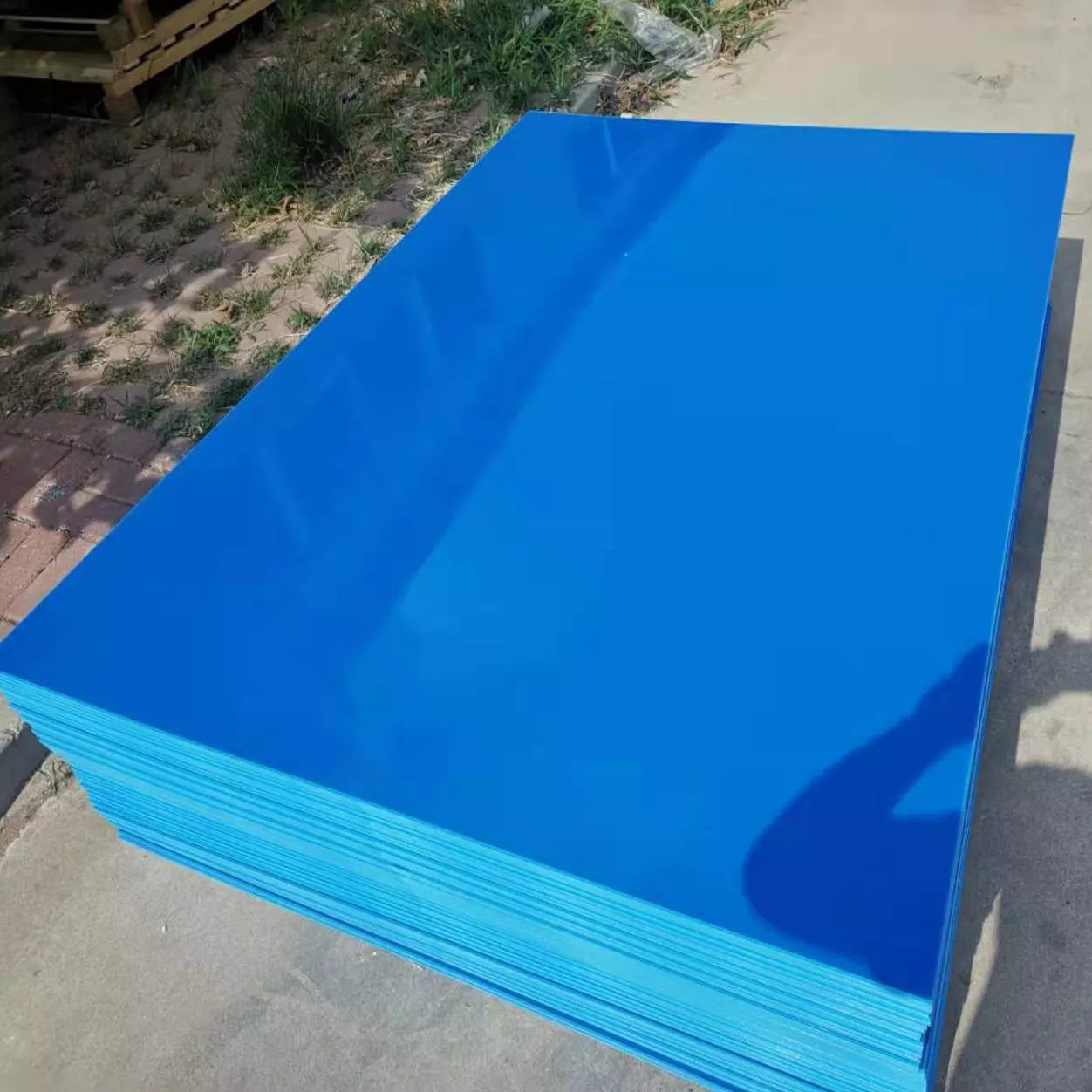
HDPE fabrication is the process of transforming high-density polyethylene sheet or plate into finished, functional parts using industrial methods such as cutting, welding, CNC machining, thermoforming, and bending.
The starting point is almost always flat stock — an HDPE sheet for thinner gauges or an HDPE plate for heavier structural applications. From that flat stock, fabricators remove material, join pieces together, or reshape the profile to match a design drawing or engineering specification.
Because HDPE is semi-crystalline and relatively soft compared to metals, it responds cleanly to most processes. Tolerances of ±0.5 mm or tighter are achievable with modern CNC equipment. Surface finishes are predictable, and the material produces minimal tool wear.
HDPE Fabrication Methods
Welding
HDPE welding uses heat to fuse two pieces of HDPE without adhesives. Three techniques cover most industrial needs:
Extrusion welding, a welding gun melts a rod of HDPE filler into a prepared groove; the most common method for tanks and large assemblies.
Hot-air welding, a hand or automatic gun directs hot air while a filler rod is pressed into the joint; good for repairs and complex shapes.
Butt-fusion welding, two pipe or sheet faces are heated simultaneously on a flat plate then pressed together; ideal for straight, consistent joints.
All three methods yield joints with strength close to that of the parent sheet, making welded HDPE assemblies reliable for fluid containment and structural use.
Cutting
Sheet-to-size cutting is the first step in almost every job. A panel saw or band saw handles straight cuts cleanly. For complex profiles, CNC cutting HDPE offers tight repeatable tolerances and is well-suited for production runs. Because HDPE has low thermal conductivity, saw blades and router bits stay cooler than when cutting metals — no coolant is usually required.
Machining
Machining HDPE covers milling, turning, drilling, and tapping. HDPE machines cleanly with standard carbide tooling. Key considerations are sharp tools, moderate feed rates, and adequate chip clearance to prevent heat buildup. The result is burr-free edges and accurate dimensions, even on thin walls. For detailed profiles, milling HDPE plates is the preferred route.
Thermoforming
In thermoforming, HDPE sheet is heated until pliable — typically 150–170 °C — then draped or pressed over a mold. After cooling, it holds the formed shape permanently. This process suits shallow trays, covers, and contoured liners. HDPE thermoforms adequately, though it requires higher temperatures and longer dwell times than PP.
Bending & Forming
Line bending uses a strip heater to soften a narrow band of HDPE, allowing a clean, controlled fold without molds. HDPE forming this way is fast and cost-effective for simple brackets, guards, and enclosures. Cold bending with a press brake is also possible for thinner gauges.
Custom HDPE Fabrication Services
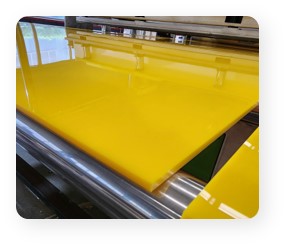
Custom fabrication goes beyond cutting to size. A capable plastic fabrication company will accept design drawings or CAD files and manage the full process: material selection, cutting, welding or machining, quality inspection, and delivery.
Common custom HDPE fabrication outputs include:
Chemical tanks and sumps welded from HDPE sheet
Hopper liners and chute liners machined to tolerance
Wear strips and slide plates cut and drilled to drawing
Enclosures and covers formed and welded
Working with an established custom plastic fabrication supplier reduces lead time and quality risk. Zhihong Plastics supplies HDPE sheet and plate in standard and custom sizes and can coordinate fabrication from raw material through finished part.
HDPE vs PP Fabrication: Choosing Your Material
HDPE and polypropylene (PP) are the two most common materials in plastic fabrication. They share similar density and general chemical resistance, but their fabrication behavior differs enough to influence material choice.
| Property | HDPE | PP | UHMWPE (reference) |
|---|---|---|---|
| Weldability | Excellent | Moderate | Poor |
| Machinability | Excellent | Moderate (softens) | Excellent |
| Thermoformability | Moderate | Excellent | Poor |
Choose HDPE when the design requires welded joints, extensive machining, or operating temperatures below 80 °C. Choose PP when thermoforming is the primary process or when higher heat resistance (up to 100 °C continuous) is needed.
How to Choose an HDPE Fabrication Partner
Not every plastic fabrication company offers the same capabilities. When evaluating a supplier, check:
Process range, Can they weld, machine, and form in-house, or will they subcontract?
Tolerance documentation, Do they provide inspection reports with finished parts?
Sheet inventory, Do they hold the grades and thicknesses your design requires?
Certifications, ISO 9001 and material traceability matter for food, marine, or industrial applications.
A supplier who stocks raw material and runs fabrication under one roof shortens lead times and reduces the risk of material substitution.
FAQs
1. What is HDPE fabrication?
HDPE fabrication is the process of cutting, welding, machining, thermoforming and bending high-density polyethylene sheet into finished parts such as tanks, hoppers, wear strips and machine guards.
2. Can HDPE be welded?
Yes. HDPE welds well using extrusion, hot-air or butt-fusion welding, producing joints with strength close to the parent sheet.
3. Is HDPE easy to machine?
Yes. HDPE machines cleanly with standard woodworking or CNC tools at the right feeds and speeds, with minimal burr and no coolant required.
4. What is the difference between HDPE and PP fabrication?
HDPE welds and machines more easily, while PP thermoforms better and offers higher temperature resistance. Choose HDPE for weldable parts, PP for formed or higher-heat parts.
5. How much does custom HDPE fabrication cost?
Cost depends on sheet grade, thickness, part complexity and quantity. Most custom HDPE fabrication is quoted per drawing after a design review.