
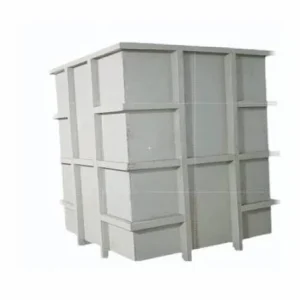
High-Performance Plastic Sheets for Electroplating Tanks
Stress-relieved, 100% virgin PP and PPH sheets engineered for superior weldability, chemical resistance, and long-term structural integrity in aggressive surface treatment environments.
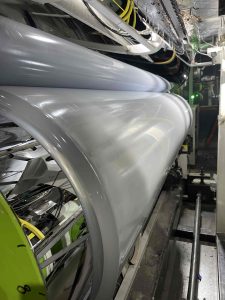
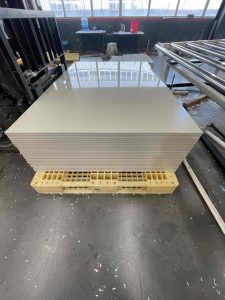
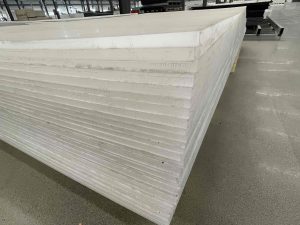
Why Top Equipment Fabricators Choose Our Sheets
In the electroplating and surface treatment industry, tank failure is not an option. Chemical leaks caused by poor material quality or weak weld seams can lead to catastrophic downtime and safety hazards. We manufacture our plastic sheets specifically to meet the strict demands of custom tank fabrication.
- 100% Virgin Resin for Flawless Welding: No recycled impurities. Our sheets guarantee consistent melt flow rates (MFR), ensuring extremely high weld seam strength when using extrusion welders or hot gas welding.
- Stress-Relieved for CNC Machining: Manufactured using advanced extrusion and cooling technologies to eliminate internal stress. Our sheets stay perfectly flat during and after CNC routing—no warping, bowing, or cracking.
- Exceptional Chemical Inertness: Highly resistant to concentrated acids (Sulfuric, Hydrochloric, Nitric), aggressive alkalis, and heavy metal salt solutions commonly used in electroplating baths.
Recommended Materials for Plating & Chemical Tanks
Selecting the right substrate depends on the operating temperature and chemical concentration of your plating bath. Below is a quick selection guide based on our material properties.
| Material | Max Operating Temp | Key Characteristics | Best Applications |
|---|---|---|---|
|
PPH (Polypropylene Homopolymer)
|
90°C – 100°C | Highest rigidity, superior high-temperature creep resistance, high tensile strength. | Chrome plating, hot acid baths, heavy-duty industrial tanks, heating stations. |
| PP-C (Polypropylene Copolymer) | 80°C | Excellent impact strength, better low-temperature performance, highly flexible. | General anodizing, rinsing tanks, standard electroplating, indoor storage. |
| HDPE (High-Density Polyethylene) | 60°C – 80°C | Extreme chemical resistance, outstanding impact strength even at sub-zero temperatures. | Cold chemical baths, wastewater treatment, large outdoor storage tanks. * For outdoor tanks requiring extreme environmental stress cracking resistance (ESCR), consider our PE100 Grade HDPE Sheets. |
Engineering Reference: Standard Tank Wall Thickness Guide
For unpressurized, rectangular thermoplastic tanks operating at standard room temperatures (approx. 20°C). Note: Higher temperatures will require increased thickness or material upgrades (e.g., to PPH or Fiber-Reinforced Polypropylene for enhanced structural rigidity).
- Tank Height up to 0.5m: Recommended Thickness 10mm – 12mm
- Tank Height 0.5m to 1.0m: Recommended Thickness 12mm – 15mm
- Tank Height 1.0m to 1.5m: Recommended Thickness 15mm – 20mm
- Tank Height > 1.5m: Recommended Thickness 20mm – 30mm (*External steel reinforcement girth bands are strictly required to prevent wall deflection).
* Disclaimer: This guide is based on simplified industrial practices and does not replace professional structural calculations. Please refer to DVS 2205 standards for precise tank design.
Available Specifications & Dimensions
We offer flexible sizing to minimize your scrap rate and optimize material yield during tank construction.
- Thickness Range: 3mm to 30mm (Custom thickness up to 50mm available for heavy load-bearing tank bases and flanges).
- Standard Sheet Sizes:
- 1000mm x 2000mm
- 1220mm x 2440mm (4′ x 8′)
- 1500mm x 3000mm (Highly popular for seamless large tank walls)
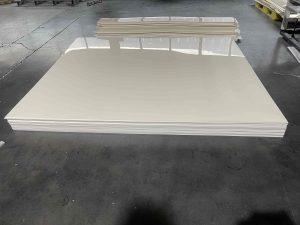
- Colors: Natural (White/Translucent), Grey (Standard for industrial tanks), Beige, or Custom colors upon request.
- Surface Finish: Smooth/Glossy on both sides for easy cleaning, residue prevention, and optimal welding surface preparation.
FAQs on Plastic Tank Fabrication
1. What is the difference between standard PP and PPH for electroplating tanks?
While both offer excellent chemical resistance, PPH (Polypropylene Homopolymer) has a higher crystalline structure. This gives it greater tensile strength, better long-term creep resistance, and a higher temperature tolerance (up to 100°C) compared to standard PP-C (Copolymer), making PPH the absolute industry standard for heated electroplating baths.
2. How do I calculate the required sheet thickness for my tank?
Tank wall thickness depends heavily on fluid density, hydrostatic pressure (tank height), and operating temperature. We strongly recommend following the German DVS 2205 guidelines for thermoplastic tank design. If you need material data for your calculations, our technical team can provide full Material Data Sheets (MDS).
3. Can your PP sheets be easily welded?
Yes. Because we use strictly 100% virgin resin without recycled additives, our sheets provide optimal melt flow characteristics for butt welding, hot gas welding, and extrusion welding. This ensures zero porosity in the weld seams, providing leak-proof joints and maximum structural integrity.
4. Which plastic sheet is best for chrome plating versus nickel plating tanks?
For heated chrome plating baths operating up to 100°C, PPH (Polypropylene Homopolymer) sheet is the industry standard thanks to its superior high-temperature creep resistance. For room-temperature nickel, copper, and zinc plating or rinsing tanks, PP-C copolymer sheet delivers the best balance of chemical resistance, impact strength, and cost.
5. Do you supply cut-to-size and custom-thickness sheets for electroplating tanks?
Yes. We precision-cut PP, PPH, and HDPE sheets to your exact panel dimensions and supply custom thicknesses from 3 mm up to 50 mm for tank walls, bases, and flanges, helping you minimize scrap and weld seams during tank fabrication.
