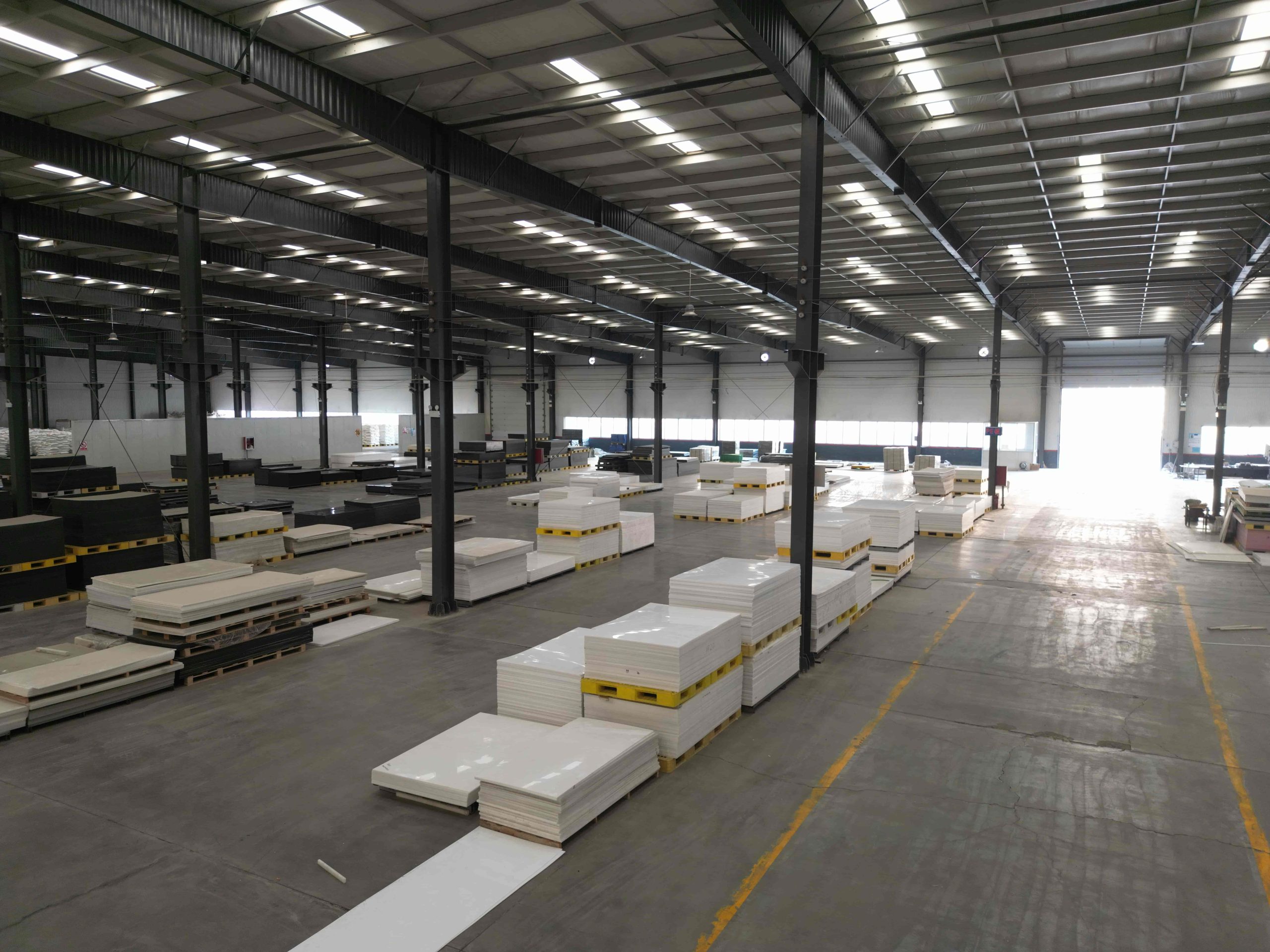
Properties of PP Engineering Board
-
Physical Properties
Small density: small density, which makes it in some of the weight requirements of the application scenarios have an advantage, such as in aerospace or automotive parts of the lightweight design may be considered, but in the actual application of PP engineering plate, more use of its small density brought about by the ease of handling, easy to process molding and other characteristics. For example, in the production of some large-scale chemical equipment shell, lighter PP engineering board for easy installation and transportation.
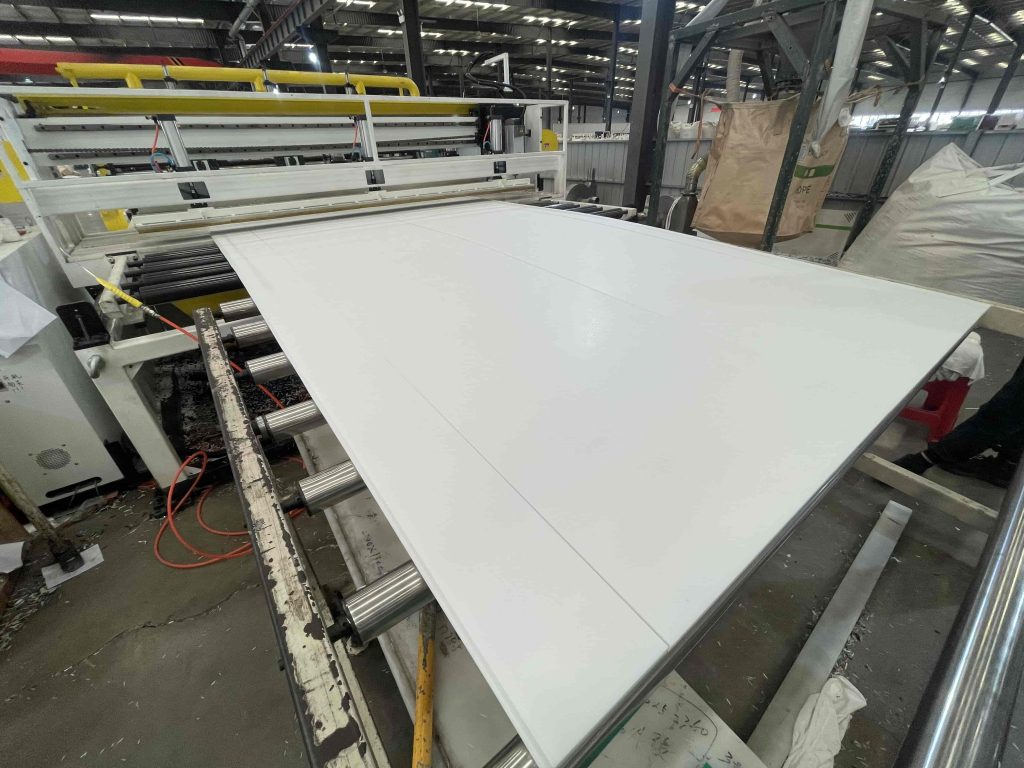
Lightweight and uniform thickness, smooth and flat surface: this characteristic makes PP engineering board in the appearance of the higher requirements of the place of use can meet the demand, such as in some decorative panels or electronic equipment shell.
Good heat resistance: it can maintain stable performance in a certain temperature range, the practical temperature can reach 100 degrees, which makes it can be used in some environments that need to withstand a certain amount of heat, such as hot water pipeline insulation or some close to the heat source of the equipment shell.
High mechanical strength: good strength, can withstand certain external forces without deformation or damage, in the need to withstand pressure, tension and other forces can be used on the structural components, such as as a punch press pads.
Shrinkage characteristics: PP shrinkage is generally 1.8 – 2.5%, and the direction of shrinkage uniformity is much better than some materials, adding 30% of the glass additives can make the shrinkage rate down to 0.7%. This kind of shrinkage characteristics in some precision engineering plastics products need special consideration when processing.
-
Chemical Properties
Excellent chemical stability: inert to most acids, alkalis, salts, oxidizers, with superior chemical resistance, can resist the erosion of a variety of chemicals, so it is widely used in acid and alkali resistant equipment, electroplating equipment, wastewater and exhaust equipment, etc., and is very commonly used in chemical, electroplating, sewage treatment and other industries.
Resistance to hygroscopicity and solubility: Both homopolymer-type and copolymer-type PP materials have excellent resistance to hygroscopicity, acid and alkali corrosion, and solubility, although it has no resistance to aromatic hydrocarbon (e.g., benzene) solvents, chlorinated hydrocarbon (carbon tetrachloride) solvents, and so on.
-
Other Characteristics
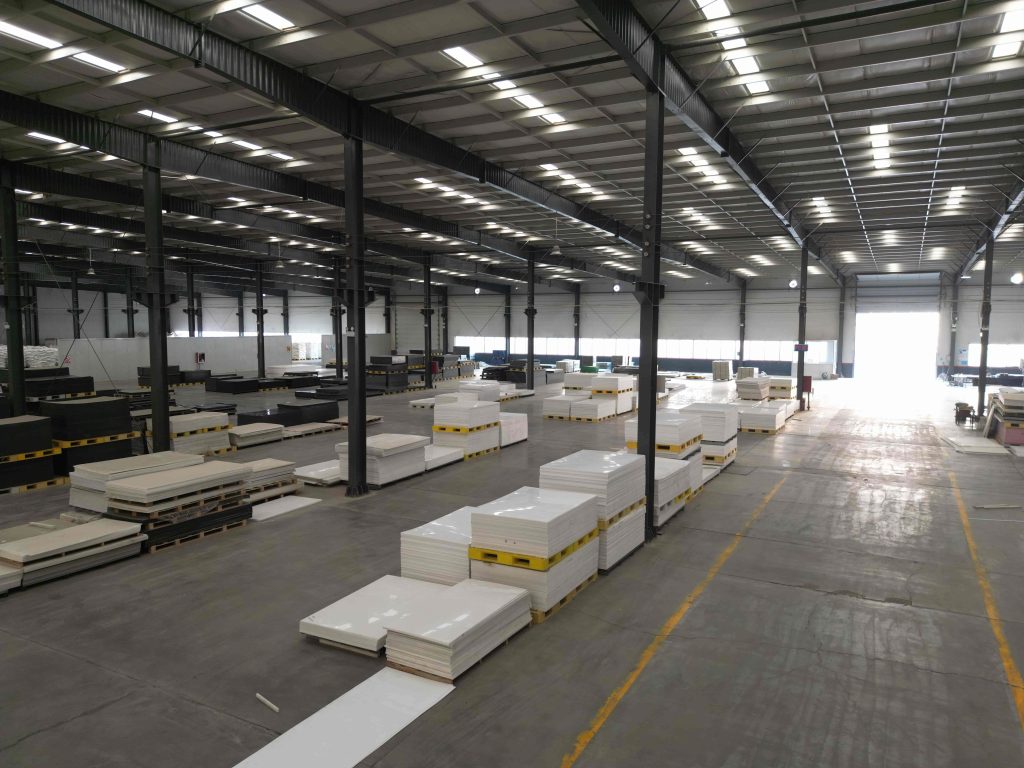
Green: It meets the requirements of environmental protection, which makes it possible to be used in food processing and treatment, medicine and other industries with high requirements for hygiene and safety.
Flame retardant can be self-extinguishing: After adding flame retardant masterbatch, it has certain flame retardant property, and it can be self-extinguishing when it meets the fire source, which has certain advantages in some places with high requirements for fire prevention, such as some piping systems inside the building.
Ageing resistance and UV resistance: normal service life is longer, in the outdoor or some long-term light environment can also maintain better performance, can be used for agricultural irrigation and other outdoor facilities.
The Color of PP Engineering Board
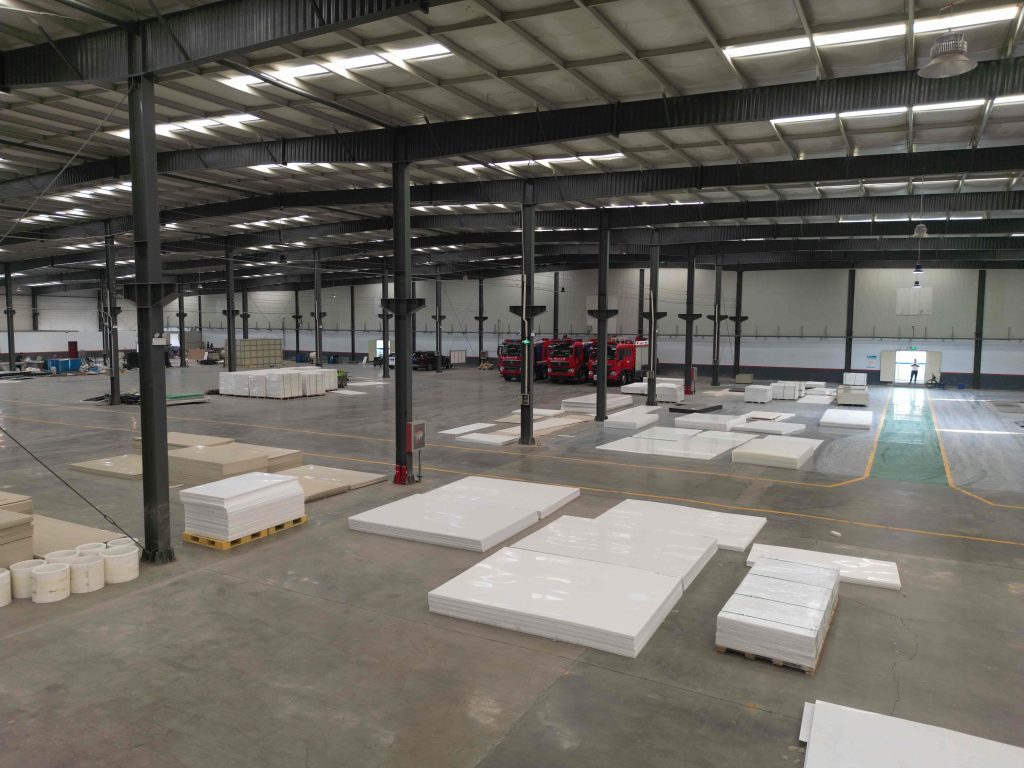
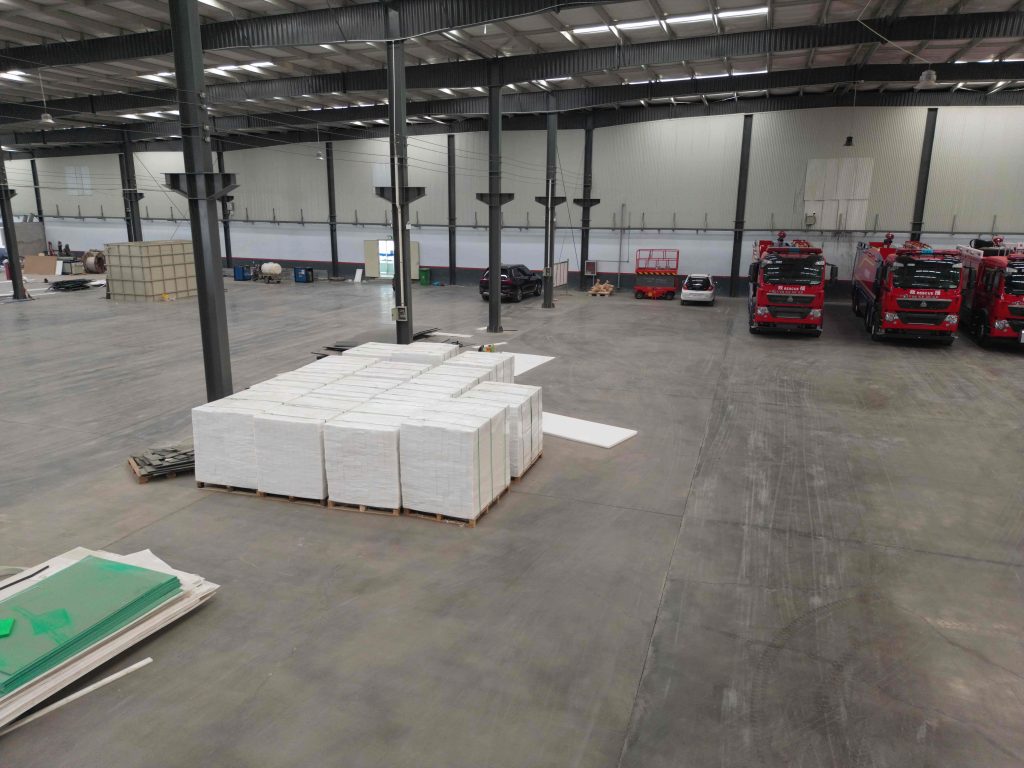
Common PP engineering plate colors are white, beige, gray, etc., can also be customized according to customer requirements of other colors, such as microcomputer color, milky white, porcelain white, green, blue, black, etc.
The Processing Performance of PP Engineering Board
Cutting tools: can use wide-tooth table saw, miter saw, hand saw, CNC engraving machine and other tools for cutting.
Processing methods: capable of processing operations such as heat fusion welding, plastic absorbing molding, drilling, punching, engraving, and so on.
Processing tools: such as plastic welding hot air welding, welding machine, touch welding machine, bending machine can be used for the processing of PP engineering board.