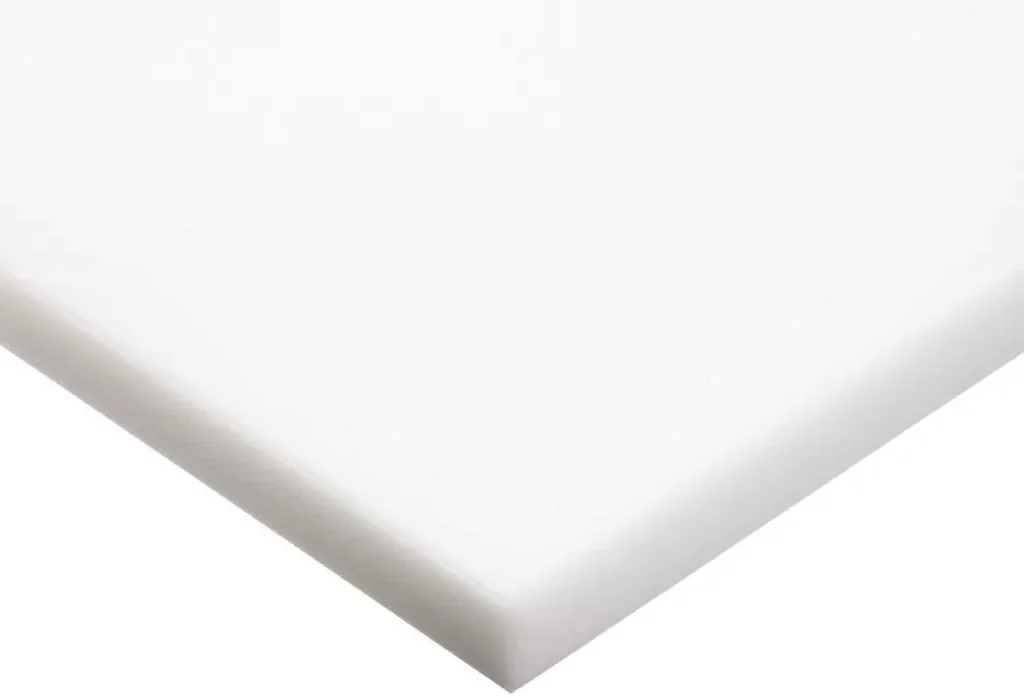
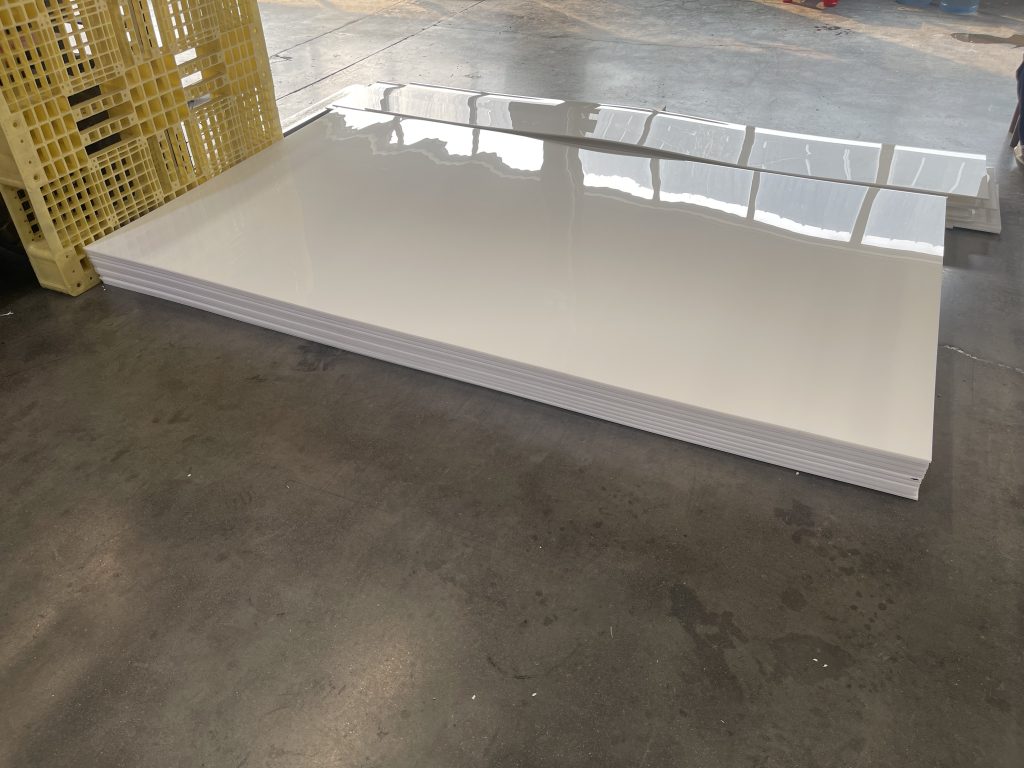
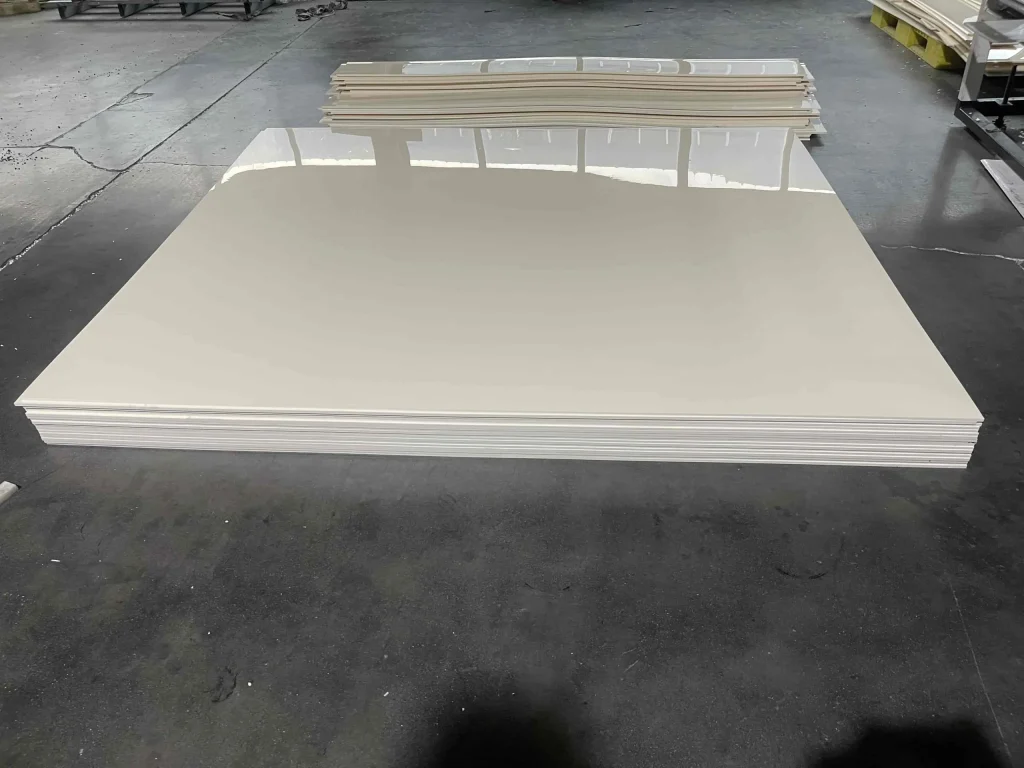
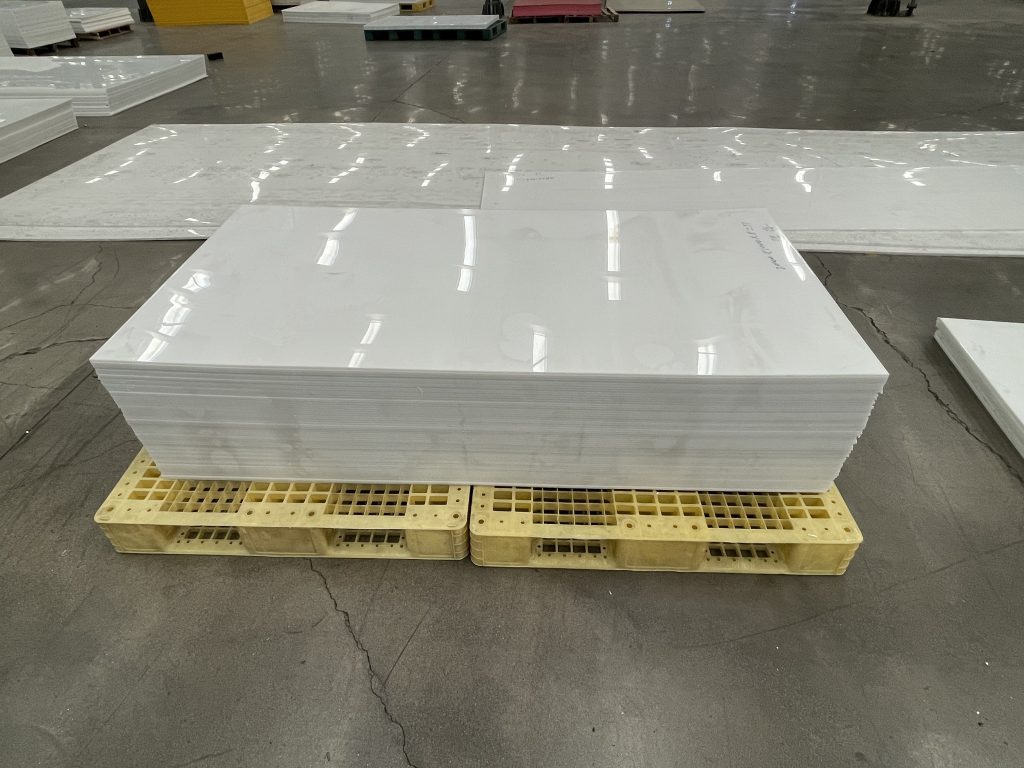
A food grade HDPE sheet is a rigid plastic panel made from virgin high-density polyethylene resin that meets FDA and international standards for direct food contact. Unlike standard HDPE, it contains no recycled content, no heavy metals, and no restricted additives — making it the go-to material for cutting boards, ..
HDPE is the default material for chemical tanks, liners, and lab surfaces. Its non-polar molecular structure and high crystallinity, typically 60–80%, make it broadly inert to acids, alkalis, and many solvents. This guide provides a practical HDPE chemical resistance chart and a clear framework for choosing the right grade. What ..
When selecting a plastic sheet for your project, the HDPE vs PP decision comes up more often than almost any other material comparison. Both are commodity polyolefins, both are widely available, and both perform well across a broad range of industrial applications. Yet their structural differences lead to very different ..
FRPP sheet is a fiber reinforced polypropylene panel made by embedding short-cut glass fibers into a polypropylene matrix. This reinforcement significantly boosts tensile strength, rigidity, and heat resistance. At the same time, it retains PP’s hallmark chemical resistance and lightweight nature. Industries rely on it for corrosion-resistant tanks, structural panels, ..
Commercial kitchens need surfaces that are safe, durable, and easy to clean. HDPE cutting board material checks all three boxes — which is why it dominates professional kitchens worldwide. This guide covers material properties, thickness selection, color coding, fabrication, and sourcing. Why HDPE Is the Best Material for Cutting Boards ..
A fire resistant plastic sheet is a thermoplastic panel engineered with flame-retardant additives — or made from an inherently flame-resistant polymer — to resist ignition and slow flame spread. These sheets are rated under the UL94 standard (V-0, V-1, V-2, or HB). Industries such as electronics, construction, transportation, and appliances ..
PPA GF33 sheet is a 33% glass-filled polyphthalamide panel rated to 150–180°C, with low moisture absorption and high dimensional stability vs PA66 and PPS. ..
Polyphthalamide (PPA) sheet: a semi-aromatic high-temperature engineering plastic between PA66 and PEEK. Compare PPA vs PPS, PA66 and PEEK properties, grades and uses. ..
Choosing between HDPE and UHMWPE is one of the most common headaches for engineers and procurement managers. Both materials belong to the polyethylene family. Both look and feel similar on a shop floor. Yet UHMWPE often costs 40% to 80% more per kilogram than HDPE. Why? When comparing hdpe vs ..
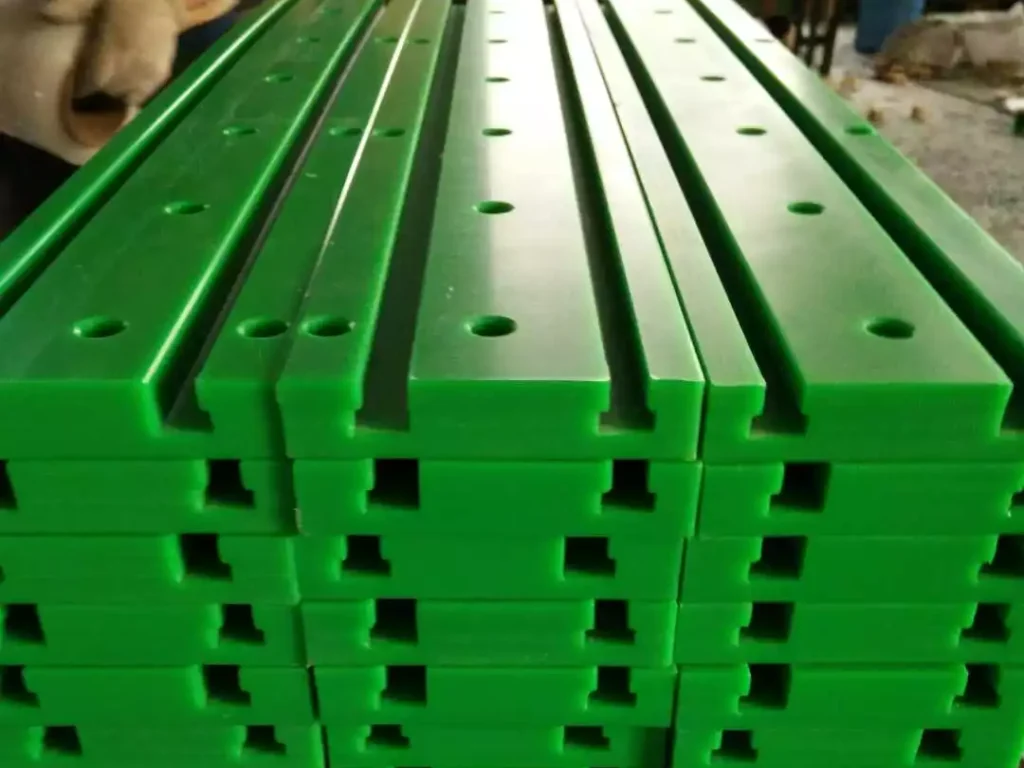
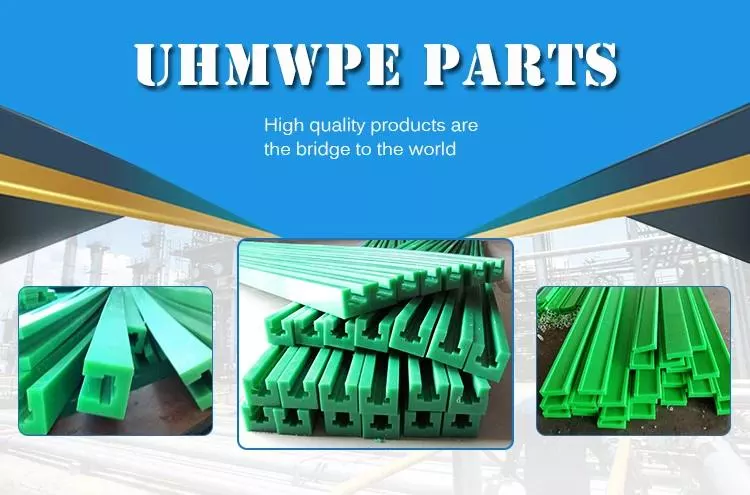
Metal-on-metal contact is the silent enemy of every conveyor line. Roller chains grind against steel tracks, motors work harder than they should, and noise levels climb. UHMWPE wear strips solve this problem. These ultra-high molecular weight polyethylene components sit between moving metal parts, cutting friction, absorbing shock, and running dry ..
Ultra-high molecular weight polyethylene delivers an unbeatable combination of low friction and impact resistance. Its molecular weight ranges from 3 to 9 million g/mol. That makes it the top choice for wear strips, guide rails, and liner plates. But machining this material is tricky. Standard CNC settings often produce stringy ..
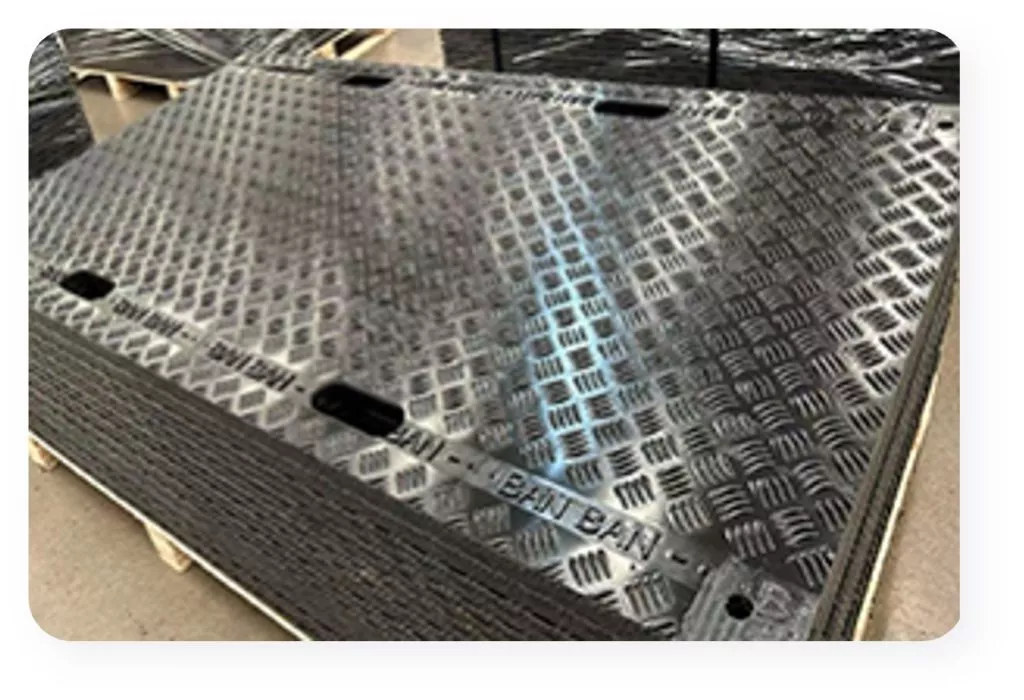
A 4×8 ground protection mat is the standard size on job sites across North America, Europe, and Southeast Asia. The panel measures 4 feet by 8 feet, or roughly 1220 mm by 2440 mm. That footprint fits on a pallet, slides into a pickup bed, and lines up edge to ..
Heavy machines sink. Lawns tear. Access roads turn to soup after two days of rain. HDPE mats solve that problem with a simple idea — spread the weight of a machine across a wide, stiff plastic panel so the ground underneath stays intact. An HDPE mat is a thick panel ..
If you have ever shopped for a polyethylene sheet and seen two quotes — one for “HDPE” and one for “marine grade HDPE” at nearly double the price — you have probably asked the obvious question: is it really the same plastic with a marketing label attached? The short answer ..
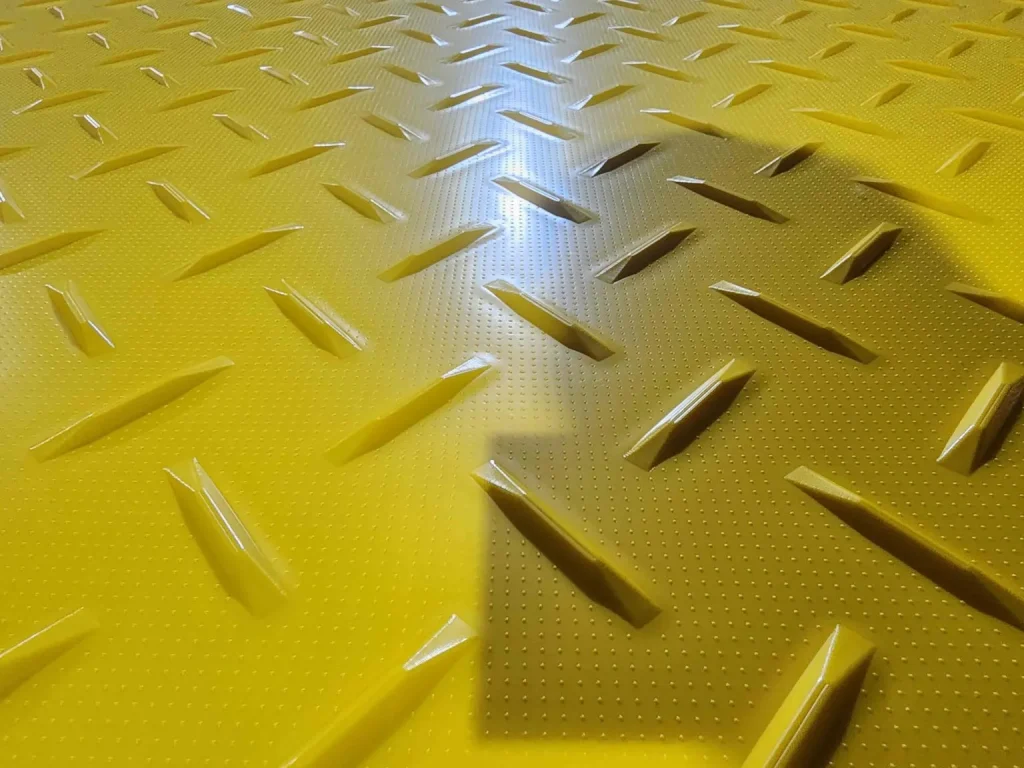
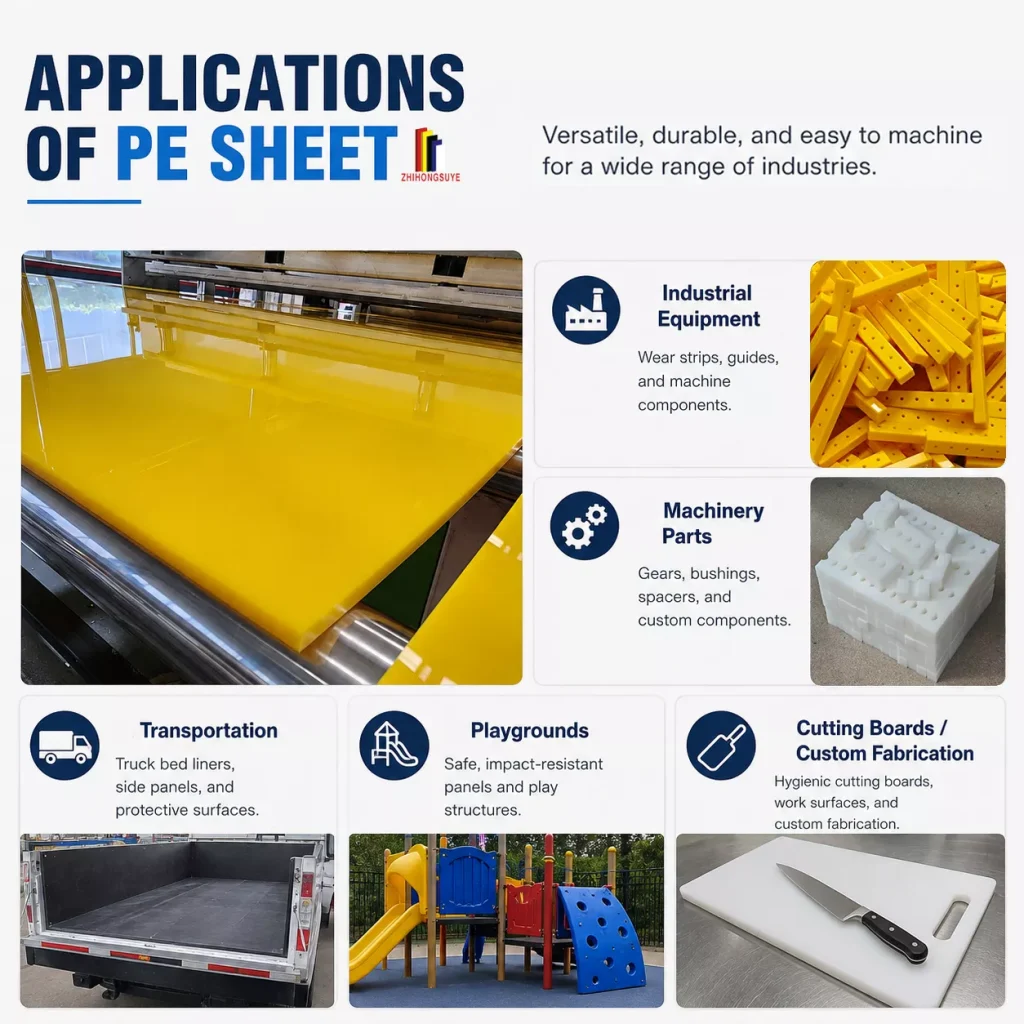
When designers specify a plastic panel for a wet floor, a truck bed, a marine deck or a playground structure, smooth plastic is often the wrong answer. Water, oil, sawdust and mud turn a glossy surface into a hazard, and a mirror finish shows every scuff. This is exactly why ..
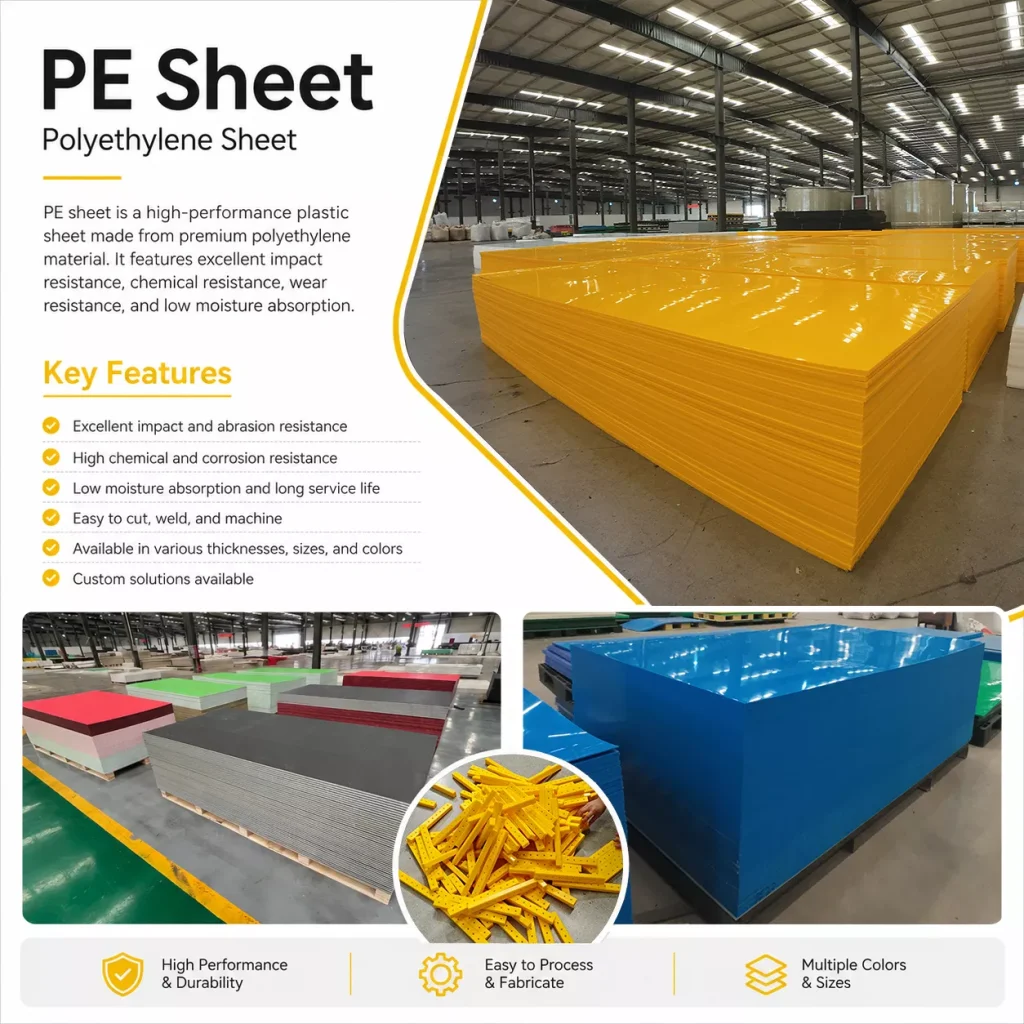
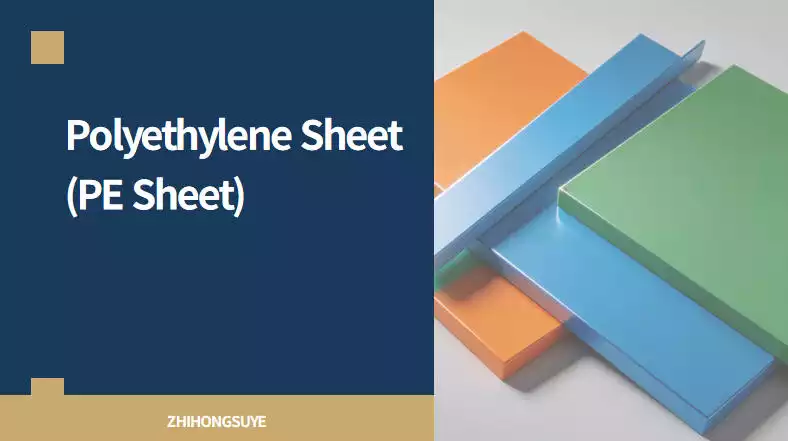
Polyethylene sheet is one of the most widely used engineering plastics in the world, yet many buyers still ask a simple question before placing an order: what exactly is it, and how do I choose the right grade? This guide explains what polyethylene sheet is, how it is made, how ..
When buyers ask for a polyethylene sheet price, they usually expect a single number. In reality, a sheet quotation is the sum of at least six variables — resin grade, density, thickness tolerance, additive package, sheet format and order volume — plus packaging and freight. Two suppliers can quote the ..
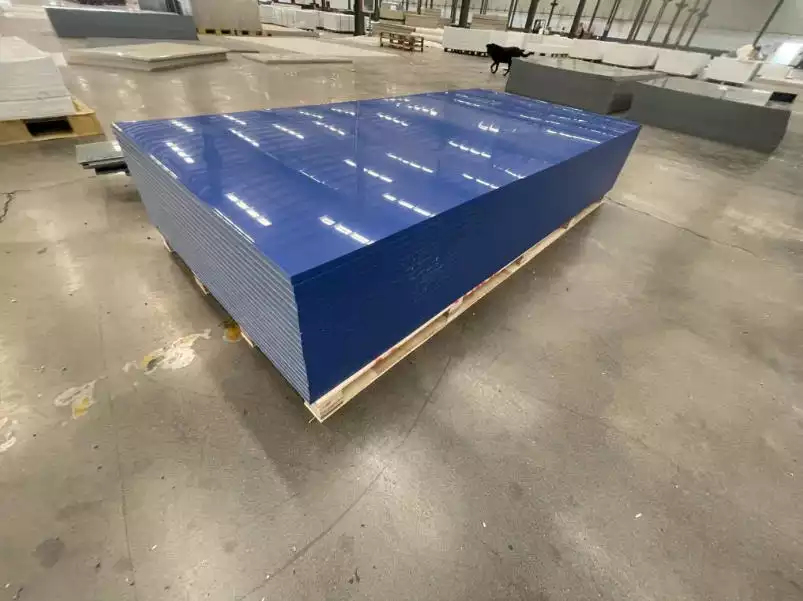
If you have ever specified plastic for a fabrication project, you have almost certainly come across the 4×8 format. Four feet by eight feet — roughly 1220 mm × 2440 mm — is the workhorse dimension of the sheet materials industry. It matches plywood, it matches standard truck and container ..
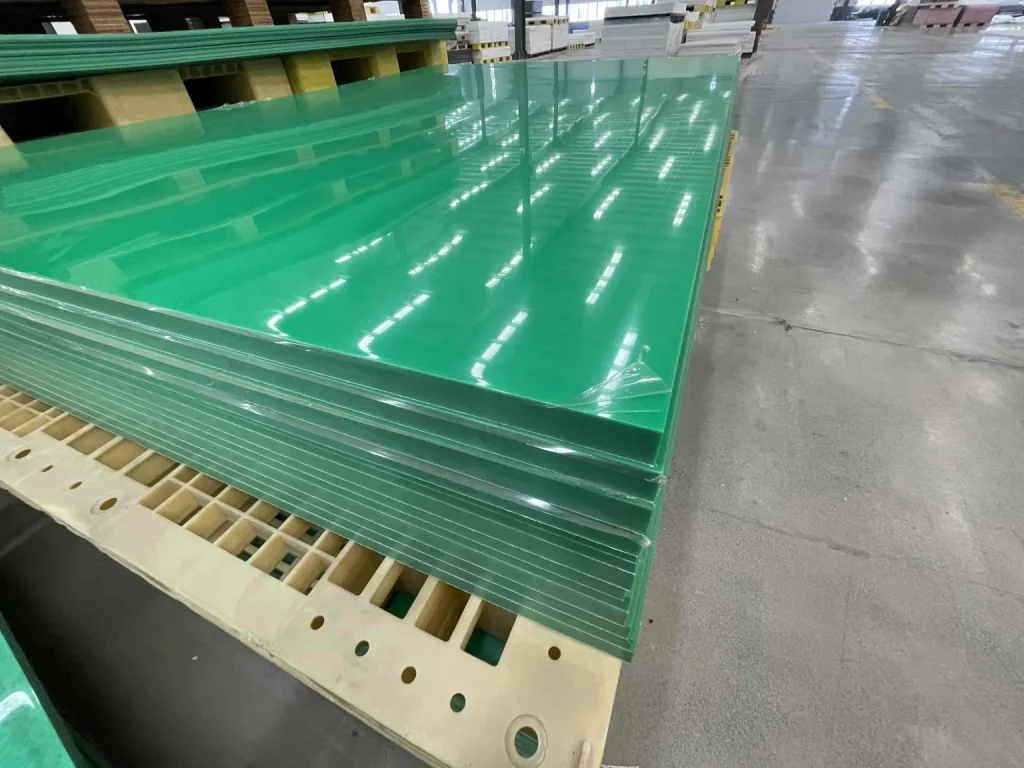
High density polyethylene, better known simply as HDPE, is one of the most widely specified thermoplastics in the world — and for good reason. It is tough, chemically inert, moisture-proof, food-safe, and remarkably inexpensive relative to its performance. When extruded into flat stock, it becomes a versatile engineering material that ..
Ultra-high molecular weight polyethylene (UHMW-PE, also written UHMWPE or UPE) is one of the few plastics that engineers routinely choose to replace steel, bronze, and nylon in punishing industrial environments. Knowing UHMW material properties is the difference between a wear part that lasts five years and one that fails in ..
We use cookies to ensure that we give you the best experience on our website. If you continue to use this site we will assume that you are happy with it.