

Commercial kitchens need surfaces that are safe, durable, and easy to clean. HDPE cutting board material checks all three boxes — which is why it dominates professional kitchens worldwide. This guide covers material properties, thickness selection, color coding, fabrication, and sourcing.
Why HDPE Is the Best Material for Cutting Boards
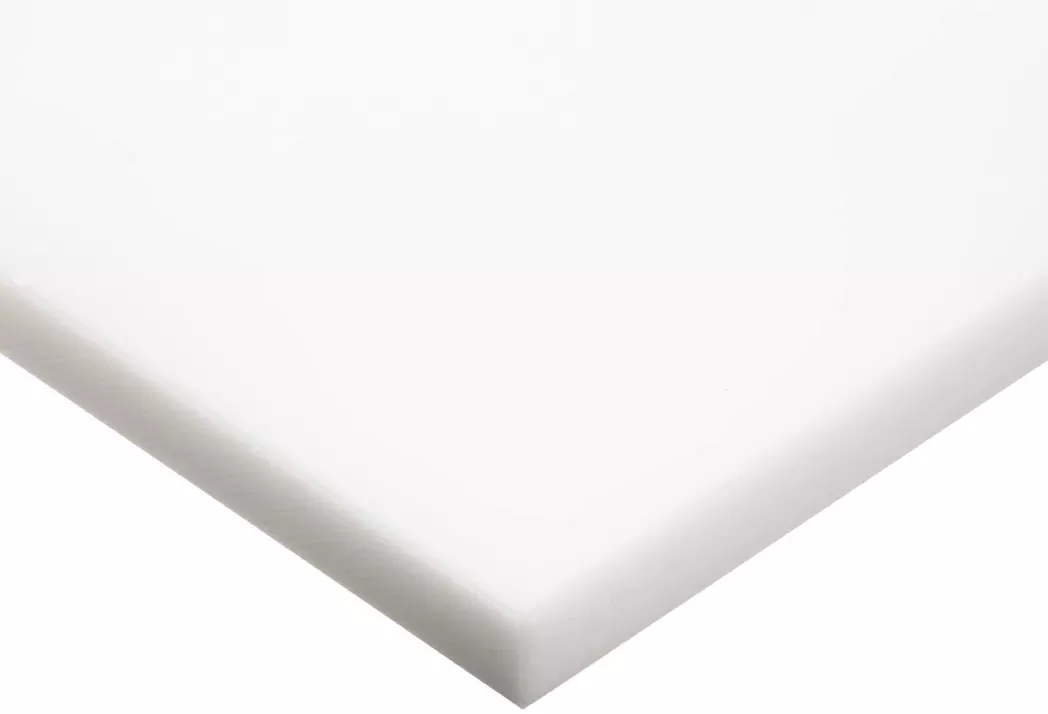
HDPE (High-Density Polyethylene) is FDA and USDA compliant for direct food contact. Its surface is non-porous, so bacteria cannot penetrate it the way they do with wood grain or bamboo fibers. HDPE also resists moisture, does not crack or splinter, and survives repeated dishwasher cycles without warping.
Here is how common cutting board materials compare:
| Material | Porous | Dishwasher-Safe | FDA Compliant |
|---|---|---|---|
| HDPE | No | Yes | Yes |
| Wood | Yes | No | No |
| Bamboo | Yes | No | No |
| PP | No | Yes | Yes |
| UHMWPE | No | Yes | Yes |
HDPE sits at the ideal balance of hygiene, durability, and cost. PP is softer and marks more easily under heavy knife work. UHMWPE is tougher but costs significantly more. Wood scores well on knife feel but fails on sanitation. For most commercial applications, hdpe cutting board material is the practical default.
Color-Coded Cutting Boards and HACCP Compliance
HACCP food safety standards require kitchens to prevent cross-contamination between raw and ready-to-eat foods. Color-coded HDPE cutting boards are the industry solution:
- Red — raw meat
- Yellow — poultry
- Blue — seafood
- Green — fruits and vegetables
- White — dairy and bakery items
HDPE sheet is available in solid colors throughout its full thickness. The color will not fade, peel, or wear off over time. This makes color-coded HDPE the most reliable choice for a compliant HACCP kitchen system.

Thickness, Size, and Grade Selection
Choosing the right thickness matters just as much as the material itself. Standard options include:
| Thickness | Application |
|---|---|
| 3/8″ (9.5 mm) | Light-duty or home prep |
| 1/2″ (12.7 mm) | Commercial kitchen standard |
| 3/4″–1″ (19–25 mm) | Heavy-duty butchery and meat processing |
Standard sheet size is 4 × 8 feet. Always specify food-grade HDPE sheet rather than general-purpose HDPE. Food-grade sheet is produced without recycled content and comes with full FDA documentation. For a compliant, knife-friendly surface, source your boards from a food-grade HDPE sheet supplied in the exact thickness you need.
Heavy-duty boards are cut from solid HDPE plate, which holds flatness and resists warping under repeated sanitizing cycles.
Cut-to-Size and Custom Machining
Off-the-shelf sheet sizes rarely match custom kitchen layouts. Fortunately, HDPE machines cleanly and without splintering. Common fabrication steps include:
- CNC cutting for precise dimensions and repeatable batch production
- Routing and milling for juice grooves, corner radii, and grip recesses
- Chamfering and deburring for smooth, hygiene-compliant edges
- Drilling for hanging holes or hardware inserts
Custom board profiles come out cleaner when you follow the right machining HDPE sheet tooling and feed parameters. For repetitive shapes and tight tolerances, CNC cutting HDPE delivers burr-free edges ready for foodservice use.
How to Source Food-Grade HDPE Sheet
Buying directly from a manufacturer gives you access to certified material, custom thicknesses, and color options in volume. Always ask for FDA compliance documentation before placing an order.
Confirm your supplier’s food grade HDPE board carries the right certification before committing to a volume purchase. Requesting material test reports is standard practice in commercial food equipment procurement.
Frequently Asked Questions
1. Is HDPE safe for cutting boards?
Yes. HDPE is FDA and USDA approved for food contact. Its non-porous surface does not absorb bacteria, juices, or odors.
2. What thickness should I use for a cutting board?
1/2″ (12.7 mm) is the commercial standard. Use 3/4″ to 1″ for heavy butchery applications.
3. HDPE vs wood, which is better?
HDPE wins on hygiene, durability, and compliance. Wood has a better knife feel but harbors bacteria and is not dishwasher safe.
4. Why do commercial kitchens use color-coded HDPE boards?
Color coding enforces HACCP cross-contamination controls. HDPE holds color permanently through its full thickness, unlike coated or painted alternatives.
5. Can I cut HDPE sheet to size for a custom board?
Yes. HDPE cuts cleanly with CNC routers or standard saws. Deburr and chamfer all edges for a food-safe finish.



