

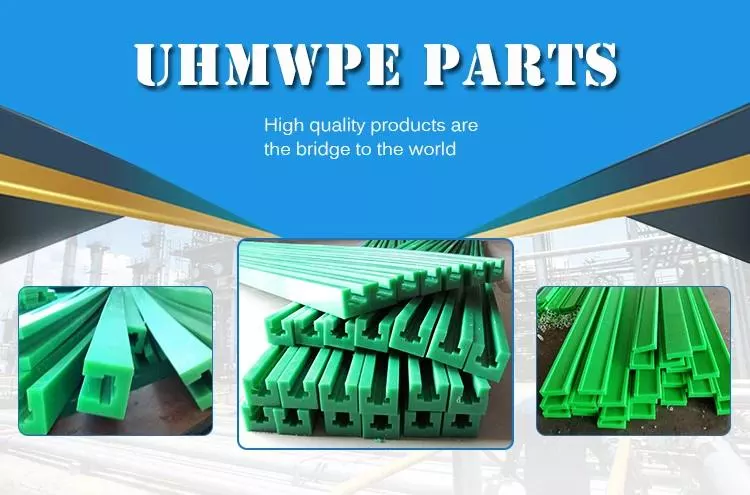
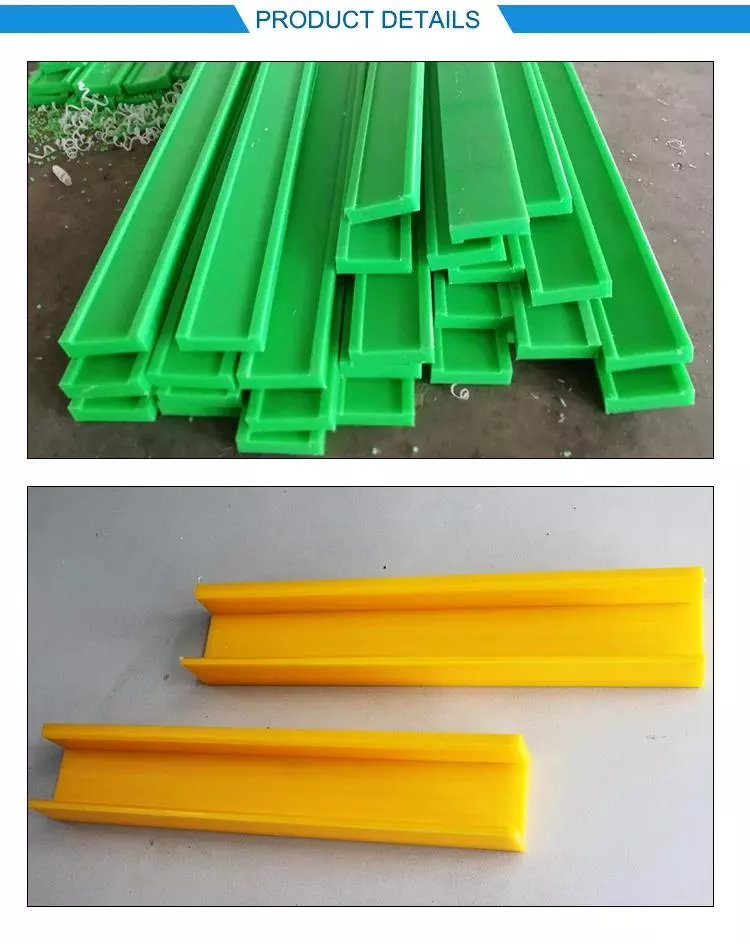
Ultra-high molecular weight polyethylene delivers an unbeatable combination of low friction and impact resistance. Its molecular weight ranges from 3 to 9 million g/mol. That makes it the top choice for wear strips, guide rails, and liner plates. But machining this material is tricky. Standard CNC settings often produce stringy burrs, melted chips, and parts that shrink after they leave the fixture. Shops that understand its behavior can turn out flawless machined engineering components for conveyors, chemical star wheels, and heavy-duty wear blocks. This comprehensive guide examines the physical principles, tooling requirements, and process controls involved in UHMWPE machining.
Material Physics: Why UHMWPE Machining Cuts Differently
UHMWPE behaves nothing like acrylic or nylon. Its extremely long polymer chains act like tiny rubber bands. Instead of snapping cleanly, they stretch and deform under the cutting edge. This causes the material to rub against the tool flank and generate extra heat.
The polymer also has very low thermal conductivity. Heat cannot escape through the workpiece. Most of the cutting heat must leave with the chip itself. If chips linger near the cutting zone, the material can soften near its 135°C melt point and stick to the tool.
Sheet stock also carries residual internal stress from manufacturing. Skimming one face too aggressively can release that stress instantly, warping the part before it even leaves the machine.
Tooling Geometry, Feeds, and Speeds for UHMWPE CNC Milling
Tool selection makes or breaks the finish. Never use dull cutters or standard four-flute end mills designed for metal. They pack with softened material and tear the surface.
Instead, choose a polished, high-rake, single-flute O-flute end mill. A rake angle between 15° and 25° is ideal. This geometry shears the material cleanly instead of pushing and compressing it.
Recommended CNC parameters for UHMWPE include:
- Spindle speed: 10,000 to 16,000 RPM
- Feed rate: 150 to 300 IPM (3,800 to 7,600 mm/min)
- Climb milling only, to reduce edge fraying
Air management matters just as much as speed. Dry cutting lets chips build up and re-melt against the tool. A steady blast of compressed cold air clears chips instantly and keeps the cutting zone cool.
Facilities with high-rigidity equipment and proven precision cnc milling capabilities can hold these aggressive feed rates without chatter, which is essential for large wear-block production runs.
Eliminating Burrs and Controlling Tight Tolerances
Three practical fixes solve most burr problems on the shop floor.
First, always use a sacrificial backing board. MDF or phenolic board under the workpiece prevents the exit side from tearing when you drill or rout through the material.
Second, run a light deburring pass. Leave 0.2mm of stock on the final outline, then clean it up with a 45° chamfer bit at higher RPM. This shears away the fuzzy fibers left by roughing passes.
Third, for high-volume small parts, cryogenic tumbling works well. Freezing the parts briefly with liquid nitrogen makes burrs brittle, so a tumbling barrel snaps them off cleanly.
Dimensional stability is another common surprise. Drilled holes often finish 0.05 to 0.1mm smaller than the drill bit itself, because the elastic material springs back after the tool retracts. Shops that maintain tight machining tolerances compensate for this spring-back in their programming and hold a stable shop temperature throughout the job.
Blank Sizing, Volume Planning, and Weight Calculations
Nesting and blank sizing directly affect project cost. Compression-molded thick sheets and extruded thin sheets behave differently under the router, and each leaves a different amount of scrap.
When comparing raw material options, many buyers weigh UHMWPE against other wear resistant engineering plastics like HDPE. HDPE machines faster and costs less, but UHMWPE wins on abrasion resistance for the toughest applications.
Before you finalize a cutting plan, quick unit conversion saves time on the shop floor:
You also need an accurate weight estimate before ordering blanks or planning freight. Enter the sheet dimensions and UHMWPE’s density of roughly 0.93 to 0.94 g/cm³ below:
For full project planning, including multiple sheets and material types, the complete plastic sheet weight calculator tool handles bulk calculations in one place.
Post-Machining Stress Relief and Annealing
High-precision rails and liners need one more step after rough machining: stress relief annealing. Skipping this step often leads to warped parts weeks after delivery.
The recommended cycle heats parts at 10°C to 15°C per hour up to 90°C to 95°C. Hold that temperature for 2 to 4 hours, depending on thickness. Then cool the parts slowly in the oven, at less than 8°C per hour.
This slow cycle releases residual stress locked into the material during extrusion or molding. Parts that go through it stay flat and dimensionally stable for years in service.
Frequently Asked Questions
1. Can you machine UHMWPE to tight tolerances like ±0.001 inches (±0.025 mm)?
Shop-friendly tolerances usually sit around ±0.005″ (±0.127mm) because of thermal expansion and elastic memory. Tighter tolerances require a fully annealed blank, a temperature-controlled room, and light finishing passes measured in place.
2. What is the best way to drill UHMWPE without stringy chips?
Standard twist drills clog quickly. Use a fast-spiral plastic drill or a double-flute bit with a 90° to 110° point angle. Peck drilling in 2 to 3mm increments clears chips before they wrap around the bit.
3. Why does machined UHMW feel “fuzzy” along the edges?
Fuzz forms when the cutting edge is too dull or the feed rate is too slow, so the material tears instead of shearing. A sharp, polished single-flute tool combined with a higher feed rate solves this. A final pass with a ceramic deburring blade removes any leftover fibers.
4. Should coolant be used when CNC routing UHMWPE sheets?
Compressed air cooling is preferred. Water-based coolant cools fast but leaves a slippery film that interferes with vacuum tables. Air cooling also avoids chemical residue, which matters for medical or food-grade parts.
5. What is the difference between machining virgin and reprocessed UHMW?
Virgin UHMWPE offers higher tensile strength and a denser, smoother finish after machining. Reprocessed black UHMW costs 20% to 30% less but wears tools slightly faster due to uneven filler content. It works well for mining chutes and dump-truck liners that never touch food products.



