

When designers specify a plastic panel for a wet floor, a truck bed, a marine deck or a playground structure, smooth plastic is often the wrong answer. Water, oil, sawdust and mud turn a glossy surface into a hazard, and a mirror finish shows every scuff. This is exactly why textured HDPE sheets have become one of the most widely specified formats of high density polyethylene in industrial, marine and architectural work.
Below is a practical guide to what textured high density polyethylene sheets are, how the surface is produced, which patterns exist, and how to choose the right grade, thickness and colour for your project.
What Is a Textured HDPE Sheet?
HDPE — high density polyethylene — is a semi-crystalline thermoplastic with a density of roughly 0.94–0.96 g/cm³. In sheet form it delivers excellent impact strength, near-zero moisture absorption, outstanding chemical resistance and a naturally low coefficient of friction. A textured high density polyethylene HDPE sheet is simply a polyethylene sheet whose surface has been deliberately embossed with a repeating pattern instead of being left glossy or lightly matte.
The texture is not a coating, film or laminate. It is formed in the polymer itself, which means it cannot peel, delaminate, flake or wear off as a painted or film-laminated surface would. Even after years of foot traffic and cleaning, the profile remains part of the sheet.
Zhihong produces textured panels within its wider polyethylene sheet series, covering standard HDPE, PE100 pressure-grade material, UPE (UHMW-PE) and colour-core constructions.
How the Texture Is Produced
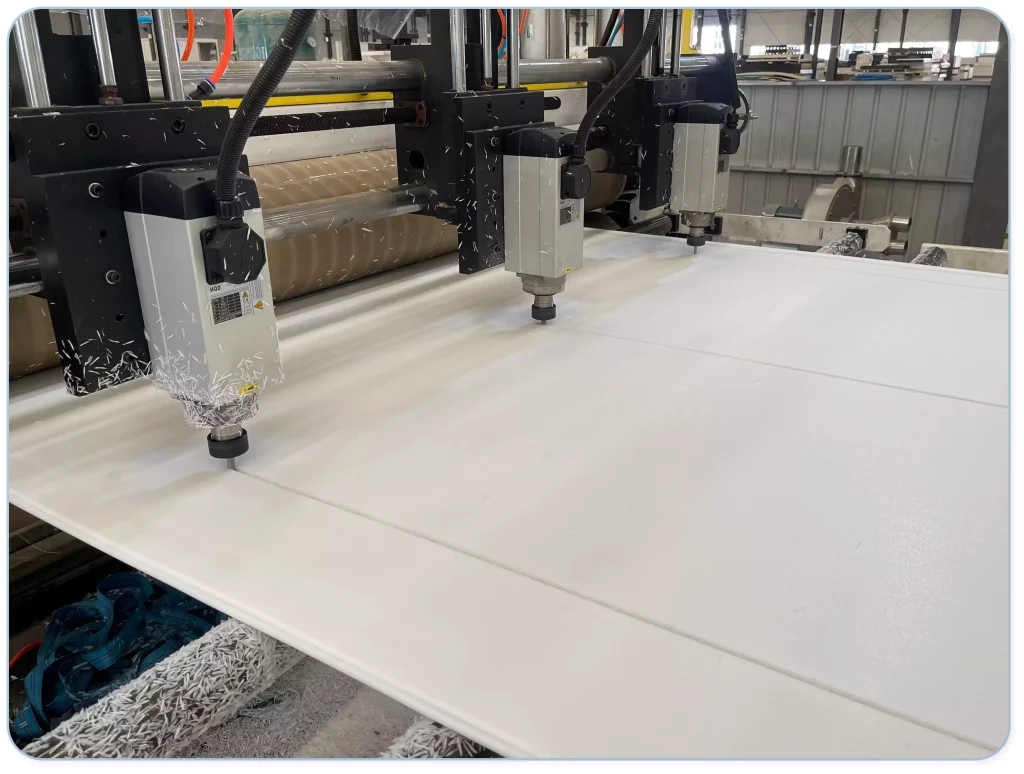
Textured polyethylene sheet is manufactured on an extrusion line. Polymer granules, colour masterbatch, UV stabilisers and any functional additives are melted in a single- or twin-screw extruder and pushed through a wide flat die. The molten web then passes through a three-roll calibration stack.
The critical component is the roll that contacts the sheet face. Instead of a mirror-polished chrome roller, an engraved or shot-blasted roller is used. As the still-plastic web is calibrated to final thickness, the roller’s negative pattern is transferred permanently into the polyethylene surface. Roll temperature, line speed, nip pressure and melt temperature all determine how sharply the pattern is reproduced and how uniform the sheet thickness stays across the width.
Sheets can be embossed on one side only (the reverse remaining smooth for bonding or mounting) or double-sided for reversible service — a valuable feature for ground protection panels that are flipped over when one face wears.
Common Surface Patterns
Not all textures do the same job. The main families are:
Matte / orange-peel. A fine, low-gloss stipple. It hides scratches, reduces glare and gives a clean architectural appearance. This is the standard finish for marine-grade cabinetry, lockers, partitions and playground panels.
Sandblasted / fine grain. A slightly deeper, evenly distributed grain that improves dry grip without becoming aggressive to skin. Popular for boat decks, dock edging and step treads.
Diamond plate / checker plate. A raised geometric pattern that mimics aluminium tread plate. High slip resistance and a strong industrial look; used in truck bodies, trailer floors, stair treads and loading areas.
Coarse non-skid / pebble. Deep, irregular protrusions engineered for maximum traction under water, oil or mud. Standard for HDPE ground protection panels, ramps and wash-down platforms.
Wood grain and leather grain. Decorative embossing for furniture components, retail fixtures, boat interiors and outdoor benches, combining the look of natural material with the weatherability of plastic.
Hammered / random pattern. A directionless finish that is excellent at concealing wear and handling marks on frequently touched surfaces.
Why Specifiers Choose Textured HDPE Over Smooth
Slip resistance. The single biggest reason. A textured face breaks the water film that causes hydroplaning underfoot, raising the effective coefficient of friction substantially compared with a polished panel — critical for wet processing floors, pool surrounds, marine steps and access ramps.
Scratch and mark concealment. Diffuse light scattering means fine scratches simply disappear into the pattern. Textured panels stay presentable far longer than gloss sheets in high-contact environments.
Zero moisture absorption and rot resistance. HDPE absorbs less than 0.01 % water. It will not rot, swell, splinter, delaminate or host fungus, making it a direct replacement for marine plywood and treated timber.
Chemical inertness. Resistant to most acids, alkalis, salts, alcohols, detergents and cleaning chemicals at ambient temperature. Ideal for chemical plants, food-processing wash-down areas and aquaculture.
Impact toughness at low temperature. HDPE stays tough well below freezing, so textured panels survive winter site work, cold rooms and northern marine applications.
UV durability. With carbon black or UV-stabilised colour packages, outdoor life of ten years or more is realistic.
Hygiene and easy cleaning. Non-porous surfaces resist bacterial harbourage and rinse clean with standard detergents.
Recyclability. HDPE is a single-polymer, fully recyclable material, which supports sustainability targets.
Typical Specifications
|
Property |
Typical range |
|
Thickness |
1 mm – 100 mm (textured commonly 3–30 mm) |
|
Standard sheet sizes |
1220 × 2440 mm (4×8 ft), 1500 × 3000 mm, 2000 × 4000 mm |
|
Density |
0.94 – 0.96 g/cm³ |
|
Tensile strength |
22 – 32 MPa |
|
Service temperature |
–60 °C to +80 °C |
|
Colours |
Black, white, grey, green, blue, red, yellow, sand, beige, custom |
|
Construction |
Single colour, dual-colour, colour-core (three-layer) |
Custom widths, lengths and cut-to-size parts are available, and colour-core sheets allow engraved signage where routing through the cap layer reveals a contrasting core.
Where Textured High Density Polyethylene Sheets Are Used
Marine and boating. Deck panels, swim platforms, hatch covers, livewell dividers, dock fenders, seat bases, transom boards, console fascias. Textured marine-grade HDPE is the industry benchmark for replacing plywood.
Site access and ground protection. Heavy-duty non-skid panels distribute crane, drill-rig and lorry loads across soft ground while giving tyres and boots grip. Zhihong’s HDPE ground protection and anti-slip road mats use deep double-sided embossing with moulded lifting handles.
Transport. Trailer and truck-bed liners, van floors, tail-lift surfaces, container flooring, agricultural machinery panels.
Playgrounds and outdoor furniture. Climbing panels, roofs, deck boards, picnic tables, benches, fence infills — colour-fast, splinter-free and vandal-resistant.
Food, chemical and water treatment. Cutting surfaces, tank linings, splash guards, walkways, weir plates, filter deck panels, wash-down platforms.
Architectural and sanitary. Toilet partitions, lockers, shower cubicles, wall cladding in gyms, stables and kennels.
Agriculture and aquaculture. Livestock pen dividers, feed bunk liners, fish tank walls, hatchery trays.
Fabricating Textured HDPE
HDPE machines like a hardwood. Sheets can be sawn with fine-tooth blades, routed, CNC-milled, drilled, planed, thermoformed and line-bent. Because polyethylene has a high coefficient of thermal expansion (about 0.0002 /°C), fixings should use slotted or oversized holes to allow movement — especially on long outdoor runs.
HDPE is non-polar, so adhesives rarely work well. Preferred joining methods are mechanical fastening, hot-air or extrusion welding with matching PE rod, and butt fusion for thick plate. If bonding or printing is unavoidable, flame or corona surface treatment is required. Note that the textured face should generally not be the bonding face — specify single-sided texture with a smooth reverse for laminating work.
Choosing a Manufacturer
Consistency is what separates a good sheet from a problem sheet: even thickness across the width, uniform pattern depth, colour matching between production lots, no die lines, no contamination and controlled internal stress so panels stay flat after machining.
Hebei Zhihong Plastic Products Manufacturing Co., Ltd., founded in 2012 in the Songmen Chemical Industrial Park, Wuqiao County, Cangzhou, specialises in extruded engineering plastic sheets — HDPE, PP, UPE and PE100 — with products serving more than twenty provinces across China and export markets throughout Southeast Asia. Custom sizes, colours, textures and functional grades (flame-retardant, anti-static, UV-stabilised, food-contact) are produced to order. Explore the dedicated HDPE textured sheet product page for full specifications.
Textured high density polyethylene sheets combine the chemical inertness, toughness and weatherability of HDPE with a permanently embossed surface that delivers grip, hides wear and looks better for longer. Whether the requirement is a non-skid marine deck, a reversible ground protection panel, a hygienic wash-down wall or a decorative wood-grain outdoor bench, selecting the correct pattern, thickness and stabilisation package will determine how the installation performs a decade from now — so define the environment first, then specify the sheet.
For supplier pricing and what to expect per sheet, read our how much HDPE sheets cost overview.
Deep-Dive Technical Notes
Textured HDPE Sheet For Outdoor And Marine Use
How Is Textured HDPE Sheet Different From Smooth?
Surface design and functioning change greatly between smooth and textured HDPE sheets. Gritty and slip-resistant, the rough surface makes it safer for damp and high-traffic areas. However, smooth HDPE sheets lack this characteristic and are better for elegant applications. Textured HDPE sheet provides stability in outdoor areas like patios, pathways, and playgrounds. This makes them perfect for durable and safe building tasks. In marine situations, textured HDPE sheet resists wet and slippery conditions better than smooth. Textured polyethylene sheet is used inside docks and boats to increase safety and durability. Moreover, HDPE sheets can survive prolonged UV exposure and harsh weather. Textured HDPE sheets address safety, functionality, and resilience issues, whereas smooth ones are good for decoration or low-impact use. Both alternatives meet certain demands, but the textured variant excels in harsh settings.
What are common uses for textured HDPE sheets?
Due to their durability, slip-resistance, and adaptability, textured HDPE sheets are used in many sectors. They're great for high-traffic industrial flooring since they resist wear, impact, and dampness. Safety and stability under harsh conditions are considerably improved by these sheets in factories, warehouses, and workshops. Textured HDPE sheets are ideal for decks, garden walks, and recreational surfaces. They can survive harsh weather, UV exposure, and extensive use without warping or degrading. For marine locations, textured HDPE sheets are ideal since they resist saltwater and harsh conditions. Docks, boat interiors, and waterfront protection panels are commonly built with them. The textured surface improves grip. These sheets are used in residential and commercial construction due to their durability and inexpensive upkeep. Their versatility enables top performance in various contexts, from small-scale textured plastic sheets to heavy-duty textured HDPE panels for industrial use.
Can Outdoor Textured HDPE Sheets Be Used?
Textured HDPE sheets can withstand UV exposure, harsh weather, and wetness. These sheets are durable enough for long-term outdoor use even in direct sunlight or frigid weather. The textured surface improves slip resistance and adds a modern look to outdoor designs. Due to its durability and low maintenance, homeowners and professionals use these sheets for patios, garden pathways, and playground surfaces. Textured plastic sheet benefits also include its long-term usability and aesthetic appeal. They resist warping. Outdoor HDPE sheets are strong and versatile. Their moisture resistance and wear-resistance in high-traffic regions make them ideal for outdoor applications. These sheets improve performance and style while shaping recreational zones or walkways.
Marine Applications Benefit from Textured HDPE Sheets
Textured HDPE sheets excel in marine applications, especially in saltwater and harsh weather. Even under persistent wetness, their saltwater and corrosion resistance provides long-term functioning. They are ideal for docks, boat decks, and marina paths because they resist seawater damage. Excellent strength allows these sheets to endure collisions and heavy loads. Due to its resistance to warping and degradation in extreme weather, HDPE sheet for marine use is popular. This makes it ideal for storage and applications with lengthy sunshine and temperature changes. Textured HDPE sheets are slip-resistant. They work reliably and require little maintenance due to their structural integrity and non-slip qualities. These advantages make them necessary for many aquatic environments.
Textured HDPE Sheet Maintenance and Durability
Textured polyethylene sheet lifetime is greatly improved by proper care. Mild soap, warm water, and a soft brush remove dirt, algae, and other surface residues off these sheets. Avoid using harsh chemicals. Do not use abrasives. These can damage the texture. Rinsing with water and removing accumulation quickly prevents stains and preserves the sheet's appearance on patios and walkways. Fresh water is needed to remove salt deposits and maintain the HDPE sheet for marine use. These sheets' structural integrity is protected by adequate treatment. Regular inspections can spot scratches, cracks, and wear early, especially in high-traffic or weather-exposed locations. HDPE items can be protected from UV and moisture damage by using sealants. Docks, boat decks, and other water-exposed applications require this method. Users can maintain the slip-resistant surface of their textured polyethylene sheet. This ensures durability and consistent performance. It also enhances safety and aesthetics in outdoor and marine environments. At Zhihong Plastic, we are dedicated to delivering high-quality textured HDPE sheets tailored for outdoor and marine applications. Our products are designed to withstand UV exposure, moisture, and heavy use, ensuring long-term functionality and safety.
A Comprehensive Guide To Textured HDPE Sheets
What Are Textured HDPE Sheets?
Textured HDPE sheets are made from durable, lightweight high-density polyethylene. Specialized fabrication gave these sheets a unique, textured surface. Smooth HDPE sheets are slippery, however textured plastic sheets are better for industrial and domestic use. Textured polyethylene sheets are also suitable for severe situations since they withstand impact, moisture, and chemicals. Their strength and versatility make them perfect for flooring, outdoor surfaces, and more. Due to its stability and performance, professionals and DIYers trust this material. These HDPE sheets' rough surface promotes traction. This design prevents slips and falls in wet or oily conditions. HDPE sheets for flooring, for example, are renowned for their stability in industrial and commercial settings. Textured HDPE panels improve grip and durability under heavy use. These sheets withstand UV damage and weathering. Textured HDPE sheets provide reliable, slip-resistant surfaces for many uses.
Textured vs. Smooth HDPE Sheets
Smooth and textured HDPE sheets have different functions and benefits depending on the application. Raised or patterned HDPE sheets improve traction. Smooth HDPE sheets provide reduced friction for material handling and sliding surfaces due to their sleek finish. The HDPE textured surface improves grip. Smooth variants are less effective in such conditions but excel in storage bins and protective linings where mobility is important. It is important to take the project's unique requirements into account while choosing between textured plastic sheets and smooth alternatives. Playgrounds, construction platforms, and damp locations benefit from textured HDPE sheets for slip prevention. For exterior installations, HDPE sheets with texture avoid accidents and weather damage. In situations requiring easy cleaning and little surface resistance, smooth HDPE sheets excel. If durability, grip, and long-term safety are requirements, textured polyethylene sheets are adaptable and reliable for many applications.
Common Textured HDPE Sheet Uses
Many locations use for flooring due to their robustness and slip-resistance. Warehouses and industries benefit from HDPE sheets for flooring since they tolerate strong foot traffic and wear. For garages and laundry facilities, residential spaces are increasingly using textured plastic sheets for non-slip surfaces. These sheets are ideal for safety-focused situations because to their HDPE textured surface. Their moisture resistance protects against spills and high humidity. Durable and versatile, they are ideal for outdoor and industrial use. These sheets withstand UV damage and adverse weather. Outdoor walkways, playground equipment, and deck surfaces that need regular traction use textured polyethylene sheets. Heavy-duty textured HDPE panels are used in industrial settings where materials are stressed. To prevent slips and enable constant use. They function reliably, reduce maintenance, and save money.
HDPE Textured Sheet Maintenance
Textured HDPE sheets need proper washing to stay looking good. Use a mild soap solution with warm water and a soft-bristle brush to clean HDPE textured surfaces. This keeps the texture slip-resistant and suitable in safety-critical applications. Diluted non-abrasive cleaners remove stubborn stains without damaging the material. Rinsing completely with clean water reduces residue buildup, and drying avoids mold or mildew in high-humidity areas. Textured HDPE sheets stay clean and reliable in heavy-use applications with regular cleaning. Keep durable by following recommended practices. In outdoor and industrial environments, regular inspections for wear or surface damage assist identify areas that need repair or reinforcement. Protecting textured plastic sheets from sharp things reduces performance-affecting scratches. Keeping these sheets in a clean, dry place while not in use reduces sunlight and chemical exposure. Resealing playgrounds and flooring may improve their environmental resistance. Combining appropriate cleaning with these preventive measures can extend the lifespan and functionality in various applications. At Zhihong Plastic, we're proud to offer high-quality textured HDPE sheets that are made to last a long time and provide reliable grip. Our sheets can be used for a wide range of things in both business and home settings, from floors and walkways outside to places where safety is very important. We guarantee unbeatable performance by combining resistance to slips, impact, and weather to handle tough conditions. Zhihong Plastics helps you with your projects by giving quality and new ideas the most attention. When you choose our solutions, they will keep all of your applications safe, efficient, and valuable over time.



