

Outdoor signage made from colored plastic boards is adaptable and durable. These boards offer unlimited possibilities for businesses and personal projects using Dual Color HDPE Sheet, colored plastic sheets, or colored plastic panels. Choosing the appropriate type for outdoor use becomes important with so many variations available from colored plastic board suppliers and manufacturers. What are the different colored plastic boards and how may they be formed for projects? These boards work well for crafts.

What are colored plastic boards?
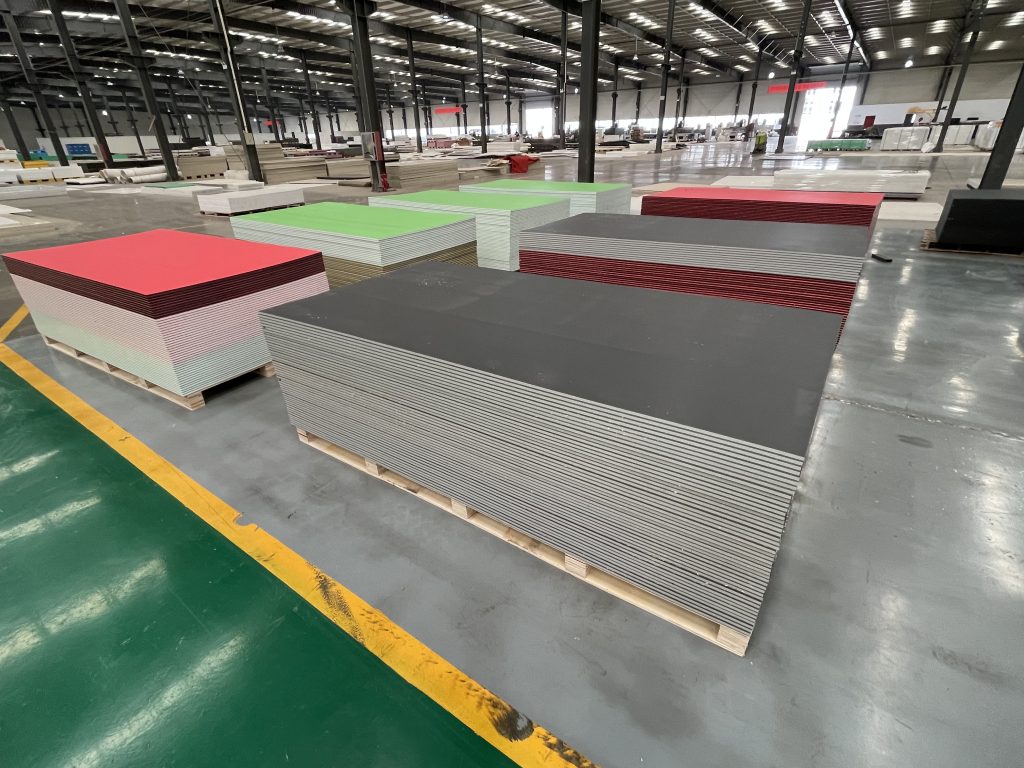
Colorful plastic boards are durable and popular for outdoor signage. These boards are made of different plastics for strength, flexibility, and weather resistance. Colored plastic sheets are lightweight and easy to manipulate, while colored plastic panels offer bright graphic displays. Both styles are utilized to make striking outdoor ads, directional signs, and decorative pieces for various contexts. Their adaptability makes them suitable for business and personal projects.
The diversity of colored plastic boards available now meets various project needs. Acrylic boards are popular for their glossy appearance and optical clarity, and high-density polyethylene (HDPE) sheets like Dual Color HDPE Sheet are strong and weatherproof for outdoor displays. For impact protection, polycarbonate panels are another option. Each choice has several colors and finishes for fine customization. Type selection relies on environmental exposure, aesthetics, and use. These adaptable boards are widely available from manufacturers and vendors.
Advantages of Colored Plastic Boards for Outdoor Signage
Due of their weather resistance, plastic boards are ideal for outdoor signage. These boards protect signage from UV, moisture, and temperature changes. Dual Color HDPE Sheet is ideal for heavy-duty outdoor use since it is wear-resistant and attractive. Colored plastic panels increase rigidity. These qualities make colored plastic boards reliable for outdoor ads, street signs, and promotions.
These boards offer many customizing choices for craft and decorative applications, another benefit. Both plastic sheets and panels available in vibrant colors, finishes, and thicknesses. Intricate graphics or patterns can make signage visually appealing while preserving professional quality. Because they are customizable and durable, these boards may be used outdoors to help businesses and creators realize their ideas. Whether used for commercial branding or creative decorating, colored plastic boards meet varied purposes and withstand environmental obstacles.
Selecting the Right Plastic Boards for Your Project
Choose the perfect plastic boards for your project by considering thickness, color, and finish. Your project’s endurance and support depend on thickness. Outdoor signage in extreme weather may benefit from thicker choices for stability. Color also makes an impact, with bright colors being good for promotional displays and decorations. Matte or glossy finishes affect the boards’ look and functionality, so choose one that matches the intended use of your colored plastic board for signs or projects.
Assess suppliers and manufacturers’ product selection, reliability, and customisation choices before choosing. Reliable suppliers offer a variety of products like high-quality colored plastic panels and superior Dual Color HDPE Sheet. Additionally, suppliers offering custom thickness and color alternatives might better meet your project requirements. For quality and service consistency. Your signs will appear better and endure longer with the correct plastic boards from reputable sources. Effective selection balances aesthetics and practicality to reach project goals.
Colored Plastic Board Cutting and Shaping Tips
Cutting and molding plastic boards demands the correct tools and procedures for clean, accurate results. Utility knives can accurately cut thinner colored plastic sheets with a straightedge. Jigsaws, circular saws, and table saws with fine-tooth blades are best for thicker boards like colored plastic panels. These blades soften edges and reduce chipping. Heat guns can bend boards into specific forms, and clamps stabilize them. Masking tape on the cutting line prevents scratches and preserves the color.
Avoiding fractures and sharp edges while cutting colored plastic boards is difficult. This requires sharp, high-quality tools and slow effort to retain control. Heat can warp plastic during high-speed cutting, so take breaks to cool. Project complexity affects method selection. Delicate designs on colored plastic boards for signage may require laser cutting, although straight lines can be cut using ordinary saws. Crafting durable and attractive boards is easy with the right equipment and techniques.
Where to Buy Colored Plastic Boards
Choose trusted suppliers or manufacturers for plastic boards to assure project quality. Start by investigating suppliers of durable colored plastic sheets and panels for a wide range of sign, craft, and decoration choices. Find suppliers of Dual Color HDPE Sheet. Reputation and quality of colored plastic materials can be determined by reviews and testimonies. Many manufacturers offer bulk purchasing.
At Zhihong Plastic, we specialize in crafting high-quality colored plastic boards that combine durability, versatility, and vibrant aesthetics. Our products are carefully designed to meet the needs of outdoor signage, decoration, and creative projects. With advanced manufacturing techniques, we deliver materials that offer excellent weather resistance, easy customization, and reliable performance in any environment. Choose Zhihong Plastic for your specific solutions. Explore our products today and experience the difference in superior craftsmanship.
For the full range of through-colored options, see our HDPE color core sheets overview.
Deep-Dive Technical Notes
HDPE Textured Sheet From Manufacturer Zhihong Plastics
Textured vs. Smooth HDPE Sheets
Through careful pattern engineering, different surface textures set HDPE textured sheet alternatives apart from their smooth equivalents. To improve usefulness in various applications, manufacturers build diamond, crosshatch, and linear patterns on textured HDPE surfaces. The HDPE sheet textured finish spans from delicate micro-textures for light-duty applications to aggressive patterns for heavy industrial applications. Thus, these variances affect slip resistance and friction coefficients. In addition, smooth HDPE sheets provide homogeneous surfaces for chemical tanks and food processing equipment. However, textured HDPE plastic sheets offer better traction for walkways and truck bed liners. The production of high-density polyethylene textured sheet requires specific roller systems. Performance comparisons show considerable variations between smooth and HDPE sheet with texture options across applications. Marine areas demand textured surfaces for safety, whereas labs prefer smooth surfaces for cleaning. Textured industrial flooring is more durable due to fewer wear patterns. Compared to smooth sheets, HDPE textured sheet production costs 15-20% more. However, improved safety and service life often justify the extra cost. Installation costs are comparable between both choices.
Key Textured HDPE Properties and Benefits
Chemical resistance makes HDPE textured sheet materials resilient in tough industrial situations. These textured HDPE surfaces maintain function after exposure to acids, alkalis, and organic solvents. Weatherability characteristics also maintain performance during high temperature, moisture, and atmospheric pollutants. In outdoor applications, high-density polyethylene textured sheet outlasts other materials. Due to their impact strength, these materials can withstand high mechanical stress without splitting or deforming. Textured HDPE plastic sheet is suited for demanding industrial applications due to its resilient molecular structure. UV resistance prevents photodegradation of HDPE sheet with texture materials in the sun. Outdoor installations have decades of strength and beauty without brittleness or color fading. Additionally, the HDPE sheet textured finish provides non-slip surface benefits for occupational safety. Wet situations make smooth materials dangerous, while HDPE textured sheet choices stay traction. These HDPE sheet properties also improve maritime, construction, and industrial performance. At last, safety-critical applications requiring stable long-term performance standards choose textured surfaces because their improved grip reduces liability and extends operational life cycles.
Common HDPE Textured Sheet Uses
Today's construction workers use HDPE textured sheet materials for safety-critical tasks. Flooring and pathway installations benefit from improved grip, especially in high-traffic, moisture-prone locations. Wall cladding uses textured HDPE to protect structural parts and enhance aesthetics and weather protection. Industrial construction protective barriers use these materials to protect persons and equipment from impact damage. The HDPE sheet textured finish performs well in marine construction, docks, and offshore structures. High-density polyethylene textured sheet alternatives provide architects and engineers durable and slip-resistant solutions for interior and external applications. Textured plastic sheet for industrial use is used for equipment linings and chemical containment. The HDPE sheet with texture materials protect storage tanks, processing equipment, and conveyor systems against corrosion and mechanical wear. Geomembrane and environmental projects require HDPE geomembrane textured sheet for landfill development and waste containment. For municipal solid waste, hazardous material storage, and groundwater protection projects, environmental engineers specify these materials. The textured HDPE plastic sheet also serves mining, agriculture, and water treatment. At last, waste containment systems use HDPE textured sheet materials for long-term environmental protection and structural integrity in tough underground environments. Zhihong Plastics makes premium HDPE textured sheets for the toughest industrial and environmental conditions. Our products are safe and durable due to their chemical resistance, UV stability, and grip performance. We provide reliable surfacing, geomembrane, and industrial containment materials that exceed industry standards. Our high-tech manufacturing processes guarantee quality and surface texturing for optimal performance.
Fiber Reinforced PP Board Solutions for Industrial Applications
What Is Fiber Reinforced PP Board
Fiber reinforced PP board combines a polypropylene matrix with continuous or chopped glass fibers. Manufacturers blend these components during extrusion to lock structural reinforcement directly into the polymer matrix. This process significantly improves tensile strength, stiffness, and thermal stability compared to homopolymer or copolymer sheets. Furthermore, the material maintains the inherent chemical inertness of base polypropylene. Standard polypropylene melts or softens near 100 degrees Celsius, but fiber reinforcement raises heat deflection thresholds significantly. Facilities handling hot acids, caustic solutions, and industrial wastewater rely on this stability. Additionally, the added fibers stop thermal expansion and contraction cycles from warping large fabricated structures.
Key Technical Properties
Engineers evaluate thermoplastics based on specific mechanical and thermal metrics. Fiber reinforced PP board excels across multiple laboratory tests, making it a reliable choice for structural fabrication. High tensile strength handles heavy mechanical loads without permanent deformation. Low thermal expansion rates keep large welded tanks dimensionally stable. Excellent chemical resistance protects against strong acids, bases, and organic solvents. Superior impact resistance prevents cracking during transport and installation. Good dimensional stability ensures precise machining tolerances during CNC routing. Compared to standard polypropylene PP sheet options, reinforced grades offer double the rigidity. This rigidity lets fabricators build larger tanks with thinner walls, which reduces material costs without sacrificing structural integrity.
Manufacturing and Fabrication Methods
Working with fiber reinforced PP board requires specific tools and techniques. Workshops handle cutting, welding, and thermoforming using standard industrial equipment, but operators adjust speeds to account for abrasive glass fibers. CNC routers equipped with carbide or diamond-tipped bits deliver clean edges during cutting. When joining panels, extrusion welding and hot gas welding create seamless, leak-proof joints. Fabricators frequently pair these boards with specialized FRPPP sheet materials to match specific pressure ratings in chemical processing lines. For specialized piping and secondary containment projects, technicians also integrate polypropylene homopolymer PPH sheet components to maintain uniform material chemistry throughout the system.
Industrial Applications
Heavy industries demand materials that endure harsh operating cycles. Fiber reinforced PP board serves numerous sectors where metal corrodes and standard plastics fail. Chemical processing plants install these boards inside reaction vessels, plating tanks, and fume scrubbers. The material resists aggressive chlorine, sulfuric acid, and sodium hydroxide solutions. Water treatment facilities utilize the panels for filter press plates and baffle walls. Marine and agricultural operations also benefit from this material. For instance, builders construct large aquaculture containment systems using PP aquaculture tank sheet products, while heavy-duty industrial flooring projects often integrate HDPE anti slip road mat options for temporary access paths. Each application takes advantage of specific polymer traits to solve unique engineering challenges.
Advantages Over Alternative Materials
Choosing fiber reinforced PP board over metals and unreinforced plastics yields distinct operational benefits. Steel structures corrode quickly in chemical environments, requiring expensive coatings or frequent replacement. Thermoplastics eliminate rust completely, cutting long-term maintenance costs. Compared to unreinforced sheets, reinforced boards resist sagging under heavy liquid loads. This stiffness allows engineers to design taller tanks with fewer external support ribs. Furthermore, the lightweight nature of polypropylene makes installation easier and safer for field crews.
PPAB Anti-Block Sheet: Features and Applications
What Is PPAB Anti-Block Sheet
Polypropylene homopolymer and copolymer blends receive specific anti-blocking agents to form this unique board. Manufacturers disperse microscopic particles evenly throughout the plastic mixture. These tiny particles create microscopic surface roughness on the sheet. Consequently, air gaps form between stacked panels, which stops the layers from vacuum-sealing together. The base polymer offers high tensile strength and chemical inertness. Acids, bases, and moisture fail to degrade the plastic structure over time. Workers cut, bend, and weld the panels using standard workshop equipment. Therefore, fabrication shops complete projects quickly without investing in specialized tools.
Benefits of Anti-Blocking Polypropylene
Layer separation ranks as the primary benefit of this material. Operators save valuable time because stacked sheets lift apart immediately without manual prying. Furthermore, the specialized surface prevents scratching and surface marring during transit and warehouse storage. Chemical resistance protects the panels in aggressive industrial environments. Factories use these boards near corrosive agents without risking material failure. Additionally, the lightweight nature of polypropylene makes manual handling safe and simple for installation crews.
Industrial Applications
Packaging lines and thermoforming operations utilize polypropylene anti-block ppab sheet materials to feed automated machinery smoothly. Machines pull individual sheets from stacks without jamming or misfeeding. Chemical storage tanks and lining systems benefit from polypropylene homopolymer pph sheet variants. These boards resist aggressive liquids while maintaining structural stability under heavy fluid loads. General fabrication projects often incorporate standard polypropylene pp sheet options for partitions, ductwork, and equipment housings. The material offers reliable performance across diverse manufacturing sectors. Aquaculture facilities install pp aquaculture tank sheet products to build durable fish tanks. The non-toxic polymer resists constant moisture and harsh cleaning chemicals safely. Plumbing and piping infrastructure projects utilize ppr sheets polypropylene random copolymer ppr sheet materials for hot water systems. These specialized boards withstand elevated temperatures without losing integrity.
Technical Specifications
Understanding material properties ensures proper application in demanding environments. Polypropylene balances rigidity with adequate impact resistance. Fabricators shape the panels easily through thermal bending or mechanical fastening. Specific gravity remains low, averaging around 0.90 grams per cubic centimeter. Tensile yield strength supports moderate structural loads reliably. Thermal resistance accommodates continuous operating temperatures up to 90 degrees Celsius. Moisture absorption stays below zero point one percent.



