

Dual-color HDPE sheet lamination is necessary for making robust, adaptable materials for outdoor and chemical-resistant applications. Dual layer HDPE sheet lamination, adhesive selection, surface preparation, and temperature optimization are covered in this step-by-step instruction. Pressure control and thickness consistency are frequent issues. Vacuum lamination and thermal approaches will be discussed. Zhihong Plastic will also discuss precision laminating equipment and how temperature control affects durability. Learn the technique and get high-quality dual-color HDPE sheets.
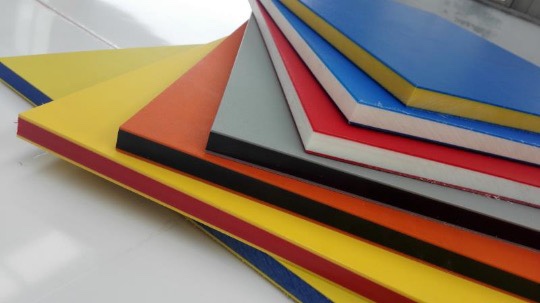
What Are the Dual Color HDPE Sheet Lamination Steps?
1. Dual-color HDPE Sheet Surface Preparation
Proper surface preparation allows robust dual color HDPE sheet lamination adhesion. Surface cleaning removes dust, dirt, and oils that degrade bonds. Wipe linens thoroughly with a moderate detergent or alcohol-based cleaning. Dry the surface completely after cleaning to avoid moisture interference. Next, prime the surface. Use a HDPE primer to improve adhesiveness. This phase strengthens and preserves the relationship. Clean and prime to provide a smooth lamination process and prevent delamination.
2. Selecting HDPE Sheet Lamination Adhesive
Dual-color HDPE sheet lamination requires the correct glue. Chemically resistant and durable adhesives are best for outdoor and industrial use. Polyurethane-based adhesives bond well, making them popular. The adhesive’s curing time and temperature should also match your production setup. To check compatibility, test the adhesive on a tiny HDPE sheet. Prefer quality and compatibility for adhesive selection. Lamination is durable and trustworthy with the right glue.
3. Optimizing HDPE Sheet Lamination Temperature
Dual-color HDPE sheet lamination requires temperature tuning. Stay consistent in temperature throughout lamination to avoid uneven bonding. Insufficient heat can weaken adhesion, while excessive heat might distort sheets. Monitor and modify heat with a temperature-controlled laminator. Also examine the adhesive’s temperature tolerance to avoid degradation. Temperature optimization provides perfect lamination and increases sheet durability. High-quality results and defect prevention need heat management.
4. Controlling HDPE Sheet Lamination Pressure
Pressure management is also important in dual-color HDPE sheet lamination. For reliable bonding, press the sheets evenly. Uneven pressure can generate air pockets or weak regions. Use a calibrated roller or press to evenly distribute pressure. Check pressure settings to meet HDPE sheet thickness and characteristics. Proper pressure control strengthens bonds and prevents delamination. Pressure must be applied consistently for faultless lamination and sheet integrity.
5. Two-color HDPE sheet vacuum lamination
Vacuum lamination is an innovative dual-color HDPE sheet laminating method. This approach eliminates air pockets and ensures layer adhesion. Apply controlled heat and pressure to HDPE sheets in a vacuum chamber. Vacuum removes air. Complex or large-scale applications benefit from vacuum lamination. It improves laminated sheet quality and durability. Precision and improved results for dual-color HDPE sheets are achieved using vacuum lamination.
How Does Lamination Affect Dual-Color HDPE Sheet Durability?
Dual color HDPE sheet lamination greatly affects product durability. Thermal lamination uses controlled heat to activate the glue and strengthen the binding between layers. The glue may not adhere well at low temperatures. In contrast, extreme heat can weaken HDPE sheets. Durability also depends on adhesive quality. High-quality adhesives resist UV radiation and chemicals.
Surface preparation also extends dual-color HDPE sheet life. Priming promotes adhesive adhesion to HDPE, while cleaning removes impurities. Lamination may fail early without proper surface preparation, especially in severe environments. To eliminate weak regions and delamination, lamination must provide uniform pressure and temperature. These qualities make laminated sheets durable. Manufacturing lasting dual-color HDPE sheets that meet high performance standards requires thermal lamination, adhesive quality, and surface preparation.
What Equipment Is Needed to Laminate Dual-Color HDPE Sheets?
Dual-color HDPE sheet lamination requires specific equipment for precision and quality. Maintaining consistency requires lamination equipment with temperature and pressure control. These devices allow operators to alter settings for HDPE sheet thickness and material. Rollers or hydraulic presses apply uniform pressure to prevent air pockets and strengthen bonds. Precision dispensers distribute adhesive evenly. These tools simplify laminating and strengthen laminated papers.
Specialized vacuum and thermal laminating equipment improves dual-color HDPE sheets. In vacuum laminators, trapped air is removed for flawless bonding. These machines excel at difficult or large-scale tasks. However, thermal laminators activate adhesives and strengthen bonds using regulated heat. They have superior temperature regulating mechanisms to prevent lamination quality loss from overheating or underheating. These specialized tools help producers meet industrial and outdoor application demands with high-performance solutions.
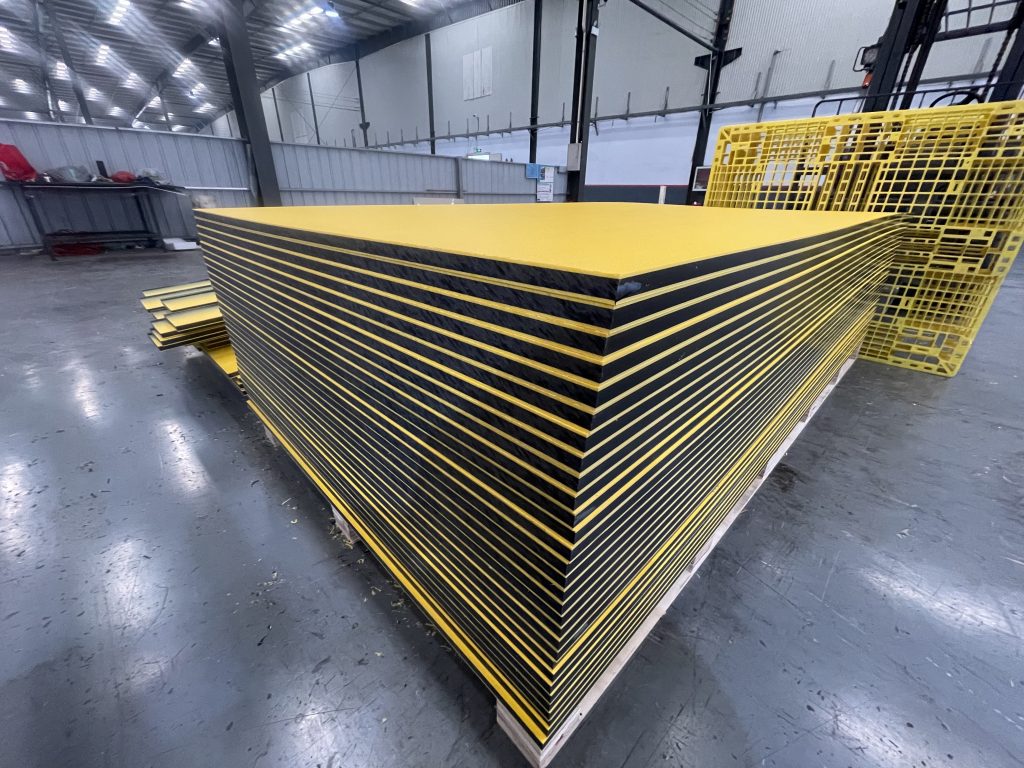
Zhihong Plastic stands as a trusted leader in the field of high-performance engineering plastics, delivering precision and innovation in every product. With over a decade of expertise, we are committed to providing durable, reliable, and expertly crafted dual-color HDPE sheets that meet the highest industry standards. By choosing Zhihong, you are investing in quality, advanced technology, and a partner dedicated to your success. Let us help you achieve excellence in your projects.
Before you order, check our HDPE sheet price comparison to see how specifications affect cost.



