

Testing high-density polyethylene sheet tensile strength is necessary for assessing its mechanical qualities. This detailed reference covers HDPE sheet tensile stress analysis, PE100 sheet elongation at break testing, and load capacity. Accurate findings are achieved by understanding temperature, thickness, and tensile testing criteria. Stress-strain curve analysis, yield strength testing, and fracture resistance analysis are important. This book answers common concerns about standard techniques, typical tensile strength values, and the importance of tensile modulus and ultimate tensile strength (UTS) in material performance using advanced technology and accurate methods.
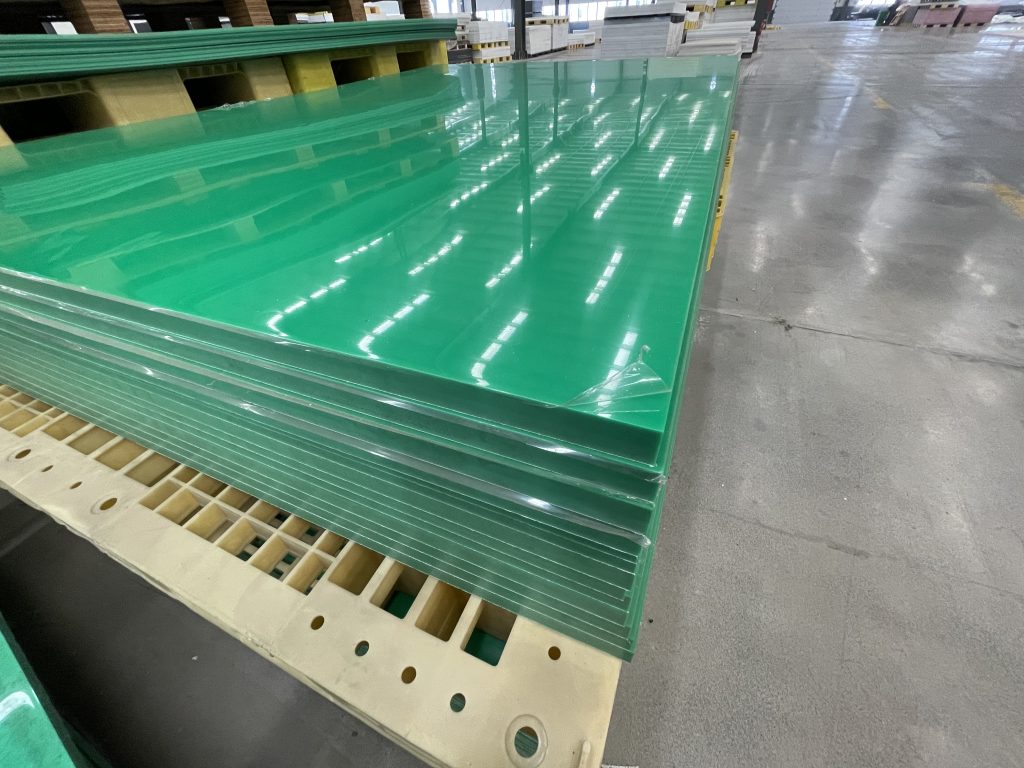
Standard HDPE Sheet Tensile Strength Testing Procedure
To achieve accuracy and reliability, HDPE sheet tensile strength testing is methodical. To ensure consistent testing, technicians prepare HDPE sheet samples to specified dimensions. After conditioning, they stabilize the samples under controlled temperature and humidity. Next, they position the samples on a universal testing machine with precision grips to avoid sliding. The machine steadily increases tensile load until the sample breaks. This stage measures important characteristics such tensile stress.
Universal testing machines with modern load cells and extensometers assess HDPE sheet tensile strength. These machines measure tensile load capacity and create stress-strain curves for analysis. HDPE sheet tensile testing standards like ASTM D638 or ISO 527 provide precision and repeatability. Mechanical parameters like tensile modulus and yield strength are also evaluated using the standards. The equipment and processes account for temperature and thickness fluctuations to provide complete HDPE sheet tensile stress analysis and PE100 sheet fracture resistance data.
Factors of HDPE Sheet Tensile Strength
Temperature changes HDPE sheet molecular structure and mechanical properties. HDPE sheets lose tensile strength as polymer chains soften at high temperatures. At lower temperatures, the material stiffens. These variances emphasize the need for controlled temperature tensile strength tests for accurate results. Understanding HDPE sheets’ temperature-dependent behavior helps choose applications and locations.
HDPE sheet tensile strength also depends on thickness. Thicker sheets have higher tensile load capacity because their cross-sectional area distributes stress better. Thinner sheets stretch more before breaking, hence they may have higher elongation at break. These variations highlight the need of exact thickness measurements in HDPE sheet tensile stress analysis and PE100 sheet stress-strain curve evaluation. Thickness also affects HDPE sheet tensile testing requirements, thus it must be considered during testing. Engineers can ensure HDPE sheet performance and durability in various applications by handling temperature and thickness fluctuations.
Key HDPE Sheet Tensile Strength Testing Parameters
HDPE sheet tensile strength testing evaluates the material’s stress performance by analyzing various necessary factors. HDPE sheet tensile stress analysis assesses the material’s resistance to force. This research reveals the sheet’s mechanical response under load. For flexible and durable applications, PE100 sheet elongation at break testing analyzes the material’s stretchability. These tests verify that the material meets industrial and structural performance standards.
HDPE sheet tensile load capacity—the highest force the material can withstand before failure—is also important. Whether the sheet is suitable for high-stress situations depends on this measurement. By charting stress and strain during testing, PE100 sheet stress-strain curve evaluation improves mechanical property comprehension. This graph shows yield strength, ultimate tensile strength, and elastic modulus critical points. These metrics evaluate the material’s mechanical performance.
Evaluation Mechanical Properties
HDPE sheet mechanical strength testing assesses its resistance to force. This test measures the sheet’s mechanical stress resistance. PE100 sheet yield strength measurement determines the stress level at which the material permanently deforms. These tests guarantee the material meets performance and operational durability criteria.
HDPE sheet tensile modulus testing measures elastic deformation stress-strain ratios to determine stiffness. Applications that require precision load-bearing need this characteristic. PE100 sheet fracture resistance analysis ensures long-term performance and safety by assessing crack propagation under stress. These mechanical property assessments help engineers choose the best HDPE sheets for their applications by revealing the material’s behavior.
Common HDPE Sheet Tensile Strengths
HDPE sheet tensile strength testing shows material grade and application-specific results. Tensile strength ratings for conventional HDPE sheets are 20–37 MPa. The material can endure heavy loads thanks to these qualities. Due to their increased qualities, PE100 sheets frequently have higher tensile strength. Engineers need these data to evaluate the material’s appropriateness for projects.
HDPE sheet ultimate tensile strength (UTS) across applications shows its adaptability. In high-load applications like piping systems and structural components, UTS values determine material reliability. Flexible applications like liners and geomembranes require a balance between tensile strength and elongation. PE100 sheet stress-strain curve study helps optimize performance across multiple applications by knowing the material’s behavior under different loads. These typical tensile strength ratings help industry choose materials and create applications.
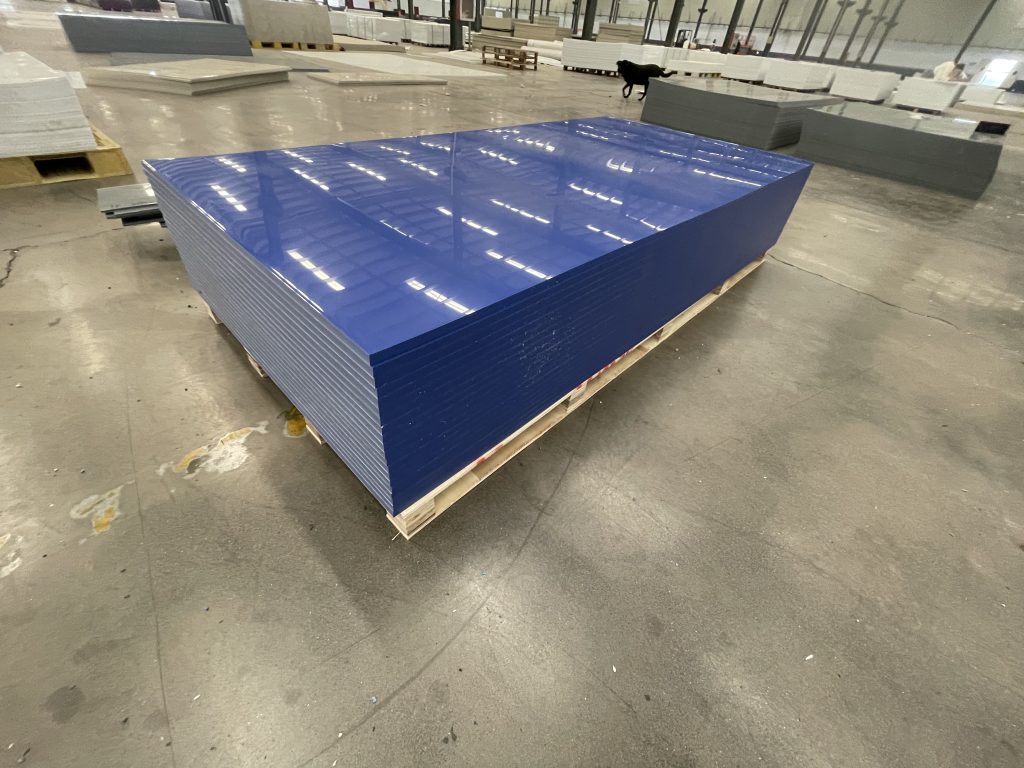
Zhihong Plastic is a trusted leader in the field, providing high-performance engineering plastics while always looking for new ways to improve. Zhihong has been in business for more than ten years and makes sure that every product meets strict industry standards. This means that they can be used in a wide range of situations. Choose Zhihong for high quality HDPE sheet.
For a complete breakdown of what affects sheet pricing, see our HDPE sheet cost guide.



