

Balancing plastic board price and quality requires more than simply a price tag. Plastic sheet cost is affected by thickness, durability, and material composition. Do plastic boards cost less than wood? Its long-term worth compared to other materials? Like these, plastic panel pricing and the typical cost of plastic boards are important to making an informed purchase. This guide will help you balance quality and price to locate plastic boards that fit your demands.

Factors That Affect the Price of Plastic Boards
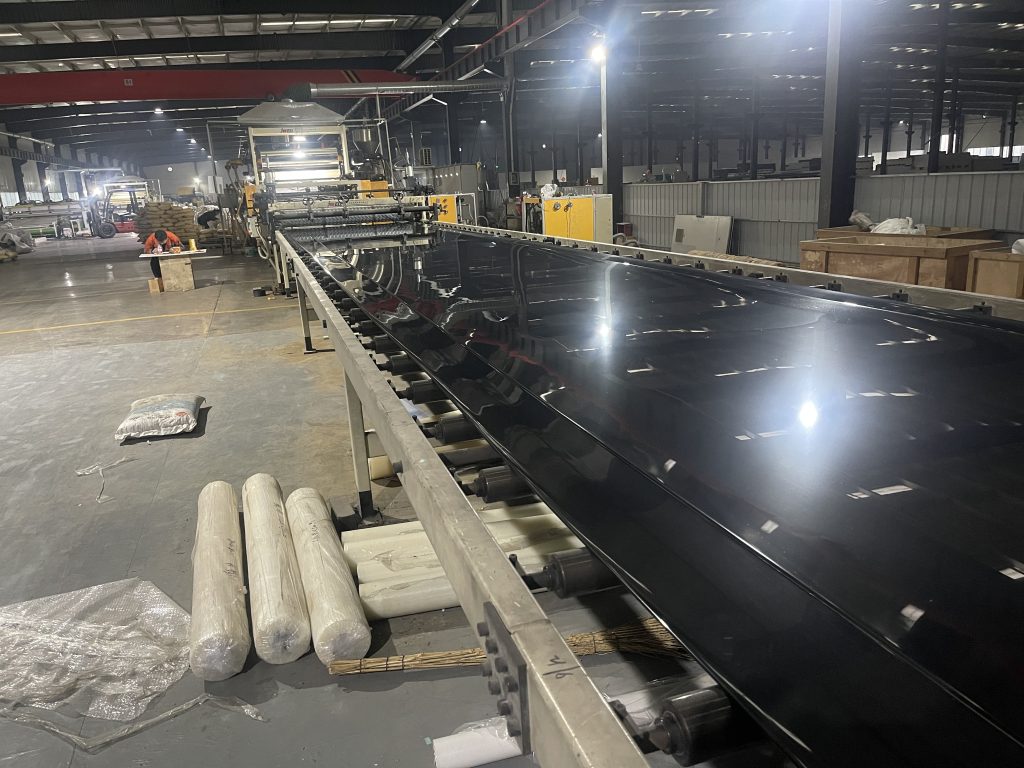
Plastic panel pricing is heavily influenced by material composition. Due to its durability and environmental resilience, polycarbonate and acrylic boards cost more. Lower-quality plastic boards like PVC are cheaper but may function poorly. Thickness affects plastic board price. Thicker boards cost more to make because they use more raw materials. Thicker boards are stronger and last longer. Material and thickness determine durability.
The cost of plastic boards depends on manufacturing. Extrusion and injection molding improve precision but increase production costs. Plastic board price changes depend on supply chain dynamics as well. High demand or restricted raw material availability might raise prices, but efficient logistics and bulk production can lower them. Market demand, especially for specialist boards, drives pricing. Industrial boards may be more expensive due to their qualities. These parameters help customers compare the cost of plastic board.
How Thickness Influences Plastic Board Price
Due to the larger volume of raw materials used during production, thicker boards have a considerable impact on plastic sheet cost. The cost of plastic board rises because manufacturers employ more polymers to reduce thickness. Thicker boards also require more quality tests to assure endurance. These boards are perfect for industrial flooring and structural components because to their strength and wear resistance. This resilience costs more, so purchasers must factor it into plastic panel pricing.
Although thinner boards are cheaper, they may not be strong enough for heavy use. These boards are ideal for lightweight, cost-effective signage and temporary dividers. Thinner boards lower the cost of plastic board, but they may need to be replaced more often in high-stress settings. Buyers must balance initial savings with replacement costs. Thus, understanding the relationship between thickness and plastic board price helps buyers choose the correct product for their needs.
Average Price Range for Plastic Boards
Plastic board price varies greatly by material and thickness. Standard PVC boards, used for signs and lightweight applications, cost $10 to $30 per sheet. Acrylic boards, recognized for their clarity and durability, cost $40 to $150 for thicker, high-quality alternatives. Polycarbonate boards. Due to higher material utilization, thicker boards cost more.
Plastic boards are priced differently based on their applications. Thin plastic sheets, used for temporary dividers or craft projects, cost $5 to $15 per sheet. Heavy-duty industrial-grade boards like polycarbonate panels cost more due to their durability and functionality. When considering plastic panel pricing, buyers should also consider shipping and cutting expenses. Buyers can get the most affordable solutions by comparing vendor costs and analyzing material, thickness, and application.
Balancing Plastic Board Price and Quality
To avoid overspending, plastic board price and quality must be balanced strategically. Buyers should first determine their application and durability needs. Outdoor boards may need UV resistance, while indoor boards may prioritize aesthetics. Evaluation of material composition is important since high-grade polymers like polycarbonate perform better but cost more. Buying thicker boards increases plastic sheet cost but strengthens them. Comparing vendor samples or specs improves quality assessment.
Understanding long-term value and maintenance requirements helps choose the best plastic board. Although more expensive, durable boards lower replacement costs over time. Warranties and certifications show product reliability, therefore buyers should check them. Source from recognized vendors for consistent quality and fair plastic panel pricing. Cheapen prices by negotiating bulk discounts or buying during promotions. Buyers can choose plastic boards that match their price and performance objectives by considering immediate and long-term needs.
Where to Find Affordable Plastic Boards
Finding economical plastic boards needs rigorous vendor reviews and sourcing possibilities. Our high-quality plastic boards are an excellent compromise between price and performance, and we provide them at Zhihong Plastics. Our products are affordable, long-lasting, and adaptable, so they can fulfill a wide range of project needs.
Regardless of whether you require sturdy boards for commercial applications or more portable alternatives for artistic pursuits, we provide customized solutions. You can rely on us to help you achieve long-term efficiency without sacrificing quality, all while focusing on value and reliability. You can rely on Zhihong Plastics to provide you with cutting-edge materials for your projects, guaranteeing both affordability and long-term satisfaction. Learn more about what we sell by visiting our website right now.
If you are budgeting colored panels, our HDPE color core sheet pricing page breaks down what affects cost.
Deep-Dive Technical Notes
Wholesale HDPE Ground Mats For Bulk Orders
What Are HDPE Ground Mats Used For?
Many businesses use HDPE ground mats for reliable ground protection in difficult conditions. Construction businesses use these mats to stabilize heavy machines on uneven or soft ground for safety and efficiency. Large events utilize them to protect grass and delicate surfaces from foot traffic and equipment. Landscapers also use HDPE ground mats to protect soil and vegetation when moving goods or operating machines. These mats improve operational efficiency and reduce environmental impact. Especially important is their ground damage prevention. High-density polyethylene is strong and durable, distributing weight uniformly to lessen ground pressure. Heavy machinery benefits from this characteristic since it prevents soil compaction and surface deformation. To prevent accidents in wet or muddy situations, the mats' non-slip surface provides stability. HDPE ground mats protect delicate surfaces from ruts, fractures, and other damage by separating machinery from the ground. Their adaptability and efficacy make them necessary for enterprises seeking affordable and eco-friendly ground protection.
Durability and Strength of HDPE Ground Mats
Durable HDPE ground mats are ideal for companies that need strong ground protection. Even in extreme weather, their high-density polyethylene material resists cracking. These carpets remain sturdy at various conditions, from freezing to boiling. Their durability and performance under frequent usage minimize replacement costs and improve operational efficiency. They are ideal for projects that need reliable ground support due to their longevity. Strength lets them easily handle large equipment. HDPE ground mats evenly distribute weight. Their non-slip surface improves traction. Construction, oil, and gas industries use these mats to support cranes, excavators, and other heavy machines without damaging the ground. They operate well in the toughest conditions due to their pressure and deformation resistance. So, HDPE ground mats are a cost-effective and practical alternative for enterprises that need solid ground protection.
Benefits of HDPE Ground Mats Over Other Materials
HDPE ground mats outperform traditional ground protection products in several sectors. HDPE ground mats are lighter than wood or metal. Their portability cuts personnel expenses and boosts jobsite efficiency. These mats also withstand high temperatures, rain, and sun. Durability ensures consistent protection and eliminates frequent replacements. Eco-friendliness is another benefit of HDPE ground mats. Recyclable carpets reduce environmental effect and promote sustainability. Due to their non-absorbent surface, moisture, chemicals, and toxins do not accumulate. HDPE ground mats endure longer and require less maintenance than previous materials. HDPE ground mats are a practical and efficient alternative to conventional choices because to its lightweight design, weather resistance, and environmental benefits.
How HDPE Ground Mats Prevent Ground Damage
HDPE ground mats' innovative design and effectiveness reduce ground damage. Their high-density polyethylene structure evenly distributes weight. The mats' textured, non-slip surface prevents heavy equipment and vehicles from rutting the ground. Their impermeable layer also shields the ground from spills, chemicals, and dampness. This shape protects the surface and reduces environmental contamination. Mats protect surfaces in construction, event, and industrial settings. Construction cranes and excavators use sturdy paths to avoid soft or uneven terrain. They protect lawns and planted areas from foot traffic and equipment during outdoor events. In isolated areas, oil and gas companies utilize HDPE ground mats to safeguard delicate ecosystems. Their versatility and constant protection make them necessary for industries seeking ground integrity and environmental protection.
Ground Mats For Heavy Equipment Things You Need To Know
What Are Heavy Equipment Ground Mats?
Heavy equipment ground mats protect, distribute weight, and stabilize machinery operations. These platforms prevent ground damage, minimise equipment sinking, and optimise operations across terrains. Contractors often utilize 4×8 ground protection mats for temporary highways and work platforms. These mats support thousands of pounds of equipment and prevent rutting, compaction, and environmental harm. Most importantly, provide sturdy foundations on soft or unstable ground to reach previously unreachable work sites. Construction and industry use several mat kinds for specific tasks. Reinforced polymer or composite construction matting for excavators, bulldozers, and cranes are common. To fulfill strong load requirements from specialist industrial equipment, ground mats for heavy machinery may have steel reinforcement or larger profiles. Timber mats are affordable for temporary purposes, while composite mats are weatherproof and durable. Thus, evaluating load capacities, ground conditions, and project duration is necessary to choose ground mats for heavy equipment that performs well and safely.
Key Ground Mat Features
When considering ground mats for heavy equipment performance and lifetime, durability is paramount. Mat load capacity determines how well it distributes weight on different ground conditions. Premium ground mats for heavy use have reinforced construction patterns and structural supports that withstand severe forces. Also, temperature resistance ensures consistent performance across seasons and climates. Most importantly, quality mats withstand numerous loading cycles and equipment traffic. The applications are directly impacted by material choice. Standard applications benefit from high-density polyethylene's chemical resistance and lightweight handling. Composite materials make strong, flexible ground mats for uneven terrain that conform to surface characteristics. For specialized industrial machinery, steel-reinforced alternatives maximize load-bearing. Soft ground mats have tread patterns and drainage channels to reduce mud buildup and improve traction. Contractors can choose ground mats for heavy equipment depending on project requirements and environmental circumstances by studying material qualities.
Ground Mat Benefits for Heavy Equipment
Ground mats for heavy machinery preserve surfaces and improve operational stability on varied project locations. These barriers spread concentrated loads over wider surfaces to preserve asphalt, concrete, and landscaped areas from costly damage. Ground mats for equipment stability establish flat working platforms on uneven terrain. These mats also prevent machinery-induced ruts and soil compaction. Above all, surface preservation protects property values and prevents costly restoration after project completion. Affordable are a good long-term investment. These mats are highly reusable. Custom enhance productivity while avoiding waste. Eliminating restoration initiatives reduces soil erosion, vegetation loss, and carbon footprint. Thus, ground mats for heavy equipment safeguard natural resources and reduce project-related environmental harm.
Selecting Ground Mats for Your Project
Multiple project-specific elements that affect performance and safety must be considered when choosing it. As soft soil, mud, sand, or rocky terrain require varied mat specifications and weight distribution, ground conditions are most important. Load requirements must match equipment weights and operational pressures to avoid mat failure or ground damage during project execution. Temporary installations may use different materials than long-term ones. Mat size selection and deployment are also affected by site accessibility and transportation. What are heavy equipment mat ground conditions? Mat deployment is perfect for equipment stability and environmental protection in saturated soils, steep gradients, and unstable surfaces. Heavy equipment ground mat prices vary greatly depending on material composition, size, and load capability. Contractors compare ground mats for heavy equipment cost per square foot to project costs and performance. Composite mats are more expensive than timber mats but last longer and are reusable. For large-scale projects, ground mats for heavy equipment pricing structures sometimes include bulk discounts. To establish project economics and long-term investment returns, cost analysis should include initial purchase prices, transportation costs, and potential resale value.



