

Harsh sunlight destroys standard plastics very quickly. Intense UV rays break polymer chains, causing cracking and fading over time. Engineers combat this problem by specifying a UV stabilized HDPE sheet for exposed industrial projects. High-density polyethylene features exceptional chemical resistance and toughness, and adding specialized ultraviolet inhibitors extends its outdoor service life significantly.
Outdoor structures demand materials that endure extreme weather without losing structural integrity. Standard polymers degrade within months under direct sunlight. Premium HDPE sheet options infused with carbon black or hindered amine light stabilizers withstand decades of solar exposure. These compounds absorb or block harmful radiation before it damages the internal matrix.
Sunlight exposure creates severe challenges for outdoor industrial setups. Facilities often select marine grade HDPE sheet variations for coastal boardwalks and boat docks. These specialized polymer boards resist salt spray, moisture absorption, and constant UV radiation without rotting or splintering.
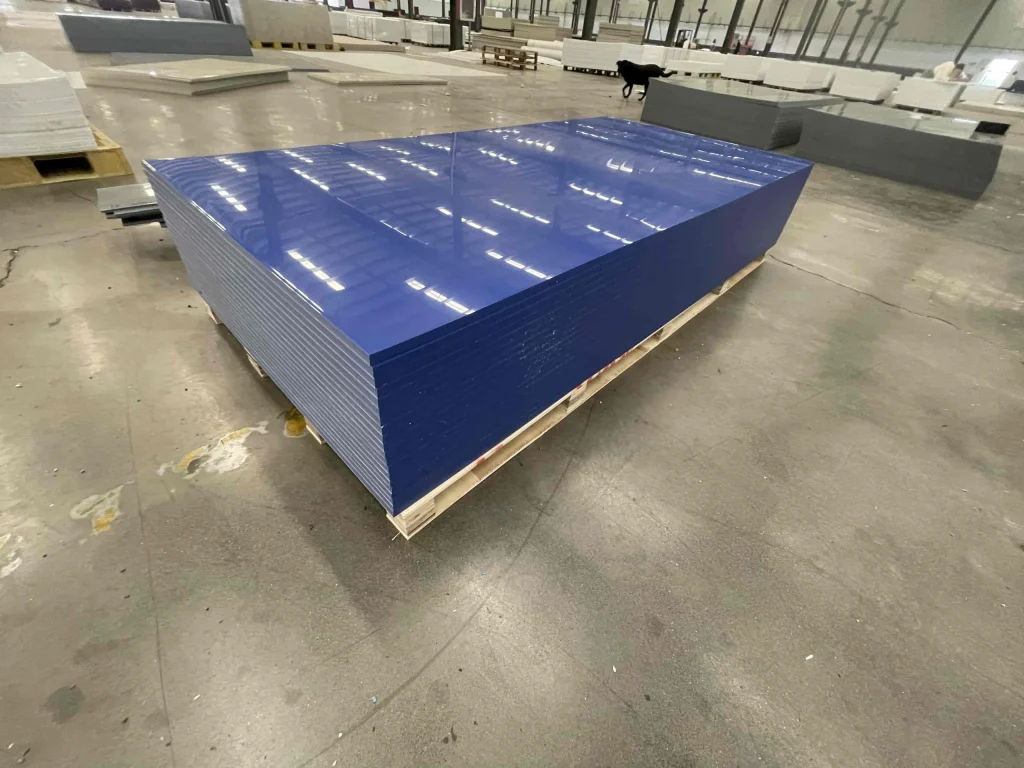
Material Characteristics of Ultraviolet Resistant Polyethylene
Engineers value this polymer for its unique combination of mechanical properties. High tensile strength allows the material to bear heavy loads without permanent deformation. Furthermore, the low friction coefficient prevents dirt accumulation on exposed surfaces.
Weather resistance depends heavily on proper pigment dispersion. Carbon black grades offer maximum protection against ultraviolet degradation because pigment particles absorb light energy effectively. Facilities typically install black sheets for agricultural piping and livestock enclosures.
Heavy duty operations often require thick panels for structural support. Contractors frequently utilize a durable HDPE plate high density polyethylene plate when building outdoor chemical storage tanks. These thick barriers contain aggressive fluids safely while enduring intense summer heat.

Standard color pigments also receive ultraviolet inhibitors during manufacturing. Specifiers select various hues for architectural panels and playground equipment. These colored barriers maintain visual appeal and structural safety for many years.
Industrial Applications in Extreme Environments
Agricultural facilities rely heavily on durable polymer panels for animal housing and waste management systems. Manure pits and silage bunkers require materials that resist chemical corrosion and solar degradation. Farmers install thick polymer sheets to line storage pits securely.
Civil engineering projects demand reliable ground protection during construction seasons. Contractors deploy sturdy HDPE anti slip road mat assemblies across muddy jobsites. These heavy pads distribute vehicle loads evenly and prevent equipment from sinking into soft soil.

Aquaculture operations utilize specialized plastic containers for fish farming and water filtration. Outdoor tanks face constant exposure to sunlight and water movement. Specifiers choose specialized polymer sheets to construct large fish ponds that resist algae growth and weathering.
Outdoor signage and billboard frames require rigid plastic substrates that withstand high winds and thermal expansion. Polymer sheets provide flat mounting surfaces that do not warp under intense sun exposure. Maintenance teams appreciate the low upkeep requirements of these durable panels.
Manufacturing Processes and Quality Standards
Production factories extrude high-grade resin pellets into smooth or textured panels. Precise temperature control during extrusion ensures uniform thickness across the entire sheet. Quality inspectors measure dimensional tolerances carefully before packaging finished goods.
Stabilizer distribution determines long-term weathering performance. Manufacturers blend carbon black or chemical inhibitors thoroughly into the molten polymer before shaping. This thorough mixing prevents weak spots where sunlight could initiate polymer chain scission.
Surface texture selection improves functionality in specific environments. Textured finishes conceal minor scratches and reduce glare on sunny days. Facilities often choose a specialized HDPE textured sheet for slip-resistant walkways and truck bed liners.

Testing laboratories subject material samples to accelerated weathering chambers. These machines simulate years of intense solar radiation and moisture cycles within weeks. Technicians measure tensile strength retention and color stability to verify product quality.
Installation Guidelines for Outdoor Projects
Thermal expansion requires careful planning during installation. Plastic sheets expand and contract significantly as ambient temperatures fluctuate throughout the day. Installers drill oversized bolt holes to allow panels to shift without buckling.
Fastener selection matters for long-term structural stability. Workers use stainless steel screws and washers to prevent galvanic corrosion and rust staining. Proper torque prevents stress cracking around mounting points.
Cutting and shaping require standard woodworking tools. Technicians use carbide-tipped saw blades to cut panels cleanly without melting the plastic edges. Proper ventilation helps clear plastic dust during fabrication processes.
For a complete breakdown of what affects sheet pricing, see our HDPE sheet cost guide.
Frequently Asked Questions
1. How long does an outdoor UV stabilized HDPE sheet last in direct sunlight?
Quality panels typically last between twenty to thirty years outdoors. Carbon black grades offer the longest service life because pigment particles block solar radiation effectively.
2. Can workers weld ultraviolet resistant polyethylene sheets together?
Technicians join panels easily using extrusion welding or hot gas welding equipment. Proper heat settings melt the base material and filler rod into a seamless joint.
3. Do these polymer panels absorb moisture during rainy weather?
High-density polyethylene features a near-zero moisture absorption rate. Rainwater and humidity do not cause swelling, rotting, or structural degradation.
4. What makes carbon black grades better for extreme sun exposure?
Carbon black particles absorb ultraviolet photons and convert them into harmless thermal energy. This mechanism prevents radiation from breaking the polymer bonds inside the sheet.
5. Are these plastic sheets resistant to harsh industrial chemicals?
Polyethylene resists most acids, bases, and solvents effectively. Facilities use these chemical-resistant panels safely in wastewater treatment plants and chemical processing facilities.



