

What is engineering plastic shift industries? What is it made of? Engineering plastics provide superior durability, heat resistance, and chemical stability. These materials are designed to replace standard solutions in challenging situations, from the types of engineering plastic to their specific applications. This blog, Zhihong Plastic discusses engineering plastic’s composition, benefits, and differences from other materials. You’ll learn why engineering plastic is important in modern industrial applications by exploring its qualities, uses, and production role.

What Is Engineering Plastic?
Engineering plastics have better mechanical and thermal qualities than regular plastics. These high-performance materials are engineered to withstand extreme temperatures, stresses, and chemicals. How is it different from conventional plastic? Its like polycarbonate, nylon, and acrylonitrile butadiene styrene are different from ordinary plastics. The automotive, electronics, and construction sectors require durable and reliable products, thus each type is designed for specific uses.
The types of offer unique strength-to-weight ratios and resistance. Polycarbonate is known for impact resistance, while nylon excels in wear resistance. What distinguishes engineering plastic from normal plastic? Under stress, standard plastics disintegrate quickly, whereas engineered plastics survive longer. They can replace metal. Engineering plastics are important in many industries because they balance utility and adaptability in complicated assemblies and lightweight components.
For the most demanding assemblies, a PPA GF33 sheet carries that balance into continuous 150–180°C service. The semi-aromatic step up from nylon 66 is broken down in this PPA vs PA66 comparison.
Composition and Properties
Engineering plastics are made of high-quality polymers for strength, durability, and chemical resistance. Engineering plastic—made of what? Polycarbonate, nylon, and polytetrafluoroethylene resins are common. These polymers are mixed with additives to improve UV stability, flame resistance, or conductivity. Engineering plastics minimize component weight while retaining structural integrity.
The properties of distinguish it from other plastics. It is durable and functional under harsh environments like high temperatures. Additionally, their corrosion and chemical resistance makes them reliable in industrial settings. When comparing engineering plastic vs traditional plastic, the former performs and lasts much longer than the latter.
It work in demanding situations, unlike regular plastics. These qualities make them ideal for construction, electronics, and medical devices, where endurance and precision are necessary.
A glass filled polypropylene sheet is a straightforward example of this approach: short glass fibers raise tensile strength and stiffness well above unfilled PP.
From density to real numbers. Engineering plastics are always specified by density, and density is what decides the weight of a finished sheet or machined part. Enter your size and thickness in the engineering plastic sheet weight calculator to convert it into kilograms.
Benefits of Plastic Engineering
The outperforms conventional materials in many ways. Engineering plastic—why is it preferred? It can withstand high temperatures and mechanical stress due to its unmatched strength and endurance. It thrives in aircraft and electronics due to its versatility. Lightweight construction and performance are other engineering plastic characteristics. Industries chose these materials for their chemical resistance and physical toughness.
Advantages of it go beyond durability. Adaptability allows novel production processes and complicated component designs that traditional materials cannot match. Its lower maintenance and longer lifespan make it more cost-effective than ordinary plastics. Polycarbonate and ABS, for example, offer impact resistance and accurate machining. These efficient plastics function well over time. Their mechanical reliability, flexibility, and sustainability make them important materials in modern manufacturing.
Applications
What uses of make it necessary to current manufacturing? Its thermal stability, chemical resistance, and lightweight durability make it ideal for automotive, construction, and electronics applications. Engineering plastics increase performance and fuel efficiency in vehicle under-hood components by reducing weight and retaining strength. These materials in electronics help delicate components in circuit boards and enclosures by providing insulation and structural stability.
Placing engineering plastic in place of metals highlights its advantages. These plastics are strong but lightweight. Engineering plastic characteristics like machinability and moldability enable intricate and accurate designs that metals may not support. Engineering plastic is revolutionizing performance and efficiency in medical devices that demand biocompatible materials and construction materials that need durability and low production costs. This adaptable material supports innovation, cost savings, and sustainability.
Why Industries Need It
It is necessary to modern manufacturing because of its superior characteristics and adaptability. Why is engineering plastic used in manufacturing? Its heat resistance and mechanical strength make it necessary for making robust industrial components. High temperatures and hard impacts do not affect these materials’ performance. Engineering plastic allows producers to precisely build complicated parts for automotive, aerospace, and medical technology sectors due to its flexibility.
At Zhihong Plastics, we deliver top-quality engineering plastics designed for durability and adaptability in diverse industrial applications. Our materials withstand extreme temperatures, chemicals, and mechanical stress, making them essential for sectors like automotive, electronics, and construction. Whether you’re looking for lightweight components or high-performance solutions, we provide engineering plastics that ensure reliability and efficiency. With our expertise and commitment to quality, we empower your projects to achieve lasting success.
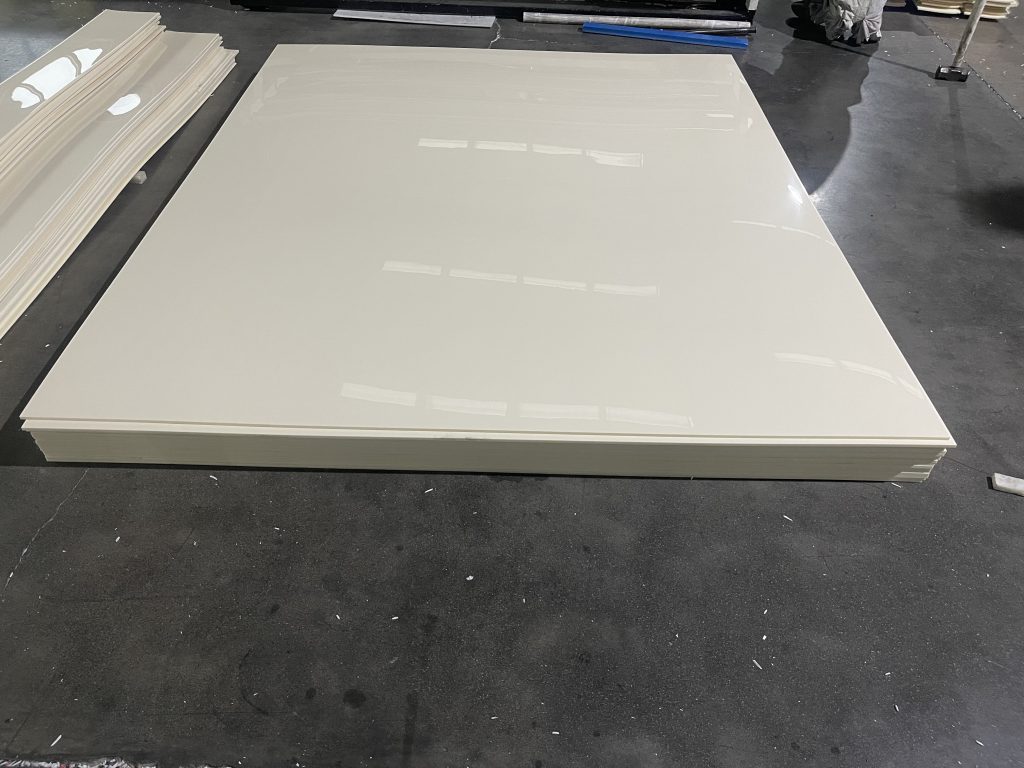
Trust Zhihong Plastics for innovative materials tailored to meet your manufacturing needs. Visit our website to explore our engineering plastics and discover the ideal solutions for your business.
Related General Plastic Sheet Guides
Explore the detailed guides below for a closer look at specific plastic sheet types, materials, and outdoor use:
- What is a plastic sheet: properties, types, and uses
- Outdoor plastic sheets: material selection and weather durability
- HDPE plastic sheets 4×8: sizes, thickness, and finishes
Deep-Dive Technical Notes
Extruded Engineering Plastics Applications Industry Guide
Core Advantages of Extruded Engineering Plastics
Why do professionals choose extruded engineering plastics over traditional metals or wood? First, these modern materials deliver exceptional impact resistance. A standard HDPE Sheet High Density Polyethylene withstands heavy daily wear easily. Next, they weigh significantly less than heavy metal alternatives. Therefore, workers handle and install them with great ease on the job site. Moreover, these plastics never rust or corrode. This feature saves companies thousands of dollars in routine replacement costs. Similarly, they resist moisture absorption entirely. Consequently, bacteria and mold cannot grow on their smooth surfaces. Food processing plants and modern hospitals value this sanitary benefit immensely. Additionally, manufacturers form these materials into almost any shape imaginable. You can cut, weld, and bend them to fit specific project requirements perfectly. Finally, many of these plastics offer excellent electrical insulation. Thus, they protect factory workers from dangerous electrical hazards in power plants. You can find more broad information about general polymer properties on Wikipedia's engineering plastic resource .
Marine and Nautical Environments
The marine industry relies heavily on extruded engineering plastics. Saltwater destroys traditional materials very quickly. Wood rots over time from constant moisture. Metal rusts when exposed to salty sea spray. Conversely, plastic materials repel water entirely. Boat builders prefer a specialized Marine Grade HDPE Sheet for their high-end vessels. This specific material serves multiple purposes on a commercial boat. For example, carpenters use it to build durable cabinetry and waterproof seating. Furthermore, dock builders construct safe walkways using these slip-resistant plastic boards. They maintain their structural integrity even under intense summer sunlight. Factory UV stabilizers prevent the material from cracking or fading prematurely. As a result, marina owners spend less time repairing damaged wooden docks. Additionally, cleaning these surfaces requires only simple soap and water. You do not need harsh chemicals to remove green algae or heavy dirt. This easy maintenance makes them a favorite among busy nautical professionals.
Chemical Processing Plants
Chemical factories present extreme environments for any building material. Acids and bases quickly degrade standard metal equipment. Therefore, engineers specify extruded engineering plastics for chemical tanks and factory piping. A standard Polypropylene PP Sheet offers outstanding chemical resistance across the board. Workers build massive industrial storage tanks from these tough sheets. The plastic contains the hazardous liquids safely without degrading over the years. Moreover, factory designers use them for laboratory fume hoods and safe ventilation systems. These systems pull toxic airborne gases away from the vulnerable workers. Similarly, industrial battery plants utilize these sheets to construct sturdy battery boxes. The material resists the strong sulfuric acid found inside industrial power cells. Furthermore, the lightweight nature of the plastic makes tank transportation much easier. Installers position large vessels without needing massive overhead cranes. As a result, the initial setup costs decrease significantly for new factories.
Fire Safety in Public Buildings
Safety standards in commercial buildings grow stricter every single year. Contractors must choose materials that resist accidental ignition. Consequently, specialized extruded engineering plastics enter the mainstream construction market. Builders often install a Flame Retardant PP Board in high-risk public areas. These specific boards self-extinguish when a primary fire source goes away. Therefore, they slow down the dangerous spread of flames during an emergency. Hospitals, schools, and large shopping malls utilize these boards for safe wall cladding. Additionally, the electrical industry uses them to line high-voltage switchgear boxes. Stray sparks from electrical shorts will not ignite the protective plastic enclosure. Furthermore, these safety boards still maintain all standard chemical and moisture resistance. You never sacrifice daily durability for essential fire safety. Thus, facility managers achieve complete compliance with strict local building codes.
When engineering plastic sheet needs to become a finished component, custom HDPE fabrication turns HDPE stock into tanks, hoppers and wear liners.
Heavy Machinery and Industrial Equipment
Heavy industry demands materials with supreme structural strength. Standard thin plastics might bend under extreme mechanical weight. However, engineers reinforce extruded engineering plastics to boost their overall rigidity. A Fiber Reinforced Polypropylene Board supports massive industrial loads easily. Manufacturers add strong glass fibers into the plastic mix during production. This specific process creates a super-strong composite material for factories. Consequently, factories use these tough boards as machine guards and heavy-duty work surfaces. Moreover, automotive companies stamp heavy car parts on top of these tough boards. They absorb the sudden impact shock completely without shattering. Additionally, agricultural machinery utilizes these boards for grain chutes and steel hoppers. The perfectly smooth surface allows harvested crops to slide easily without jamming. As a result, farmers experience fewer frustrating equipment breakdowns during the busy harvest season. Ultimately, these reinforced boards replace expensive steel parts in many mechanical applications.
Food and Beverage Industry Solutions
Food processing plants require absolutely hygienic working environments. Extruded engineering plastics provide the perfect sanitary solution for this strict industry. The FDA approves many of these specific materials for direct human food contact. Meatpacking plants use them daily as large commercial cutting boards. Because the surface lacks microscopic pores, dangerous bacteria cannot hide and multiply. Cleaners simply wash the solid boards with hot water and strong sanitizer. Furthermore, commercial bakeries use these plastics to form automated dough-handling equipment. The wet dough does not stick to the perfectly smooth plastic surface. Consequently, food production lines move faster and much more efficiently. Beverage factories also use plastic wear strips on their long conveyor belts. These strips reduce mechanical friction and prevent fragile glass bottles from breaking. Therefore, companies increase their daily output and reduce product waste simultaneously.
Medical and Pharmaceutical Applications
Laboratory cleanrooms demand pure materials that never shed microscopic particles. Extruded engineering plastics meet these extremely strict pharmaceutical requirements flawlessly. Manufacturers build custom cleanroom furniture and sterile storage cabinets from these robust sheets. Additionally, the materials withstand frequent and aggressive chemical sterilization processes. Hospital staff spray strong liquid disinfectants on them every single day. The plastic does not yellow, crack, or degrade from these harsh chemicals. Moreover, orthopedic device makers use specialized plastics to create exact trial implants. Surgeons practice their delicate procedures on these accurate plastic medical models. Thus, overall patient safety increases dramatically before actual surgeries begin. The extreme versatility of these sheets allows engineers to solve complex medical design problems. As a result, the healthcare industry depends heavily on reliable plastic extrusion technology.
Transportation and Logistics
Modern commercial transportation requires lightweight vehicle components to save expensive fuel. Extruded engineering plastics quickly replace heavy metal parts in modern trains and buses. Engineers design interior wall panels and passenger seat backs using these durable materials. Consequently, the overall weight of the public vehicle drops significantly. Transport companies spend far less money on daily diesel and electricity. Furthermore, these tough plastics resist malicious scratches and vandalism better than painted metal. City maintenance crews clean spray paint graffiti off the plastic surfaces very easily. Additionally, logistics companies line the inside of their delivery trucks with tough plastic sheets. Heavy forklifts often bump into the interior walls during busy loading times. The plastic panels absorb the physical impact and protect the expensive truck body. Therefore, fleet owners extend the working lifespan of their expensive vehicles.
Water Treatment Facilities
Municipal water treatment plants manage millions of dirty gallons daily. These facilities need highly reliable infrastructure to process public wastewater safely. Extruded engineering plastics perform perfectly in these constantly wet and dirty environments. Plant managers use them specifically to build strong baffles and weir plates. Standard metal components rust very quickly when submerged in corrosive sludge. However, plastic sheets ignore the constant moisture and acidic waste entirely. Furthermore, the smooth surface prevents sticky debris from clinging to the expensive equipment. Maintenance teams clean the large clarifier tanks much faster. Consequently, the city saves local taxpayer money on manual labor and replacement parts. Additionally, workers cut and shape the plastics right at the facility itself. They do not need expensive welding torches or heavy metalworking tools. This on-site flexibility makes facility upgrades much easier to complete on time.
How long do extruded engineering plastics last outdoors?
These durable materials last for decades in harsh outdoor environments. Manufacturers add powerful UV stabilizers directly during the extrusion process. Therefore, the plastics resist fading and cracking from direct sunlight exposure.
Can you weld extruded engineering plastics together?
Yes, trained professionals easily weld these materials using specialized hot air tools. The welded plastic joints match the exact strength of the original solid sheet. Consequently, you can build extremely large custom tanks and liquid containers.
Are extruded engineering plastics safe for food contact?
Many specific grades hold full FDA approval for direct human food contact. The completely non-porous surface blocks bacterial growth quickly and effectively. Meat and dairy plants use them daily for sanitary processing operations.
Do extruded engineering plastics resist strong acids?
These modern materials provide excellent chemical resistance to most industrial chemicals. Factories safely store dangerous sulfuric acid and alkaline solutions in plastic tanks. Always check the specific chemical compatibility chart before the final installation.
How do extruded engineering plastics compare to steel?
They weigh significantly less than steel while offering great physical impact resistance. Furthermore, plastics never rust or corrode in constantly wet conditions. As a result, they require much less routine maintenance over time.
Engineering Plastic Sheet vs Metal Which is Better?
What are Engineering Plastic Sheets?
Advanced engineering plastic sheets satisfy modern industry demands. Their lightweight, sturdy, and resilient qualities make them famous. These sheets are easier to handle and install than typical materials and resist impact and wear. They are chosen by industries for their ability to withstand chemicals and high temperatures. These materials can be used for a variety of industrial applications thanks to options like lightweight plastic sheet, high performance plastic sheet, and durable plastic sheet. Custom plastic sheet is an excellent option for specialized applications since it allows for customization for certain functionalities. Industrial plastic sheet engineering plastic sheets are used for heavy-duty applications. Custom plastic sheets offer another major category, designed to suit specific dimensions and patterns needed in areas like automotive and aerospace. Their adaptability allows them to make lightweight, strong components that save money without sacrificing quality. Their adaptability under harsh situations gives producers confidence in longevity and performance.
Engineering Plastic Sheet vs. Metal
Engineering plastic sheets outperform metal in strength and durability. Suitable for applications where metal may fail owing to rust or distortion, strong plastic sheets resist impact, corrosion, and wear. High-performance plastic sheets also withstand large loads. Metals are load-bearing, but their susceptibility to environmental deterioration and maintenance make plastic engineering sheets popular for long-term durability. Weight and adaptability also make engineering plastic sheets better than metal. Transporting and assembling lightweight plastic sheets is easier and cheaper. Plastic engineering sheet is more versatile than metals. Custom applications like airplane panels and complex medical device components benefit from their versatility. High-temperature settings challenge many metals, but some materials remain strong and stable. For instance, high-performance plastic sheets can tolerate heat changes without degrading. Their weight, adaptability, and heat resistance make them a better industrial option.
Common Engineering Plastic Sheet Uses
Engineering plastic sheets are used in many sectors due to their qualities. They're widely used in car manufacturing to make lightweight, fuel-efficient parts. Interior panels, gear housings, and bumpers are made from durable plastic sheets. These materials also help the aerospace sector save weight and survive extreme climatic conditions. Structures and insulation that must survive flight stress and temperature changes use high-performance plastic sheets. These sheets also help the building industry with roofing. Customizable engineering plastic sheets increase their use in niche industries. Custom plastic sheets allow manufacturers to produce medical device housings and electronics insulation with customized specifications. This versatility allows companies to customize designs, sizes, and functions to meet operational needs. Lightweight plastic sheets facilitate handling and installation while remaining strong and durable. In difficult applications like chemical containment and machine components, industrial plastic sheets prove their versatility. Engineering plastic sheet solutions prioritize efficiency, adaptability, and long-term performance across important sectors.
Where fire safety is mandated, a fire rated plastic sheet with a V-0 rating is the engineering-grade choice.
Functional engineering plastics include flame-retardant and ESD-modified grades; a static dissipative sheet is the standard choice for electronics work surfaces.
Our custom fabrication service supplies cut panels and the matching polyethylene welding rod for on-site assembly.



