

Compared to standard polypropylene, flame retardant PP is better for safety and durability. Fire- and heat-resistant polypropylene is a favored flame retardant plastic because it provides better protection than normal variations. How is flame retardant polypropylene created and what are its properties? The use of fire retardant polymers makes this material appropriate for electronics and construction applications that require fireproof performance. Advances in fire-resistant PP and plastic demonstrate why safety-critical sectors need flame retardant materials. In this article, Zhihong Plastics will Explore how flame retardant PP can elevate safety standards and improve performance in your projects.
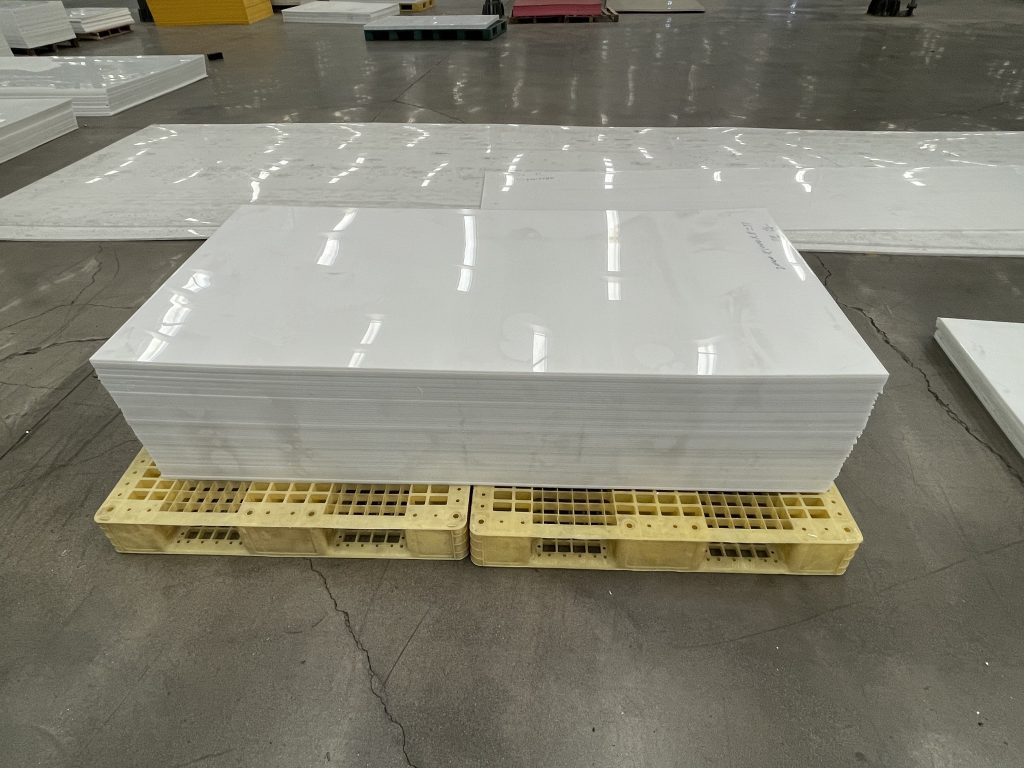
Properties of Flame-Retardant Polypropylene
The outperforms polypropylene in safety and performance. Flame retardant polypropylene is a cutting-edge material that is engineered to endure high temperatures and avoid fire. Its fire resistance makes it appropriate for safety-critical applications.
They also has novel fire-resistant pp additives that improve heat tolerance and structural integrity. These improvements make it one of the most reliable flame retardant materials for demanding industries.
The durability of ensures long-term performance. This material maintains quality under harsh conditions, unlike polypropylene. It is ideal for industries that prioritize safety and durability because to its fireproof, heat-resistant, and long-lasting qualities.
How is PP Flame-Retardant?
Polypropylene is carefully blended with modern fire retardant polymers to make they safe. Manufacturers mix basic resin with ignition-resistant additives to make flame retardant polypropylene. This procedure evenly distributes fire retardant compounds throughout the structure for consistent efficacy.
Fire retardant polymers are important to production. When heated, these chemicals form a protective barrier. Polypropylene becomes heat resistant PP when these ingredients are added.
Flame retardant materials are important because they can meet industry need for safer solutions. PP flame retardant is highly efficient in construction, electronics, and automotive applications. Its unique composition surpasses strict safety regulations and provides long-term reliability.
What are the Applications of Flame Retardant Polypropylene?
Electronics, automotive, and construction industries depend on. Its fire resistance and durability make it perfect for safe environments. Electronics makers employ to protect components from overheating and fire.
Flame resistant plastic in vehicle interiors assists the automobile industry. This substance resists ignition and contains flames. Its adaptability allows for long-term use in difficult environments.
The construction sector uses for cladding, insulation, and protection. Because of its fireproof plastic, it stops flames from spreading quickly. Flame retardant PP is safe, effective, and reliable for current safety applications.
Compare Flame Retardant PP to Other Materials
Compared to ordinary polypropylene, it is more fire-safe. Standard polypropylene cannot resist ignition. To inhibit combustion and reduce flame spread, uses sophisticated fire retardant polymers. In applications where fireproof polypropylene is necessary, this feature improves safety.
Compared to other materials, it is more versatile. The fact that it meets high safety standards across industries shows its versatility. It meets functional and safety requirements in electronics, automotive, and construction. Flame retardant materials ensure consistent performance in high-heat or fire-prone environments.
When the comparison turns to base resins rather than fire additives, our PP vs HDPE guide explains how polypropylene and polyethylene differ in heat tolerance and impact resistance.
It is cost-effective since it is safe and durable. The long-term benefits offset the greater initial expenses. Its effectiveness and economic worth make it a key player in modern safety systems.
Modern Applications Benefit
The excels in safety-critical applications throughout sectors. Fire-resistant qualities make it ideal for devices with high heat. Manufacturers improve fire safety and equipment reliability by using flame retardant PP in casings and connectors. These properties make it necessary for modern electronics design.
In construction, flame retardant PP is used for cladding, insulation, and protection. Prevention of flame propagation decreases fire damage hazards. Fire retardant PP is durable enough to work in harsh conditions.
In vehicle interiors and under-the-hood components aids the automotive industry. Its exceptional fireproofing and heat resistance protect passengers and important systems in extreme temperatures. Flame retardant PP functions well in various situations.
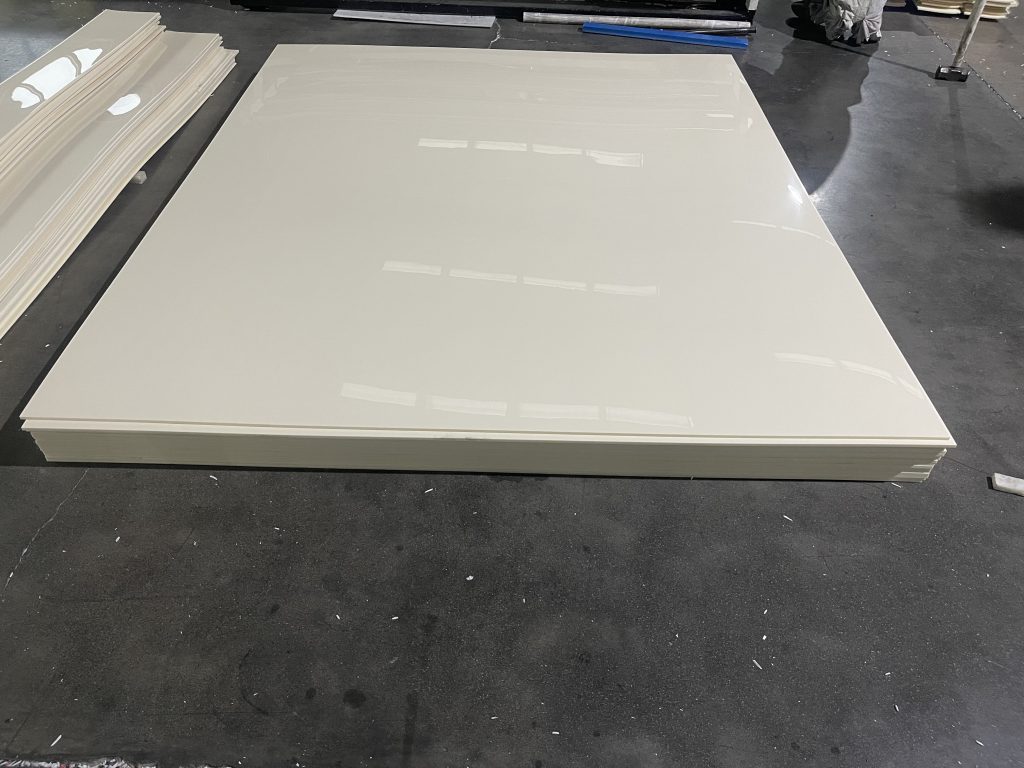
At Zhihong Plastic, we provide high-quality flame retardant PP designed to meet the evolving needs of safety-critical industries. With over a decade of experience, we focus on creating solutions that address your specific requirements, helping you achieve both safety and efficiency in every application. Trust Zhihong Plastic to deliver high-performance flame retardant PP sheets. Your safety and satisfaction are our priority. Choose us for materials you can rely on.
Core Industrial Applications
Many heavy industries demand extremely high safety standards. Consequently, facility managers install the flame retardant PP board everywhere. Let us look at the main applications across different sectors.
Chemical Processing Equipment
Chemical plants handle dangerous acids and bases daily. Therefore, they need incredibly strong containment containers. A flame retardant PP board resists corrosive chemicals perfectly. Additionally, it stops accidental fires near highly reactive substances. Engineers cut and weld these solid boards easily. As a result, custom tank construction becomes fast and exceptionally safe.
Ventilation Systems and Ductwork
Toxic fumes travel through factory ducts constantly. Sometimes, these concentrated fumes catch fire unexpectedly. Therefore, companies build their exhaust systems using fire-resistant plastics. The flame retardant PP board prevents dangerous duct fires from spreading. Furthermore, the lightweight nature of polypropylene reduces strain on building roofs. Maintenance teams install these custom systems with minimal physical effort.
Electrical and Battery Housings
Dangerous sparks happen in high-voltage electrical boxes. A stray spark can ignite standard plastic covers instantly. Thus, electricians prefer the flame retardant PP board for switchgear housings. The material provides excellent electrical insulation at all times. Simultaneously, it completely eliminates the risk of a massive electrical fire.
Installation and Assembly Methods
Workers must join plastic boards together securely. Therefore, they use professional hot gas welding techniques. The flame retardant PP board welds just like standard polypropylene. You simply need a plastic welder and matching plastic welding rods. First, clean the rough edges of both boards thoroughly. Next, heat the welding rod and the board seam evenly. After that, apply steady pressure to bond the two pieces. The resulting joint stays incredibly strong for decades. Furthermore, it maintains the exact same fire resistance as the main board.
Maintenance and Care Guidelines
Your flame retardant PP board needs very little daily maintenance. However, basic routine care extends its overall lifespan. First, wash the surface gently with mild soap and warm water. Harsh abrasive industrial cleaners might scratch the smooth finish. Second, inspect the welded joints yearly. You must check for any signs of mechanical stress or chemical wear. Thankfully, basic repairs take only a few minutes. You simply weld a small plastic patch over any damaged area. Thus, facility managers save thousands on full replacement costs.
How to Choose the Right Thickness
Project requirements strictly dictate the board thickness you need. Small electrical boxes require very thin plastic sheets. Conversely, large chemical containment tanks demand thick, rigid walls. A standard flame retardant PP board comes in many various sizes. We suggest 3mm to 5mm sheets for basic ventilation ducts. Meanwhile, 10mm to 20mm heavy boards work best for structural tanks. Always consult a mechanical engineer before making your final selection. They will calculate the exact load requirements for your specific project.
Standard Fire Ratings for Plastics
Safety engineers test industrial plastics strictly. They typically use the famous UL94 testing standard. A top tier flame retardant PP board usually achieves a V-0 rating. This specific rating means the fire stops burning within ten seconds. Furthermore, the plastic does not drip dangerous flaming particles. Consequently, the fire cannot spread to the factory floor below. You must always check the official safety rating before buying materials. Factory inspectors will demand clear proof of these fire ratings during routine audits. You can find more detailed information about standard plastics fire safety testing on Wikipedia’s UL 94 page.
For higher continuous-use temperatures where even flame retardant PP falls short, a PPA sheet based on semi-aromatic polyamide can be a stronger fit. If the PPA route is the next step, this PPA vs PA66 comparison shows where PPA pulls ahead of standard nylon and where it does not.
Cost Analysis of Fire Resistant Boards
Budgeting for safety materials takes careful financial planning. Initially, a flame retardant PP board costs more than standard plastic. You pay a small premium for the chemical safety additives. However, you must look at long term financial savings. Standard plastics melt rapidly during minor heat accidents. Consequently, you must replace the entire expensive structure. In contrast, fire resistant boards survive these minor daily incidents. Moreover, insurance companies often lower premiums for safe factories. Therefore, the safety upgrade pays for itself within a few short years.
Comparison With Standard PVC Materials
Builders often compare polypropylene to standard PVC. Both plastics resist harsh chemicals very well. However, they behave completely differently near an open fire. PVC releases highly corrosive chlorine gas when burned. This dangerous gas damages human lungs and sensitive factory equipment. Conversely, a flame retardant PP board burns much cleaner. It starves the active fire without releasing deadly chlorine. Furthermore, polypropylene weighs significantly less than PVC. Therefore, installation teams finish complex jobs faster and with less physical strain.
Custom Fabrication Details
Custom fabrication demands highly versatile materials. Machinists shape the flame retardant PP board with standard woodworking tools. You can use a CNC router to cut precise custom shapes. Additionally, standard metal drill bits create clean holes without cracking the plastic. The dense material holds metal screws tightly. As a result, engineers can design complex ventilation hoods easily. Furthermore, the board bends quite well when heated evenly. This unique feature allows builders to create seamless corners on chemical tanks.
Frequently Asked Questions
What makes a flame retardant PP board different from standard PP?
Manufacturers mix special fire-resistant chemicals into the raw plastic resin. Therefore, this specific board self-extinguishes when a fire starts. Standard PP simply melts and burns continuously.
Can you weld fire resistant polypropylene easily?
Yes, you can weld it exactly like standard plastic materials. You just need a hot gas welder and matching fire-resistant welding rods. Consequently, assembly remains fast and secure.
What industries use flame retardant PP boards the most?
The chemical processing and electronics industries use this material heavily. Furthermore, semiconductor laboratories install these boards for cleanroom wall panels. They strictly require fire safety compliance.
Does this board resist chemicals like regular polypropylene?
Yes, it maintains excellent resistance against industrial acids and bases. The fire-stopping additives do not weaken its chemical defenses. Therefore, it works perfectly for heavy chemical storage.
How long does a flame retardant PP board last outdoors?
The material lasts for many years in shaded outdoor areas. However, constant direct sunlight can slowly degrade the plastic surface. You should request UV-stabilized versions for permanent outdoor installations.
For the full range, see our guide to flame retardant sheet, covering sheet sizes, thickness options and insulation-focused safety tips.
If you are weighing a flame retardant grade against standard PP, our fire resistant plastic sheet guide breaks down the full material and rating picture.



