

Fire safety can be improved by adding flame retardant sheets to your insulation. Used in structures, walls, or as heat-resistant barriers, these sheets provide reliable fire protection. From comprehending the differences between flame resistant sheet material and fireproof sheet material to researching non combustible sheet options for outdoor use, this blog offers practical recommendations and answers common issues including installation methods and materials. In this e-book, Zhihong Plastic learn how flame retardant sheet insulation can protect and reassure you.

Knowing FR Sheets
In construction and safety, a flame retardant sheet is important. Fireproofing building insulation with these sheets is widespread. Flame retardant sheet construction slows fire spread. These sheets also insulate walls. In addition to building, they protect machines and goods against fire in industrial environments. The durability and versatility of these sheets make them important to modern fire safety techniques.
By preventing fires, flame retardant sheets improve household safety. Fire resistant sheet and fireproof sheet material minimize fire intensity and speed. Non combustible sheet alternatives increase efficiency, protecting vulnerable places. These sheets can endure high temperatures. Homes that use flame retardant sheet insulation reduce fire hazards and safeguard structural integrity prioritize family safety.
Types of Flame Retardant Sheet
Various fire-resistant materials are used to make flame retardant sheets. Fiberglass, coated textiles, and thermoplastics are employed for durability and performance. Flame resistant sheet material and fireproof sheet material are especially useful for challenging conditions since they resist high temperatures and fire spread. Ceramic or composite heat-resistant sheets are ideal for insulating applications that require thermal stability. For fire-prone areas, non combustible sheet materials made of minerals or other incombustible materials are excellent. Understanding material differences lets you choose the best type for fire safety.
For insulation jobs demanding both fire safety and 130–180°C service, a high-temperature PPA sheet is worth evaluating.
Consider use and environmental variables when choosing a flame retardant sheet for your project. Due to its lightweight nature and adaptable designs, flame retardant plastic sheeting is a popular option for interior applications. Durable flame retardant sheet materials intended for harder environments are better for outdoor locations or building projects. Non-combustible sheets are best for high-risk areas and heat-resistant ones for high-temperature applications. Flame retardant sheet for construction projects generally meets strict safety regulations. Choose depending on these characteristics for effective protection, performance, and fire safety compliance.
Check the panel weight before installation. Flame retardant sheets are often fixed overhead or onto vertical framing, where handling weight matters as much as the fire rating. Use the plastic sheet weight calculator to see what a sheet of your thickness actually weighs before you plan the fixings.
Effective Insulation Installation Tips
For best fire protection and insulation benefits, a flame retardant sheet must be installed properly. First, measure the area properly to ensure the sheet fits without gaps or overlaps. Cut the flame retardant sheet to size and position it properly. To secure the fire retardant sheet for walls, use adhesive or fasteners developed for fire retardant sheet. Overlap the sheets slightly at the borders to avoid fire penetration. Seal corners and fittings with fire-resistant sealant after putting the sheet to strengthen the barrier. Check for creases and loose regions.
Maintenance and compatibility are key to flame retardant sheet insulation performance. Installing flame retardant sheets for construction requires materials that match. Non combustible sheet and fire-resistant adhesives work well together. After installation, check sheets for damage, dampness, and wear. In dirty surroundings, flame retardant plastic sheets need be cleaned to retain their functionality. Repairing edges or replacing broken parts enhances the sheet’s lifespan. Following manufacturer instructions keeps insulation effective and safe.
Special Outdoor Considerations
When chosen and installed appropriately, a flame retardant sheet provides reliable outdoor fire protection. These settings are ideal for non-combustible sheets. These materials withstand UV, moisture, and weather damage. They are ideal for outdoor construction and high-risk zone protection due to their durability. Fireproof sheet material also improves outdoor safety in structure layering and machinery protection by preserving stability despite harsh environmental conditions. Outdoor-specific choices assure fire prevention and structural integrity.
In open spaces, flame retardant sheets’ weather resilience improves their functionality. Advanced fireproof sheets resist water intrusion. Sealing systems increase insulation and extend lifespan in wet or damp buildings. Heat resistant sheet materials are also ideal for outdoor projects with bright sunlight or adjacent heat sources since they maintain thermal stability without sacrificing fire safety.
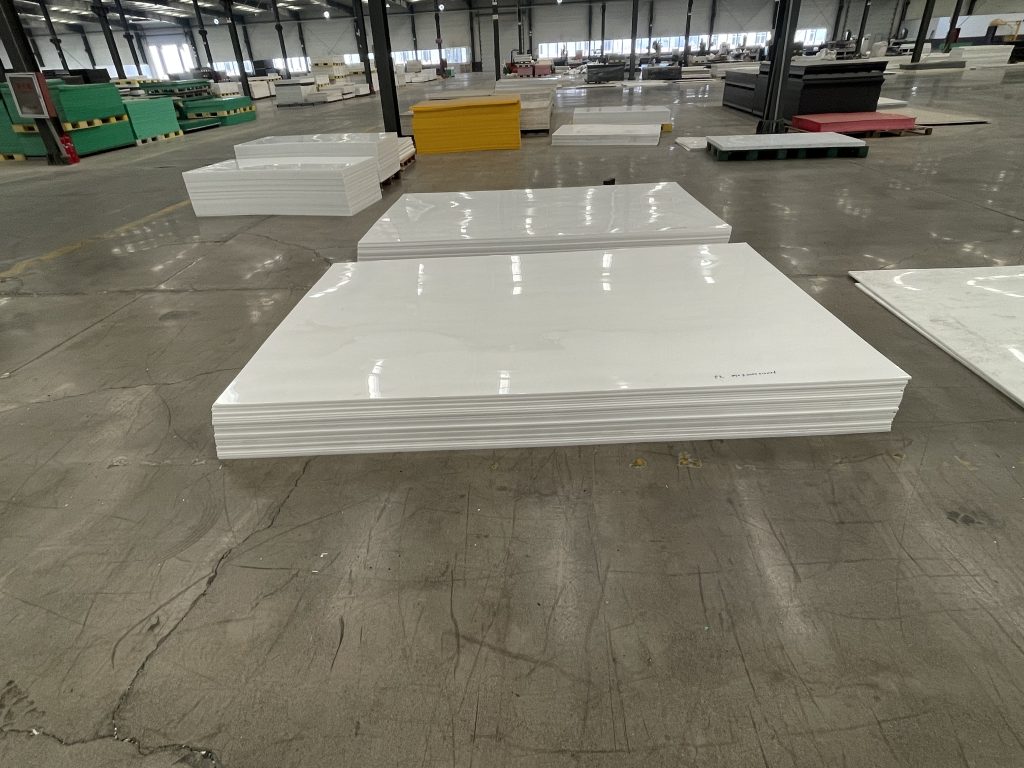
At Zhihong Plastic, we provide high-quality flame retardant sheets designed to enhance fire safety and durability across a wide range of applications. Our sheets protect structures, machinery, and homes by resisting high temperatures and preventing flame spread. With versatile options, including non-combustible and heat-resistant materials, we offer tailored solutions for both indoor and outdoor needs.
Trust Zhihong Plastic for innovative fire safety materials. Contact us to explore our products and choose the best solution for your insulation needs.
Flame Retardant Sheet Quick Reference: Ratings, Thickness and Selection
Specifying a flame retardant sheet comes down to three decisions: the fire rating you must meet, the thickness the part needs, and the resin that survives the environment. Most industrial buyers start from UL94 V-0 — the grade that stops burning within ten seconds and releases no flaming drips — because it satisfies insurers and factory auditors without the cost of exotic high-temperature polymers.
Thickness follows the job rather than the rating: 3–5 mm suits ventilation ducts, wall liners and electrical covers, 8–12 mm handles chemical splash guards and machine guards, and 15–20 mm is typical for containment tanks and structural panels that must stay rigid across a span. Where weight matters, polypropylene beats PVC by roughly 40%, and it burns without the corrosive chlorine gas that makes PVC a poor choice near electronics or in enclosed spaces.
For sheet sizes, welding notes and application-level detail, read our guide to flame retardant PP.
For a broader look at material choices and UL94 grades, see our fire retardant plastic sheet overview.



