

High-density polyethylene board is a leading plastic choice for projects. It is used for many applications due to its durability, versatility, and chemical and weather resistance. How does it compare to other plastics in characteristics, thickness, and cutting versatility? This guide, Zhihong Plastic will help you choose the best product for your needs by explaining its applications, how to cut it, and its durability.
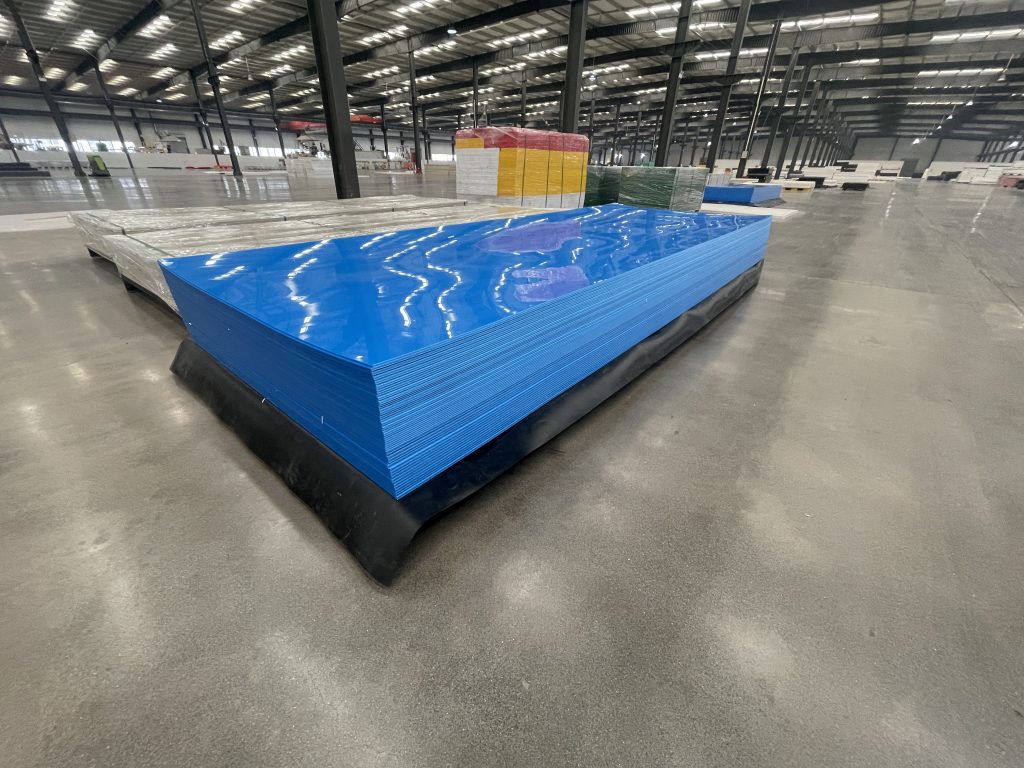
HDPE Board vs. Other Plastics
High density polyethylene board outperforms PVC, ABS, and acrylic in strength and adaptability. PVC is popular for its affordability and clean finish, but high density polyethylene sheet is more impact-resistant and flexible. ABS is rigid and desirable, however it lacks durability for outdoor applications. Acrylic is transparent yet cracks under stress. High density polyethylene board is a versatile material for sectors that need long-lasting, dynamic pressure-resistant materials.
In severe conditions, high-density polyethylene board is more durable. Its chemical, water, and UV resistance gives it an edge over competitors, especially outdoors. It is suitable for marine and heavy industrial applications since it does not distort or weaken under temperature changes or repeated impacts. Its extraordinary resilience ensures that it operates when ABS or PVC could fail.
When the choice narrows to the two commodity polyolefins, our HDPE vs PP sheet comparison details how each handles heat, cold, and welding.
Customization and Processing
High density polyethylene board is ideal for customized projects because it is easily cut. Professionals use saws or CNC equipment for precise cuts and flawless edges. A fine-toothed circular saw makes straight cuts, while routers allow more sophisticated shaping. Securing the board during cutting reduces vibration and improves accuracy. Proper cooling reduces heat buildup that could damage the material. These procedures enable clean cuts and preserve high density polyethylene sheet or panel integrity during processing.
High-density polyethylene thickness options expand its uses. The material’s thicknesses let users choose the proper strength and flexibility for their project. Thinner sheets work well for lightweight barriers or liners, whereas thicker panels are better for construction flooring or maritime dock components. Because it can be drilled, bent, and fastened, the material is easier to integrate into intricate designs. Due to its versatility and durability, high density polyethylene board serves practical and aesthetic needs in many industrial and commercial applications.
Chemical/weather resistance
Highly resistant to chemicals and weathering, high density polyethylene board is ideal for demanding settings. Chemical compatibility lets it endure acids, bases, and industrial solvents without deteriorating. Pipelines and storage tanks. High density polyethylene sheet and panel linings and containment systems are used in chemical processing plants to provide safety and durability under strong chemicals. Non-reactivity makes it useful in industrial domains where material performance is important.
In addition to chemical resistance, high density polyethylene board is environmentally durable. It resists swelling. Outdoor installations like signage, marine structures, and playground equipment require UV resistance to prevent sunlight deterioration. It is also stable at low and high temperatures. These properties ensure the material functions well in various temperatures and tough outdoor conditions. Chemical resistance and weatherproofing make high density polyethylene board a versatile and durable material for businesses that need it.
Selecting HDPE Board for Specific Needs
The correct high density polyethylene board depends on project criteria including durability, thickness, and personalization. For construction and heavy-duty applications requiring great impact resistance, thicker panels provide support and strength. Thinner sheets are better for lightweight items like protective liners and packing. CNC machining or suitable cutting tools ensure smooth edges without compromising material integrity for boards with elaborate forms or designs. Selecting the proper thickness and material for project needs ensures functionality and durability.
High density polyethylene material outperforms PVC and acrylic in terms of cost effectiveness. Its lengthy lifespan lowers replacements. In severe environments, high density polyethylene panels last longer than cheaper options. Its versatility sometimes removes the need for additional materials. High density polyethylene board is an economical solution for enterprises trying to balance quality and budget due to its affordability, reliability, and versatility.
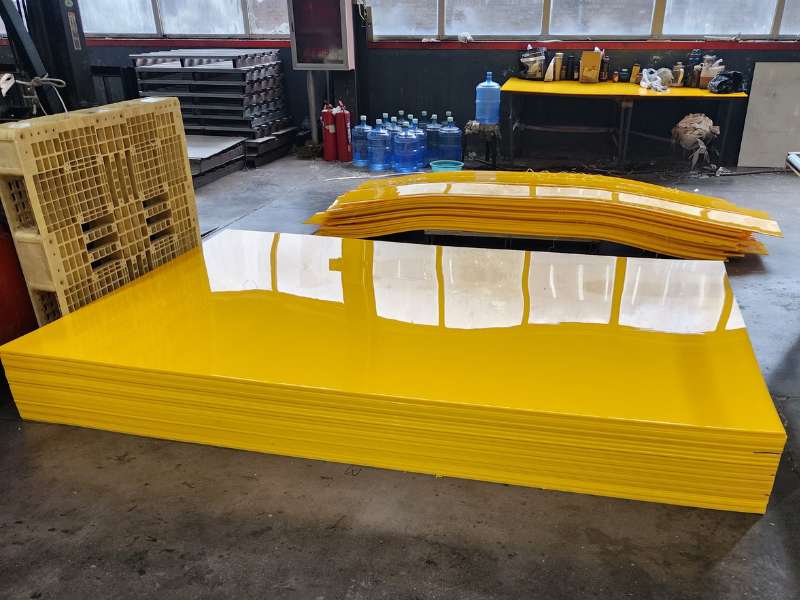
At Zhihong Plastic, we provide top-quality high-density polyethylene (HDPE) boards known for their durability, versatility, and superior performance. Our boards excel in resisting chemicals, weather, and impact, making them ideal for demanding projects across industries. With thickness and customization options, we deliver reliable solutions for everything from lightweight liners to heavy-duty applications. Whether you need materials for marine, industrial, or outdoor use, our HDPE boards ensure lasting value and efficiency.
Trust Zhihong Plastic to deliver materials tailored to your needs. Contact us to explore our HDPE board options and elevate your projects with our innovative solutions.
To compare material costs across grades and thicknesses, refer to our HDPE sheet pricing breakdown.
Deep-Dive Technical Notes
High Density Polyethylene Board VS. Other Plastic Materials
High Density Polyethylene Board vs. Other Plastic Materials
Superior to polycarbonate, PVC, and acrylic, it has many advantages. High density polyethylene board is more affordable than polycarbonate and has better impact resistance. It works just as well as PVC in terms of chemical resistance, but it is lighter and more flexible. Acrylic is attractive but not as durable. In terms of maintenance and lifespan, the beats competitors. Even at severe temperatures or UV rays, it resists breaking. Other materials may discolor or need regular replacement, but its non-stick surface is easier to clean. The customized HDPE board thickness options meet construction, marine, and agriculture needs. These facts show why professionals choose for durable and affordable plastic solutions.
Advantages of HDPE Board
It is unrivaled in strength, adaptability, and durability. The board variant has better structural stability than high density polyethylene sheet. Chemical, moisture, and severe temperature resistance enables reliable performance in industrial and commercial settings. This durable plastic board doesn't break, distort, or disintegrate in harsh outdoor environments. It is a popular choice for construction, marine, and agricultural projects because of its lightweight, toughness, and ease of installation. It's cheaper and easier to maintain than other materials. Due to its stain, mold, and abrasion resistance, it requires little maintenance. Others may fail under continuous UV or harsh chemical exposure, but this board performs well and offers a good ROI. Its numerous HDPE board thicknesses allow industry to choose the suitable specification. Professionals seeking stable, high-performing solutions for many applications choose it.
Common HDPE Board Uses
Superior adaptability makes it important in industrial applications. High impact resistance and chemical stability make it a popular material for equipment components, conveyor systems, and protective barriers in factories and warehouses. Its small weight makes it easy to handle and move. The outperforms alternatives like less robust polymers in harsh conditions. This non-toxic, waterproof, and weatherproof substance is used in food processing and maritime equipment manufacturing. Beyond industrial settings, to serves different consumer needs in everyday applications. Utility and safety are combined with its versatility as chopping boards, playground equipment, and storage containers. The polymer also performs well outdoors, where moisture and UV exposure may destroy conventional materials. Many outdoor furniture and gardening equipment use this durable plastic to resist wear. The adaptability of high density polyethylene board makes it a trustworthy and essential solution for both professional and domestic situations.
Durability and longevity
It is known for its resilience in harsh conditions. Its wear resistance makes the board ideal for industrial and construction use since it can withstand high-impact use without losing structural integrity. The board's chemical resistance protects it from oils, solvents, and other corrosives. It is a reliable option for both indoor and outdoor applications due to its resistance to extreme temperatures and extensive UV exposure. The availability of several HDPE board thicknesses also helps it last. Thinner boards are lighter for lighter jobs, but thicker ones are stronger for heavy-duty use. This versatility allows the board to suit varied industry requirements without losing its excellent performance. In marine situations and daily consumer products where reliability important, the outlasts other materials.
Manufacturing
Ethylene is polymerized under regulated conditions to make it. High pressure and catalysts turn polyethylene into raw material granules or pellets. An extrusion machine melts these pellets. After melting, the material is pushed through a die to form a continuous sheet of the required thickness. Each high density polyethylene board fulfills strict quality and consistency standards. High density polyethylene board is cooled and calibrated after extrusion. The board's structure and thickness are solidified in this process. After cooling, the sheet is trimmed and cut to industry-specific sizes. To ensure impact, chemical, and wear resistance, quality inspections assess the material's strength and durability. Manufacturers create boards for individual purposes by choosing alternative formulations, such as HDPE board thickness.
Industry Applications
Due to its versatility and durability, high density polyethylene board is important in construction and industry. It is used for concrete lining. Even in harsh settings, its chemical and moisture resistance makes it durable. Non-corrosive high density polyethylene board is a reliable solution for underground plumbing systems, thus contractors employ it. Its lightweight design makes installation easy. In factories and processing plants, high density polyethylene board is useful. It is ideal for impact-resistant workbenches and machine guards. Its application in conveyor components and storage systems shows its stability under enormous loads. High density polyethylene board is strong and easy to clean. Such various applications show its unsurpassed applicability in businesses. At Zhihong Plastic , we focus on delivering high-quality polyethylene boards. These boards cater to the diverse needs of many industries. Choosing us for your trusted supplier, you gain access to precise craftsmanship, innovative materials, and exceptional service. Partner with Zhihong Plastic and experience the quality and reliability you deserve for every project.
High Density Polyethylene Plate Thickness Options
What is HDPE plate?
High density polyethylene plates are strong and adaptable. Plates are thicker than high density polyethylene sheet or board. The board's medium thickness fits between plates and sheets, unlike high density polyethylene sheet. While a high density polyethylene panel is pre-cut and ready to use, it is typically used in construction. These differences show how different high density polyethylene materials meet different purposes. Thermoplastics like high-density polyethylene plastic resist severe chemicals and environmental variables. This composition makes the plate, sheet, and board ideal for industrial and structural applications. The plate is ideal for heavy-duty use because to its high density and consistent construction, while the flexible sheet is favored for lightweight lining or packaging. Farms and factories use the board's balance. Thus, this variety of possibilities assures that plates and other high density polyethylene materials satisfy the needs of specialized industries.
When HDPE is weighed against other plastics, the HDPE chemical resistance chart is the quickest way to see where it outperforms PP, PVC and nylon.
HDPE Plate Properties
Durable high density polyethylene plate is popular in applications that require tough materials. Mechanical wear is common in construction and heavy industries, but its great impact strength ensures long-term performance. The minimal water absorption and dimensional stability of this material keep it intact during prolonged moisture exposure. Marine construction, industrial barriers, and outdoor constructions that require durability benefit from this combination. High density polyethylene plate resists acids, alkalis, and corrosives. This resilience helps chemical processing businesses. Its thermal resilience allows it to withstand high temperatures without warping or deforming. This material is also used in food and pharmaceutical packaging that requires consistent performance at changing temperatures. These properties balance strength, resistance, and lifespan to fulfill a wide range of industrial demands.
Thickness Options and Their Importance
High density polyethylene plate comes in thicknesses from 0.25 to over 4 inches for various applications. Thinner plates under 1 inch are lightweight and flexible. However, thicker plates (2-4 inches) provide improved stiffness and strength for construction and load-bearing applications. Industries can adapt the material to suit mechanical and structural needs by varying thickness. Plate characteristics and applications depend on thickness. Less demanding situations focused on cost and material economy benefit from thin plates' ease of work and transport. Thicker plates show improved high density polyethylene durability and impact resistance. Thicker alternatives resist deformation under pressure or temperature changes. By choosing the proper thickness, organizations may match the plate's strength and adaptability to their functional and durability needs for industrial and commercial applications.
Common HDPE Plate Applications
Due to its strength, durability, and versatility, high density polyethylene plate serves many industries. The construction sector uses this material for impact-resistant walls, protective barriers, and maritime infrastructure reinforcing layers. High density polyethylene sheet and board applications include manufacturing, where they are used to make gears and liners or as a stable foundation for heavy machinery. Due to its insulation, high density polyethylene plastic is ideal for cable coverings and paneling in electrical systems. High density polyethylene material is also important in packaging. Lightweight, durable sheets are used to package food for hygiene and protection. High density polyethylene board is used to make wear- and chemical-resistant containers and storage bins. Chemical, pharmaceutical, and moisture-sensitive industries use these materials for secure. High density polyethylene thickness is versatile, as thin sheets are lightweight and thicker sheets are strong. Overall, this versatility keeps the material relevant across sectors.
Durability and Resistance
Chemically resistant to acids, alkalis, and organic solvents, high density polyethylene plate is outstanding. Its corrosion resistance makes it effective in harsh areas like chemical plants and farms. Its minimal moisture absorption makes it ideal for outdoor applications where extended water exposure is inevitable. Chemicals cannot penetrate the non-porous surface. Importantly, the plate resists physical and environmental damage. It is used for protective barriers, industrial parts, and heavy equipment components since it does not distort under mechanical stress. In outside environments like maritime docks and construction sites, its UV resistance and temperature stability provide reliability. These qualities make high density polyethylene plastic ideal for businesses that need durable, stress-resistant products. Due to its chemical and physical durability, it provides efficient, durable solutions for many important applications.
Selecting HDPE Plates
Properties, thickness, and application must be considered while choosing a high density polyethylene plate. Its strength, flexibility, and adaptability for various conditions depend on plate thickness. These must be flexible and durable without being heavy. For storage tanks, cutting boards, and outdoor signage that require moderate strength and UV resistance, medium-thickness plates give better rigidity. Heavy-duty applications require thicker plates over an inch for optimal durability and impact resistance. Their durability makes them ideal for industrial flooring, naval construction, and protective barriers in high-mechanical-stress settings. In addition to thickness, purchasers should consider chemical resistance for harsh environments and environmental stability for outdoor use. Based on these parameters. An informed choice customized to specific needs ensures long-lasting results. At Zhihong Plastic , we specialize in producing high-quality high density polyethylene plates tailored to meet diverse industrial and commercial needs. Our plates are engineered for durability, chemical resistance, and reliability across demanding applications. With precise thickness options and advanced manufacturing, we ensure materials that perform efficiently in construction, packaging, and heavy-duty projects. Partner with us to elevate your projects with superior solutions designed for dependable performance and enduring impact.
What Makes A High Density Polyethylene Plate So Popular
Common applications in food processing facilities
Food safety remains a top priority for manufacturers everywhere. Specifically, a high density polyethylene plate easily meets strict FDA guidelines. Therefore, companies use them to build cutting boards and food preparation tables. Moreover, bacteria cannot grow easily on the completely smooth surface. As a result, cleaning teams can sanitize the stations quickly. Additionally, the plastic does not dull factory knives during heavy use. Thus, meat processing plants prefer this material over wood or metal. Furthermore, packaging lines use these sheets for conveyor components. They reduce friction and keep products moving smoothly.
Excellent performance in marine environments
Saltwater destroys many traditional building materials very quickly. However, a high density polyethylene plate resists corrosion completely. Therefore, boat builders use them for cabinetry and deck components. For example, a Marine Grade HDPE Sheet provides exceptional UV stability. Consequently, the bright sun will not fade or crack the plastic over time. Furthermore, marinas use these plates to build durable docks and boat bumpers. They absorb the heavy shock when boats bump into the pier. Additionally, the material stays tough even in freezing temperatures.
Protection solutions for construction zones
Construction sites face heavy machinery and muddy conditions daily. In response, contractors use a high density polyethylene plate to protect the ground. For instance, an HDPE Anti-Slip Road Mat creates a safe path for heavy trucks. Consequently, vehicles do not get stuck in deep mud. Furthermore, the textured surface prevents dangerous slips and falls. Additionally, these plates protect sensitive landscapes from heavy tire tracks. Therefore, project managers save money on site restoration costs. Moreover, workers can easily move the lightweight mats between different jobs.
Safe storage for chemicals and industrial liquids
Chemical plants need safe containers to store harsh acids. Specifically, a high density polyethylene plate provides excellent chemical resistance. Therefore, engineers construct large storage tanks using this rigid plastic. For example, HDPE PE100 Sheets offer superior strength for tank walls. Consequently, dangerous chemical leaks rarely occur. Furthermore, the plastic does not react with most industrial solvents. As a result, the stored chemicals remain pure and uncontaminated. Additionally, maintenance teams spend less time repairing damaged tanks. Thus, facilities operate safely and efficiently.
Creative uses in playground equipment and signage
Park designers want safe and colorful materials for children. Therefore, they frequently select a high density polyethylene plate for playgrounds. For instance, a Dual Color HDPE Sheet allows for bright and engaging designs. Manufacturers can engrave patterns directly into the two-tone plastic. Consequently, the colors never peel or chip away. Furthermore, the material resists vandalism and rough scratches. As a result, city parks look beautiful for many years. Additionally, sign makers use these boards for outdoor directional signs. They withstand heavy rain and strong wind without warping.
Transportation and automotive industry uses
Automotive manufacturers constantly seek lightweight materials for their commercial vehicles. Specifically, a high density polyethylene plate helps reduce overall truck weight. Therefore, companies use them to line dump truck beds. Furthermore, the slick surface prevents wet dirt from sticking to the truck. As a result, drivers can empty their loads quickly and safely. Additionally, the thick plastic absorbs the impact of heavy rocks and gravel. Consequently, the metal truck bed avoids dents and rust. Moreover, RV builders use this material for fresh water holding tanks. It keeps the water safe and tastes fresh.
Agricultural and farming facility applications
Farmers face unique challenges with animal enclosures and heavy equipment. For this reason, they install a high density polyethylene plate in barns. Furthermore, pigs and cows cannot chew through the tough plastic walls. Therefore, the pens last much longer than traditional wood fences. Additionally, the material cleans up easily with a simple water hose. As a result, farmers maintain better hygiene for their livestock. Moreover, tractors use plastic components to resist fertilizers and pesticides. Specifically, the farm chemicals will not corrode the plastic parts. Thus, farm equipment requires fewer costly repairs.
Medical sector and laboratory environments
Laboratories require sterile and non-porous work surfaces. Consequently, a high density polyethylene plate fits these strict needs perfectly. Furthermore, technicians use them to build custom cabinets and test workstations. Specifically, the material resists harsh cleaning chemicals and bleaches. Therefore, the labs remain completely sterile and safe. Additionally, orthotics manufacturers use thin sheets to form custom body braces. The plastic bends easily when heated to specific temperatures. As a result, patients receive comfortable and supportive medical devices. Moreover, the lightweight nature makes the braces easy to wear daily.
Water treatment facility solutions
Water treatment plants handle millions of gallons daily. Therefore, they need highly reliable equipment and structures. Specifically, engineers choose a high density polyethylene plate for baffles and gates. Furthermore, the plastic will not rust in the constant moisture. As a result, the water flow remains uninterrupted and clean. Additionally, the smooth surface stops algae from building up quickly. Consequently, maintenance crews spend less time scrubbing the underwater tanks. Moreover, the material withstands the chlorine used to purify the drinking water. Thus, city infrastructure stays safe for decades.
How to select the right material thickness
Choosing the exact thickness ensures your project succeeds. First, you must evaluate the weight the plastic will support. Furthermore, thicker plates handle heavier loads without bending. For example, a half-inch sheet works well for basic cutting boards. However, heavy machinery mats require much thicker dimensions. Additionally, you should consider the operating temperature of your environment. High heat can cause thin sheets to expand slightly. Therefore, consult with a materials expert before buying. Next, check the specific grade requirements for your industry. For general material standards, you can review the ASTM International guidelines .
Basic maintenance tips for long term success
Taking care of your high density polyethylene plate is simple. First, wash the surface with mild soap and warm water. Furthermore, you can use a pressure washer for stubborn outdoor dirt. However, avoid using abrasive wire scrubbing pads. They might scratch the smooth plastic finish. Additionally, inspect the material regularly for deep cuts or gouges. Specifically, food processing boards need replacement when cuts become too deep. As a result, you prevent hidden bacteria growth. Moreover, store spare sheets flat on the ground. This prevents them from bowing or warping over time.
Where hygiene matters, an FDA compliant HDPE sheet is the material of choice over other plastics.
If you need a lighter, higher-temperature thick plate, a polypropylene plate may suit better than HDPE for the same job.
To start with the plastic fundamentals, check our HDPE vs LDPE plastic article.
For a direct look at how polyethylene stacks up against polypropylene, read our Polyethylene vs Polypropylene comparison.
When the alternative is acetal rather than another polyethylene board, the High-Density Polyethylene vs Delrin comparison is the one to read.



