

PP sheet boards are versatile and necessary in modern plastic engineering. These boards are employed throughout industries due to their resilience, lightweight, and affordability. What is PP sheet board, and how does it compare to PVC or polycarbonate? From their manufacturing method and thickness range to their recyclability and waterproof qualities, this guide covers everything. With clarity and authority, this comprehensive resource answers all your inquiries about PP sheet costs, nearby suppliers, and its benefits.
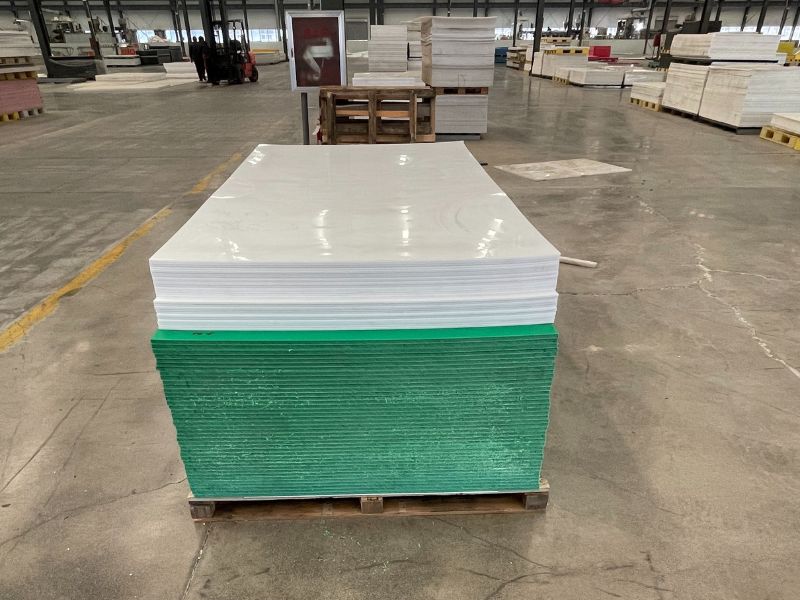
Benefits and Features of PP Sheet Board
Many companies favor PP sheet boards due to their many benefits. The lightweight, robust materials resist impact, chemicals, and moisture. They are suitable for long-lasting applications due to their characteristics. PP sheet board is also affordable. Under difficult environments, they maintain quality and structural integrity. In humid or wet situations, their waterproof nature improves its usability. PP sheet board is a trustworthy material for many technical applications because to these qualities.
Recyclability is another benefit of pp sheet boards. Their 100% recyclable nature meets the growing demand for sustainable materials. This trait decreases environmental effect and promotes circular economy. Although recyclable, pp sheet boards retain their quality. Industries can trust these boards for performance and sustainability. Businesses can meet operational needs and conserve the environment by using pp sheet boards. This blend of functionality and eco-consciousness makes pp sheet boards valuable in current plastic engineering.
PP Sheet Board Uses
PP sheet boards are versatile and durable. Since they protect items during transport and storage, industries utilize them widely for packing. Their lightweight but strong character makes them perfect for partitions, folders, and signage. Construction uses pp sheet boards for concrete formwork and protective barriers, while the car industry uses them for interior components and linings. These chemical-resistant materials are useful for lab equipment and chemical storage. These many applications demonstrate pp sheet boards’ versatility.
Packaging, construction, automotive, and agricultural benefit from pp sheet boards. Agriculture uses these boards for greenhouse panels and protective covers to withstand environmental influences. Since they are easy to print and customize, retailers and advertisers use them for point-of-sale displays and promotional materials. The medical business uses pp sheet boards for sterilizable trays and equipment covers. Their cost-effectiveness and recyclability make them ideal for businesses seeking performance and sustainability. This widespread industrial acceptance emphasizes pp sheet boards’ value in modern applications.
PP Sheet Board Making Process
Polypropylene resin is extruded, heated, and melted to make pp sheet boards. Manufacturing companies feed molten material through a die to obtain width and thickness. After cooling, the sheet solidifies. Surface preparation improves printing and lamination adherence. This exact process ensures high-quality pp sheet boards for numerous applications. Manufacturers might add fillers or pigments to boards to suit industry standards.
Depending on application, pp sheet boards are 0.3 to 30 mm thick. Thinner sheets are good for packing and lightweight uses, whereas thicker boards assist building and industry. Industries choose thickness depending on load-bearing capacity, flexibility, and environment. This thickness adaptability allows pp sheet boards to meet various needs across sectors. Modern engineering solutions can use pp sheet boards since the manufacturing method is adaptable and can manufacture boards of various sizes.
Other Material Comparison
PVC and PP sheet boards have quite different characteristics and uses. The chemical resistance and lightweight of PP sheet boards make them excellent for industries that need durability and flexibility. PVC sheets are superior for building and electrical insulation due to their rigidity and fire resistance. Sustainable practices favor pp sheet boards due to their recyclability and environmental impact. Both materials serve different purposes, but the project criteria determine the choice.
Differences between PP sheet boards and polycarbonate include strength and lifespan. Polycarbonate is ideal for safety shields and glazing due to its impact resistance and clarity. PP sheet board is cheaper and more chemically resistant. Polycarbonate is more durable in harsh environments, however pp sheet boards are cheaper for cost-sensitive tasks. Balance performance needs with budget limits to choose the suitable material for the intended usage.
For the most demanding structural parts, a 33% glass fiber PPA sheet outperforms every commodity option compared above.
When a lighter, more cost-effective upgrade is enough, fiber reinforced polypropylene embeds short glass fibers into the PP matrix for about two to three times the stiffness of unfilled PP board.
Selecting Perfect PP Plastic
Application requirements choose the optimal pp plastic. The stiffness and strength of homopolymer polypropylene make it perfect for structural applications. Copolymer polypropylene is better at impact resistance and flexibility. For outdoor use, manufacturers might choose UV-stabilized pp plastic to resist sunshine and weathering. To maximize performance, consider chemical exposure, temperature tolerance, and mechanical demands when selecting.
PP sheet board selection is influenced by numerous aspects. The board’s load-bearing capacity and flexibility depend on thickness. While structural applications require thicker boards, lightweight industries may prefer thinner ones. For printing or laminating, surface finish is important. Businesses compare pp sheet price and pp board price to find the best deal. The selecting procedure also considers recyclability and sustainability to ensure eco-friendliness. By considering these variables, enterprises may choose the best pp sheet boards for their purposes.
For piping, hot-water and pressure systems, the grade matters as much as the panel: see how a PP-R sheet differs from standard board before you specify.
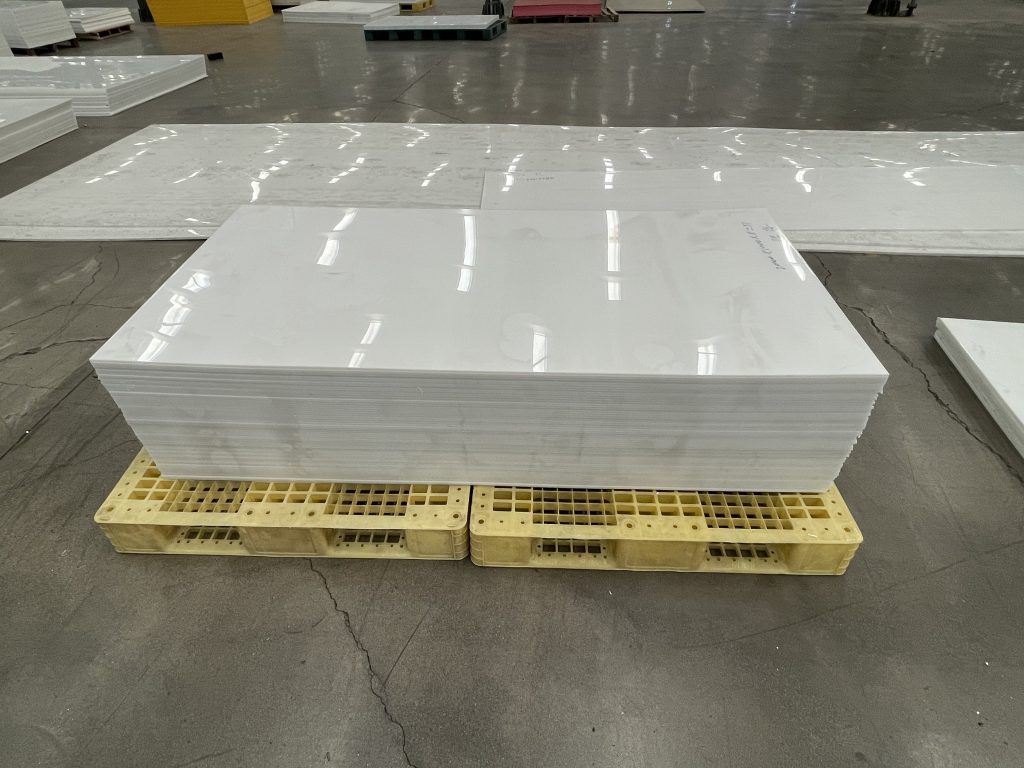
Zhihong Plastic makes high-quality PP sheet boards for various industries. Our lightweight, durable, and chemical- and moisture-resistant products are ideal for many applications. We offer many thicknesses to meet your needs. With over a decade of experience, we guarantee reliable supply and excellent service. PP sheet boards from Zhihong Plastic are affordable, sustainable, and high-performing. Visit our website to learn more and order today.
See how full sheets compare in our 4×8 polypropylene sheet comparison.
The plate-board distinction matters: PP plate board targets heavy-gauge fabrication where thin sheet would flex.



