

What is PP sheet, and why is it important across industries? PP sheets are made from polypropylene (PP), a durable thermoplastic with chemical resistance, lightweight structure, and high impact strength. Flexibility and affordability make PP sheet material ideal for packaging, construction, automotive, and medical applications. PP sheet’s uses, unique qualities, production procedures, types, advantages, and recyclability, Zhihong Plastic will be covered in this blog.
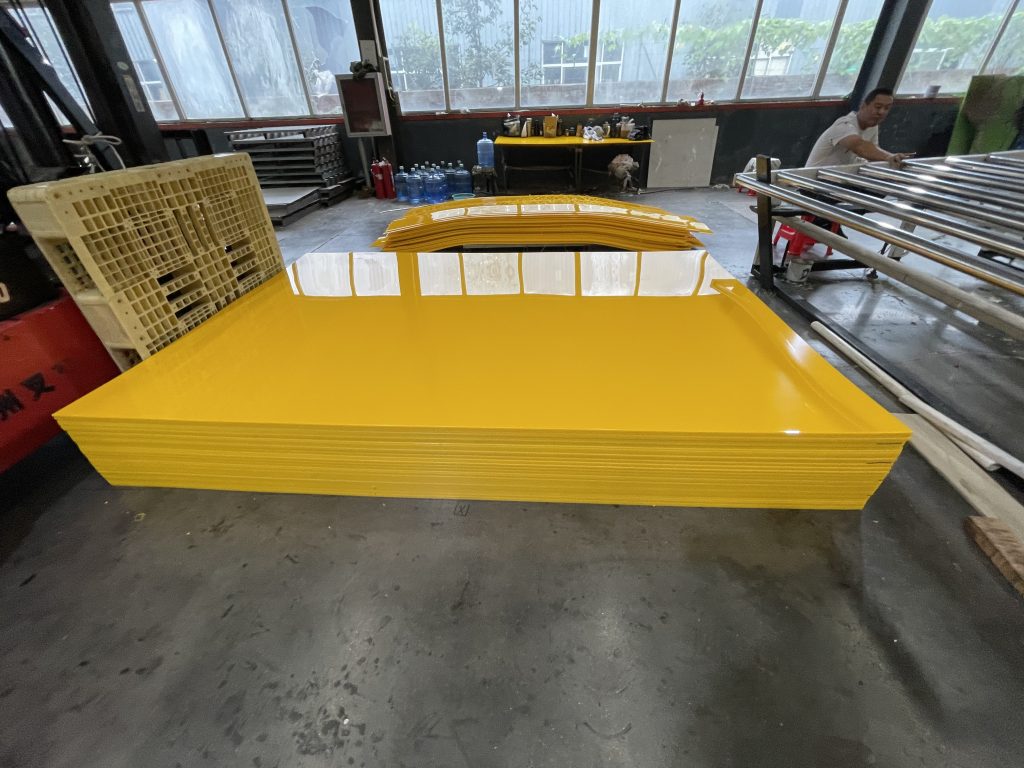
Benefits of PP sheet
Cost-effectiveness makes PP sheet material a good alternative for enterprises seeking high-performance solutions. Its lightweight design minimizes transportation expenses, while its longevity reduces replacements. Manufacturers can also tailor PP sheet thickness to individual uses. These features make it practical and popular in the packaging, construction, and automotive industries.
With increased environmental concerns, PP sheet’s recyclability is another plus. Reusing PP sheets to make new items saves resources and reduces landfill trash. This closed-loop technology is eco-friendly for firms looking to boost sustainability. The fabrication of recycled sheets uses less energy. Industries may use PP sheet’s practical and ecological benefits to create a more sustainable future by knowing it.
Key Properties
PP sheet material is popular throughout industries due to its excellent characteristics. Even in harsh settings, its chemical resistance protects it against most acids, solvents, and chemicals. The endurance of PP sheet properties allows it to resist extended mechanical stress without cracking or losing structural integrity. This material is reliable for sudden force applications due to its impact strength. Its thermal resilience makes it suitable for high-temperature industrial processes where other materials might fail.
PP sheet’s adjustable thickness affects its performance in various applications. Thin PP sheet types are lightweight, flexible, and perfect for packaging or delicate protective layers, whereas thicker sheets are stronger for construction materials or automobile parts. The flexibility to customize PP sheet thickness lets producers precisely satisfy varied functional needs. For instance, whereas medical devices use thinner ones for flexibility. Understanding these features helps companies use PP sheet’s benefits.
Where load and heat rise together, a polyphthalamide PPA sheet such as PPA GF33 holds tolerances that PP cannot.
Where a tank or vessel has to be welded and must keep its impact strength in cold conditions, a PPR sheet — polypropylene random copolymer — bonds more cleanly and stays tougher at low temperature than a standard homopolymer grade.
Major Industry Uses
The packaging industry uses lightweight, durable PP sheet material to safeguard items during storage and transport. Chemical resistance and moisture-blocking make it food-grade suitable for packing perishable and dry foods. In this industry, PP sheet uses are also used to make containers, box liners, and separators that last and preserve product quality. Its characteristics and cost-effectiveness make it a popular choice for producers seeking quality and affordability.
Beyond packaging, the automobile sector uses PP sheet applications to improve efficiency and reduce vehicle component weight. The material is used to make dashboard panels, door trims, and battery casings due to its impact strength and thermal stability. The hygiene-compliant features of types make them useful in sterilizable trays, medical-grade containers, and protective barriers. Diagnostic equipment made from translucent sheets is another example. PP sheets’ flexibility to customize thickness meets diverse performance criteria in these industries.
Selecting the Right
Sector requirements is necessary to choosing the right. Thin sheets are durable and cost-effective for lightweight packing. Automotive sectors, on the other hand, require thicker types for impact resistance. UV-stabilized sheets can withstand continuous sun exposure without deteriorating. Food-grade sheets fulfill strict cleanliness standards.
Material qualities should match its intended function. Copolymer PP sheets are more flexible than homopolymers for flexible applications. Anti-static sheets help electronics maintain conductivity. Chemically resistant sheets excel in hostile areas like labs and factories. Industries can optimize performance, save costs, and increase usability by tuning PP sheet material and thickness to each application. This flexibility shows PP sheet’s utility in several operating scenarios.
When rigidity matters more than raw cost, an FRPP sheet takes the same polypropylene base and adds 20–40% glass fiber for roughly two to three times the stiffness of unfilled PP.
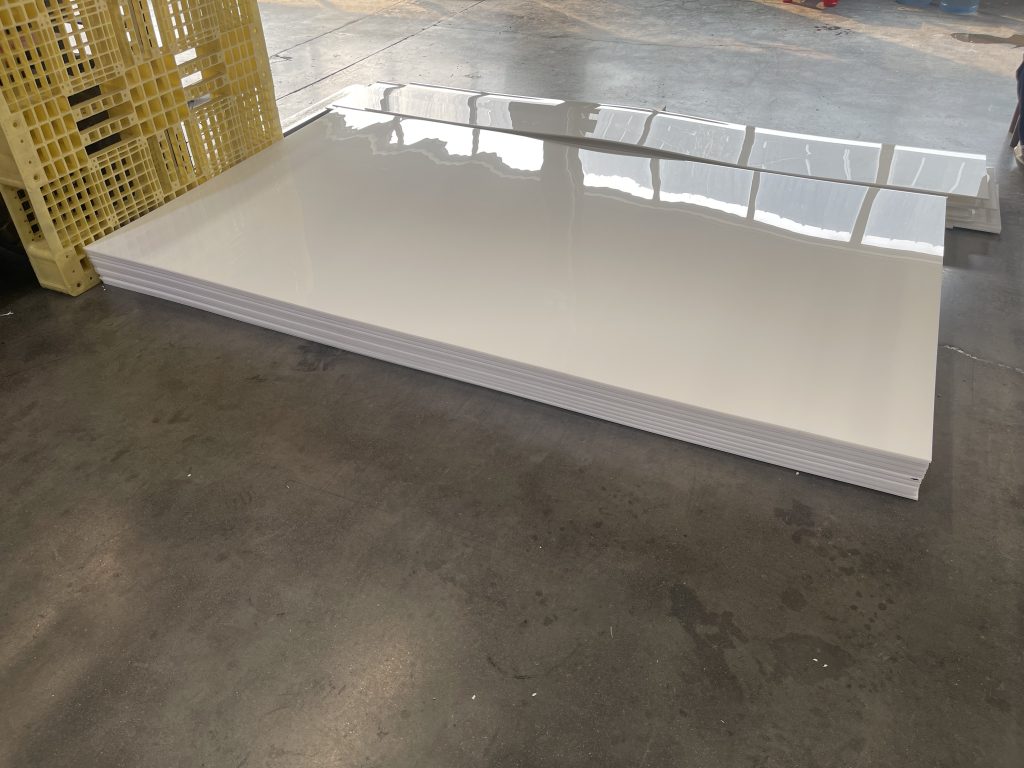
Professional Manufacturer: Zhihong Plastic
Zhihong Plastic is dedicated to delivering top-quality PP sheets that combine durability, versatility, and cost-effectiveness. Our PP sheets offer exceptional chemical resistance, lightweight structure, and high impact strength, making them ideal for industries like packaging, automotive, and construction. Whether it’s for food-grade applications or heavy-duty industrial use, our customizable solutions meet diverse needs while promoting sustainability through recyclability. Choose us for your needs and experience our commitment to quality and customer satisfaction.
Check stock sizes and availability in our 4×8 PP sheet availability and specs overview.
Deep-Dive Technical Notes
Polypropylene Sheet Uses Applications And Benefits
Properties of Polypropylene Sheets
Polypropylene sheets are ideal for harsh environments due to their chemical resistance. In harsh conditions, they resist acids, alkalis, and solvents, keeping the material intact and reliable. This resistance is useful for packaging. It is also important for agriculture. Both require preserving stored materials. Lightweight materials are easier to transport and handle without compromising their ability to withstand harsh industrial applications. Polypropylene sheets are tough even under high stress or impact, making them stand out. The sheets' moisture-proof properties make them appealing in humid environments and prevent warping and degradation. These qualities are crucial for reliable applications like automotive parts and construction panels. They also maintain stability across a wide temperature range, ensuring consistent performance in different climates. This durability and resistance makes polypropylene sheets a versatile choice for many industries, meeting structural and functional needs.
Role of Material Flexibility in Diverse Industrial Uses
Material flexibility makes polypropylene sheets useful in many industrial applications. These sheets are ideal for durable, adaptable applications because they bend and mold without cracking. Their flexibility lets manufacturers shape packaging, automotive components, and protective barriers without compromising structural integrity. This quality is crucial in agriculture and construction, where custom designs solve operational problems. Flexibility lets polypropylene sheets meet diverse needs while performing well under pressure. Polypropylene sheet thickness affects customization and performance. Stronger sheets are better for construction panels, automotive parts, and heavy-duty storage than thinner ones for stationery covers and disposable packaging. In construction, polypropylene sheet thickness increases load-bearing capacity and environmental resistance. Choosing the right thickness ensures the material meets requirements, improving efficiency and longevity.
Packaging Industry
Packaging containers and flexible wraps with polypropylene sheet improves durability and functionality. Moisture resistance resists external damage and lightweight construction simplifies handling and shipping costs. In addition, polypropylene sheets help preserve food and pharmaceuticals' freshness and safety. Their durability makes them a trusted choice for high-performance packaging solutions in multiple industries.
Construction Sector
Polypropylene sheets are crucial for construction projects. They are essential where durability is required. Builders use these sheets for panels, insulation, and impact-resistant cladding due to their strength and adaptability. For walls and roofs, thicker sheets provide more stability. Polypropylene sheets are essential to modern infrastructure development because they work well in large-scale construction and individual design.
Agriculture
Polypropylene sheet for agriculture meets outdoor needs with tough environmental features. Farmers cover greenhouses with these sheets for temperature control and UV protection. Water resistance is key to making durable tool, seed, and produce storage units. These properties improve farm usability, efficiency, and equipment lifespan in harsh conditions.
Automotive Sector
Automotive polypropylene sheet is lightweight and strong. It strengthens dashboards and trims and reduces mass, improving fuel economy. This material resists chemicals and environmental wear, ensuring interior durability. Polypropylene sheets shape automotive manufacturing by meeting functional and economic needs.
Stationery Products
Polypropylene stationery sheet is popular for office and educational supplies due to its aesthetic and functional benefits. This material makes file folders, notebook covers, and writing boards stronger and more attractive. Lightweight and moisture-resistant, it's easy to use. Additionally, the wide range of colors and finishes allows customization to meet personal and professional preferences, making it ideal for organizational and creative needs.
Gift Items and Decorative Packaging
Polypropylene sheet for gift packaging offers unique decorative and practical packaging options. These sheets elevate all presentations, from cosmetic boxes and gift bags to luxury liners. Their strength and flexibility allow creative designs, and moisture resistance keeps packaging intact during storage and transit. They are recyclable and sustainable, making them ideal for eco-conscious consumers. These properties enhance gift packaging functionality and innovation.
PP Sheet Uses In Multiple Industries
Packaging Industry
PP sheets are widely used in packaging for durability and sustainability. These sheets are used in reusable packaging. Additionally, they are necessary to the creation of thermoformed trays. Protective packaging uses PP sheets to protect products during shipping. PP sheet food-grade containers are perfect for the food and beverage industry since they are hygienic and safe. PP sheet corrugated packaging is lightweight and durable for transport and storage. The adaptability of PP sheets allows them to meet various packaging needs. They may handle sensitive or dangerous products because to their chemical resistance and endurance. They improve product safety and reduce waste by being reusable. Since PP sheets are functional and cost-effective, their applications benefit businesses across industries. PP sheets are a strategic choice for optimizing packaging operations. The packaging industry is increasingly using PP sheets due to their versatility and reliability.
The Construction Industry
PP sheets are versatile and efficient in construction. These sheets help concrete formwork by providing a smooth, resilient surface for precise shaping and reduced material waste. They also waterproof structures. PP sheets also protect walls and floors from scratches, impacts, and chemicals during construction. By controlling temperature and minimizing heat transfer, its usage in roofing and insulation saves energy. PP sheet temporary barriers are lightweight and durable for site safety and segregation. Durability, lightweight, and chemical and weather resistance make PP sheets ideal for construction. These qualities make them cost-effective for short- and long-term projects. The ease of handling and installation minimizes labor expenses and project timelines. Construction teams can improve efficiency and sustainability by using PP sheets. Variable applications and consistent performance under challenging conditions make them necessary in modern building.
Agriculture
Agriculture uses PP sheets to boost productivity and sustainability. PP sheet greenhouse panels provide ideal light transmission and thermal insulation for plant growth. Seedling trays made from these sheets are durable and reusable. PP sheets are chemically resistant, so irrigation systems last longer even with fertilizers and water. The PP sheet compost bins are perfect for organic waste treatment since they resist moisture and decomposition. PP sheet crop protection covers protect plants from pests and harsh weather. They are lightweight, resilient, and weatherproof. These traits make them appropriate for small- and large-scale cultivation. PP sheets can help farmers save money and increase efficiency. Additionally, its environmental stress resistance enables consistent performance in many applications. They help sustainable farming and reduce waste by being reusable. These benefits highlight the expanding use of PP sheets in agriculture.
Automotive Industry
PP sheet uses in car manufacturing demonstrate its versatility and efficiency. PP sheet car interior panels are lightweight and robust. These sheets also make safe and durable battery casings due to their chemical resistance and structural stability. PP sheets are used in underbody protection because they can withstand moisture and debris. Lightweight PP sheet car components enhance fuel economy by reducing vehicle weight. They are durable and easy to maintain. PP sheets are versatile in automotive applications due to their impact resistance, thermal stability, and affordability. PP sheets are a smart choice for producers who want to maximize production and meet industry standards. Additionally, its recyclability meets automobile industry requirements for sustainable materials. PP sheets improve automotive component performance and longevity and encourage lightweight, eco-friendly vehicle design. These benefits demonstrate the importance of PP sheets in modern car manufacturing.
Applications for Medical and Healthcare
Medical and healthcare use PP sheets to provide safety, hygiene, and efficiency. PP sterilization trays are heat-resistant and sturdy. These sheets also provide chemical resistance and structural integrity for medical device housings. PP sheets are lightweight and hygienic. PP sheets' durability and non-reactivity ensure lab equipment's reliable performance in difficult settings. They are used in hospital bed panels and storage cabinets for durability and easy cleaning. PP sheets fulfill strict industry standards. Healthcare providers can improve efficiency and hygiene by incorporating PP sheets into their equipment and packaging. They work well in sterile situations due to their moisture and chemical resistance. PP sheets reduce contamination and support medical tools and furniture. These benefits demonstrate the importance of PP sheets in modern medicine and healthcare.
Industrial PP Sheet Benefits
Industrial applications of PP sheets demonstrate their versatility and efficiency. Lightweight sheets are easy to handle and carry. Chemical resistance makes them appropriate for harsh chemical applications, while durability provides long-term performance in challenging settings. PP sheets are affordable and high-performing. These qualities make PP sheets perfect for packaging, construction, agriculture, automotive, and medical applications that require reliability and usefulness. Comparing PP sheet uses to other plastics highlights their benefits. PP sheets don't deteriorate under chemical exposure or harsh temperatures like some polymers. Adopting PP sheets is important for sectors that want to optimize operations and cut costs. Their recyclability encourages sustainable practices and meets the growing need for eco-friendly materials. PP sheets beat many alternatives in durability and adaptability and are used in protective packaging and automobile components. These properties demonstrate PP sheets' importance in modern industry. Zhihong Plastic specializes in high-quality PP sheets for various industries. Strong, lightweight, and versatile, our PP sheets are ideal for packaging, construction, agriculture, automotive, and medical applications. We offer many specifications to meet your needs. Zhihong Plastic offers reliable products, competitive pricing, and excellent customer service. Use our premium PP sheets to optimize your operations. Talk to us today about how our solutions can help your business.
About Polypropylene Sheet Material: How Much Do You Know
Polypropylene sheet material?
It is a lightweight, resilient thermoplastic prized for its versatility and affordability. Its strong chemical resistance, minimal moisture absorption, and high strength-to-weight ratio make it perfect for harsh settings. Its stiffness and impact resistance make it reliable in various contexts. These unique polypropylene sheet properties ensure stability and integrity in long-term applications under different temperatures.
Polypropylene Sheet Material Types
Several polypropylene sheet types meet industry needs. In polypropylene sheet applications like automobile components and reusable containers, homopolymer sheets are rigid and copolymer sheets are flexible. Specialized coatings or additives increase UV resistance or fire retardancy. These are designed for certain purposes and encourage eco-friendly alternatives by following sustainable methods. Mechanical features and business needs help companies choose the right kind for best performance across applications.
Construction Polypropylene Sheet
Polypropylene sheet material is necessary to green building due to its durability, affordability, and eco-friendliness. It is used to make lightweight, durable panels. These sheets resist chemicals and moisture. These solutions cut waste and use resources efficiently.
Manufacturing and Packaging
As companies look for sustainable alternatives, demand for polypropylene plastic sheets in manufacturing continues to climb. Packaging that requires durability and recyclability needs these sheets. Polypropylene sheet providers create bespoke solutions that reduce waste and boost performance. These sheets help food, consumer products, and technology companies reduce their environmental impact without sacrificing quality. This shows how polypropylene sheet material improves sustainable manufacturing operations.
Custom Industrial Uses
It has several applications. It's used in cars, hospitals, and storage systems. Industries increasingly use its impact resistance and lightweight structure. It shows how polypropylene sheet material fits environmental and practical needs in modern sectors beyond construction and packaging.
Working with Reliable Suppliers
Quality and consistency are guaranteed when buying polypropylene sheet material from trustworthy suppliers. For building and specialized production, top polypropylene sheet suppliers offer reliable alternatives. Work with professional vendors to get the entire spectrum of polypropylene sheet thicknesses and comply with safety and environmental laws. This alliance improves manufacturing efficiency and creates a reliable supply chain for project deadlines and product quality. To produce high-quality polypropylene sheets, manufacturers use efficient techniques. They melt polypropylene resin and extrude it into flat, uniform sheets using modern extrusion processes. For various applications, they chill, trim, and precisely cut the sheets. Customizing thickness and dimensions further enhances the material's versatility. Sustainable polypropylene sheet manufacturing recycles leftovers back into production. At Zhihong Plastic , we are committed to delivering top-quality polypropylene sheet material that aligns with both industry demands and sustainability goals. Our sheets are lightweight, durable, and versatile, making them ideal for construction, manufacturing, and packaging. We ensure high-performance materials that meet your specific needs. Customers trust us for our consistent quality, eco-friendly practices, and competitive pricing. Partner with Zhihong Plastic to discover how our polypropylene products can elevate your projects with confidence and excellence.
HDPE vs Polypropylene: Temperature, Chemical Resistance & Tank Selection
Thermal Thresholds: Heat Tolerance vs. Sub-Zero Brittleness
Temperature is the first filter in material selection. Polypropylene melts around 165°C and handles continuous service up to 100°C, with brief spikes to 110°C. That makes it ideal for hot water rinses and heated acid baths. HDPE melts near 130°C. Its practical working ceiling is only 75-80°C. Beyond that, it softens and loses structural rigidity quickly. Cold performance flips the advantage. Homopolymer PP has a glass transition temperature near 0°C. Below freezing, its molecular chains stiffen and the material becomes brittle. A sharp impact at that point can shatter it. HDPE's glass transition sits at -110°C. It stays tough and impact-resistant even at -50°C. For outdoor tanks in cold climates, durable hdpe plastic sheets are the safer bet.
Mechanical Rigidity: Flexural Strength and Creep Resistance
Rigidity matters most in large, freestanding tanks and ducts. PP's flexural modulus runs 1,400-1,600 MPa, well above HDPE's 1,000-1,200 MPa. At equal thickness, a PP tank wall bulges roughly 30% less than an HDPE wall under the same hydrostatic pressure. PP also creeps less under sustained load. Tanks holding heavy chemical solutions for months at a time keep their shape better in polypropylene than in HDPE. This stiffness advantage shows up across many industrial plastic sheet applications , from ventilation ductwork to acid-resistant partitions in processing plants.
Chemical Resistance and Stress Cracking
Both materials resist common acids, bases, and salts equally well at room temperature. The differences appear at the extremes. Strong oxidizers – concentrated nitric acid, chromic acid, high-strength sodium hypochlorite – attack PP's tertiary carbon structure slightly faster than HDPE. Over long exposure, this can accelerate oxidative aging in PP. Aromatic hydrocarbons and chlorinated solvents, on the other hand, cause less swelling in PP than in HDPE. Environmental stress cracking (ESCR) is where HDPE shows its weakness. Under mechanical stress combined with surfactants like detergents or emulsified oils, standard HDPE can develop cracks at its crystal boundaries. PP is essentially immune to this failure mode.
Fabrication, Density, and Cost Calculations
Both sheets fabricate using hot-air and extrusion welding under DVS 2205 standards, the accepted benchmark for thermoplastic tank construction. One rule is non-negotiable: never mix the two materials in a single weld. PP rod cannot fuse to HDPE sheet, and the joint will fail as a cold, brittle seam. Density also affects material planning. PP weighs in at just 0.91 g/cm³, the lightest of common industrial thermoplastics. HDPE is denser at roughly 0.955 g/cm³. For the same sheet volume, PP delivers about 5% more surface area per ton purchased. When converting imperial tank drawings or checking metric sheet thickness, this tool helps:
Application Decision Matrix
Use this quick reference when specifying material for a new build: Choose PP for: plating and pickling tanks running 60-90°C, indoor acid exhaust ductwork, heat-resistant lab benches, and electrical insulation housings. This is exactly why PP dominates industrial electroplating dip tanks across surface-finishing lines. Choose HDPE for: underground drainage chambers, outdoor freeze-resistant water tanks in northern climates, wear liners for bulk material chutes, and die-cutting boards.
For a complete head-to-head across temperature, toughness, chemical resistance, and cost, see our Polypropylene vs High-Density Polyethylene comparison.
While PP covers general use, a polyphthalamide PPA sheet targets applications that outgrow polypropylene’s heat ceiling.
Polypropylene can also be compounded with anti-static additives — see our guide to anti-static sheet grades for the full resistivity classification.
Because PP is non-porous and BPA-free, it is the base material behind many food-grade cutting boards used across commercial food service.
Thick polypropylene plates extend the same chemistry into rigid, weldable structural form.
FAQ
1. Can I weld a polypropylene rod onto an HDPE sheet to repair a tank? No. The two materials have different crystal structures, melt points (130°C vs. 165°C), and compatibility parameters. A mixed weld only bonds mechanically, not molecularly, and will peel apart under water pressure or thermal stress. 2. Why did my PP acid tank crack in an unheated winter workshop? Standard homopolymer PP becomes brittle below 0°C. If a tank sits in an unheated space through winter, switch to impact-modified copolymer PP or HDPE, which stays tough down to -50°C. 3. Which material needs less steel reinforcement: HDPE or PP? PP. Its flexural modulus is roughly 35% higher than HDPE's, so PP tank walls deflect less under the same load, reducing the need for external reinforcement rings. 4. How do thermal expansion rates compare for outdoor pipelines? HDPE expands slightly more than PP (about 1.5×10⁻⁴ K⁻¹ versus 1.2×10⁻⁴ K⁻¹). Long outdoor HDPE runs need expansion loops or bellows to absorb seasonal movement. 5. Is PP sheet more expensive than HDPE at the same thickness? Resin costs are close, with PP running 3-8% higher per kilogram. But since PP is about 5% lighter by volume, finished sheet pricing at equal thickness ends up nearly identical – and shipping weight is lower. Choosing the right sheet comes down to matching working temperature, ambient conditions, and mechanical load to the material's strengths. Send your tank specifications to our engineering team for a DVS-compliant material recommendation and factory-direct container pricing.
Colored Polypropylene Sheet Designs For Creative Ideas
Explore Design Ideas
Using a colored polypropylene sheet allows up many creative design options. These sheets add vibrant colors and durability to bespoke home décor, signage, and crafts. Colored polymer sheet creates vivid wall decorations, while colored pp sheet creates detailed stencil cutouts and lightweight models. Dual Color HDPE Sheets enhance logos and presentations with reversible color contrasts. Colored plastic sheeting is flexible and allows designers to precisely cut forms.
Industry Applications
Due to their strength and versatility, colored polypropylene sheets are widely used in industry. In packaging, colored pp plastic sheets protect items and allow for custom branding. Manufacturers of lightweight, durable automotive components use colored pp sheets and polypropylene plastic sheets. Due to its rigidity and bright printability, industries that need signage or labeling prefer colored plastic boards. The range of materials, ensures industrial-specific solutions in various applications.
What Are Colored Polypropylene Sheets Used For?
Versatile colored polypropylene sheets have many uses. It's necessary for generating vivid decorations, unique stencils, and lasting signage. Industrial uses include lightweight packaging, automotive parts, and displays. A colored plastic sheet can be used for household projects or storage. This substance is practical and creative, whether artistic or functional.
Colored Polypropylene Sheets: How Durable?
Another strength of colored polypropylene sheets is durability. These sheets resist impacts, moisture, and environmental influences. Industrial-grade colored pp sheets and polypropylene plastic sheets resist breaking and degradation. Even outdoors, their UV resistance extends their lifespan.
Colored Polypropylene Sheets Come in What Sizes?
Colored polypropylene sheets exist in various sizes for different needs. Custom sizes are available for unique projects, while standard measurements are commonly available for conventional uses. Colored plastic sheeting and colored polymer board are available in DIY and industrial thicknesses. Dual Color HDPE Sheets offer more flexibility with their standard and customized arrangements.
What are the Benefits of Colored Polypropylene Sheets?
A colored polypropylene sheet is affordable, versatile, and eco-friendly. Its brilliant colors and light weight make customization easy for creative ideas. Industrial users prefer its cost-effectiveness and durability, especially with colored pp sheet and colored polymer board. These sheets are recyclable and reusable.
A Deep Look at Their Unique Qualities
A colored polypropylene sheet is perfect for both creative and industrial applications because of its exceptional impact resistance. Its lightweight construction makes it easy to manufacture complicated parts or mass-produce industrial components. These sheets also resist moisture. Compared to other materials, a colored plastic board is durable and lightweight. Eco-friendliness is another benefit of polypropylene colored sheets. Their unique qualities make them popular with designers and manufacturers for many projects.
Colored Polypropylene Sheets vs. Other Plastics
Comparing colored polypropylene sheets to similar solutions shows their affordability and adaptability. Dual Color HDPE Sheets with dual-tone graphics are good for branding but not as lightweight as polypropylene. Colored polymer sheets are durable yet less recyclable than polypropylene plastic sheets. A colored pp sheet outperforms heavier plastic equivalents in design flexibility and structural stability. Colored plastic sheeting and boards continue to be the best option across a broad range of demands due to their price and creative adjustability.
Polypropylene Plastic Sheet Maintenance And Care Tips
Polypropylene Plastic Sheet Uses and Benefits
It is flexible in healthcare. Healthcare facilities employ it in medical trays, sterilization containers, and laboratory equipment due to its flexibility and durability. Lightweight material is used for food cartons and protective films due to its low shipping costs. Construction industries use its strength and moisture resistance for tank linings and waterproof barriers. Customized rolls from vendors ensure efficiency and cost savings for these diverse applications. The chemical resistance, variable thickness, and affordability of are its advantages. It is useful for industrial procedures that require frequent contact with solvents or acids due to its chemical resistance. Competitive prices offer quality at a low cost. The versatility of polypropylene plastic sheet makes it easy to use in a variety of tasks. This combination of low cost, material strength, and flexibility has allowed polypropylene sheet manufacturers to serve many sectors.
Key Maintenance Factors
Durability and performance in many applications depend on polypropylene sheet thickness. Thin sheets are good for packing, where flexibility is important, whereas thicker sheets are stronger for building and chemical container making. Choosing the proper thickness for your project prevents damage and reduces replacements. Contacting suppliers can help you choose the right thickness for your polypropylene plastic sheet applications. Balanced performance and pricing guarantees that thicker or thinner sheets fit your budget. To maintain it integrity. Avoid dragging sheets across abrasive surfaces to avoid scratches or weak places. Rollers like polypropylene sheet rolls reduce transport and installation dangers. Cleaning with mild soapy water and a soft cloth preserves the surface's characteristics. Avoid harsh chemicals to maintain the sheet's durability. Following these important recommendations from polypropylene sheet manufacturers can increase the sheet's longevity while maintaining its performance for a variety of polypropylene plastic sheet applications.
Answering Common Questions
Propylene gas is polymerized with catalysts to make sheets. Melting and extruding polypropylene pellets yields flat sheets of various thicknesses. The sheets are chilled and cut to standard sizes or made into rolls for big batches. Following industrial standards, reputable manufacturers satisfy different polypropylene plastic sheet applications with consistent quality. Precision control optimizes the sheet's thermal resistance, elasticity, and chemical stability. Properties distinguish polypropylene plastic sheet from similar materials. Its light weight and flexibility make it easier to handle than acrylic or PVC sheets. It also resists chemicals and high temperatures. Polypropylene is cheaper and chemically resistant than PVC. It price is competitive and durable, especially with the right thickness. Both polypropylene plastic sheet uses and thickness possibilities add to its versatility. These sheets are unsurpassed in versatility, whether compared or purchased from trusted polypropylene sheet suppliers. At Zhihong Plastics, we deliver high-quality polypropylene plastic sheets designed for durability and versatile use across industries. Our materials withstand chemicals, resist moisture, and adapt to diverse applications, from industrial projects to healthcare and construction. With a range of thickness options and customization capabilities, we ensure our sheets meet your specific needs. We focus on quality and performance, helping you achieve reliable and cost-effective solutions. Trust Zhihong Plastics for dependable materials that support your projects and ensure lasting results.
If you are comparing polypropylene with its close cousin polyethylene, our PP vs PE guide breaks down density, heat resistance and cost.



